
Plants
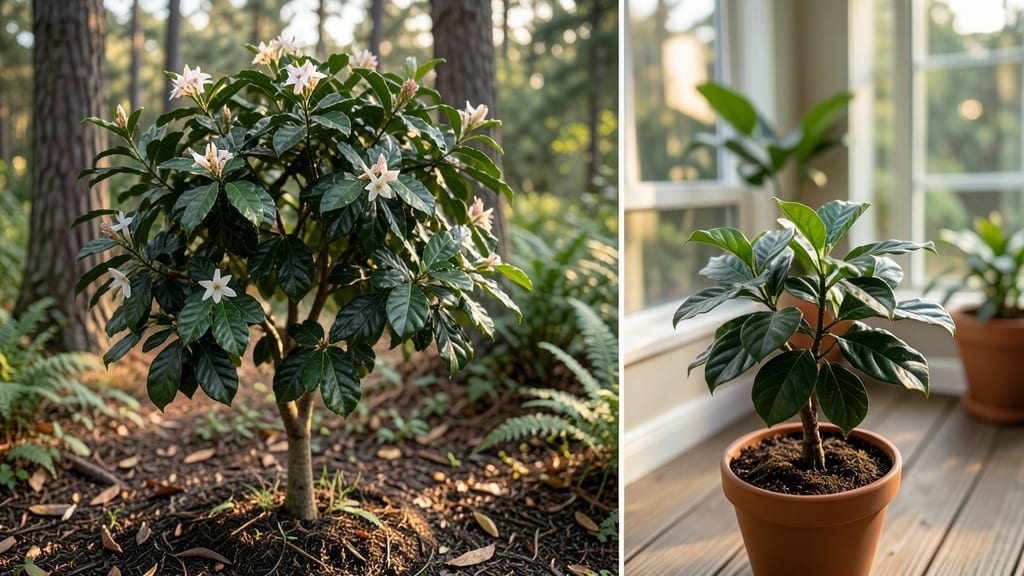
Ever wondered just how tall does a coffee plant grow before it towers over your backyard? ☕ If you’re imagining a compact houseplant, think again—coffee plants are serious vertical players, reaching heights that’ll make your garden gate feel like a dollhouse entrance.
Most coffee varieties, like the beloved Coffea arabica, can stretch between 20 and 50 feet when left unchecked—taller than a three-story building! But here’s the twist: their growth depends on where you live, how you prune them, and whether they’re basking in full sun or lounging under shade.
In tropical zones like 10-12, they thrive year-round, while cooler climates might stunt their ambitions.
If you’re dreaming of homegrown coffee but lack a jungle-sized yard, don’t sweat it. With the right pruning techniques and container gardening hacks, you can keep your coffee plant at a more manageable 6 to 10 feet—perfect for patios or sunny balconies.
The key? Understanding your variety’s natural growth habits and when to wield those shears.
Ready to dive into the details? I’ll break down the height differences between Arabica, Robusta, and Liberica varieties, plus how to control their towering ambitions—whether you’re a backyard gardener or a commercial grower with big dreams (and bigger plants).

Coffee plant height by variety: Arabica vs Robusta vs Liberica
When planning your coffee garden, understanding the height differences between varieties is essential. The three main coffee types—Arabica, Robusta, and Liberica—grow at dramatically different rates, making variety selection your first critical decision.
Arabica, the most popular type, typically reaches 10–15 feet in ideal conditions but can grow up to 20 feet in tropical climates. Robusta, known for its hardiness, often grows 20–30 feet, while Liberica, the rarest, can tower over 40 feet in the wild.
Your growing environment plays a huge role in height. In shade-grown conditions, coffee plants stay shorter and bushier, while full-sun exposure encourages rapid vertical growth. For home gardens, pruning practices can also reduce height by up to 50%, making these tropical giants more manageable.
Whether you're dreaming of a backyard coffee grove or a commercial plantation, knowing these height ranges helps you plan spacing and support structures.
| Variety | Mature Height Range | Growth Habit | Ideal Climate |
|---|---|---|---|
| Arabica (Coffea arabica) | 10–20 ft | Slender tree with horizontal branches | Tropical highlands (500–2,000 masl) |
| Robusta (Coffea canephora) | 20–30 ft | Tall, dense shrub with thick stems | Lowland tropics (0–800 masl) |
| Liberica (Coffea liberica) | 30–50 ft | Massive, irregularly shaped tree | Warm, humid lowlands |
If you're growing coffee in containers, height becomes even more manageable. Dwarf varieties like Coffea arabica 'Nana' stay under 6 feet, making them perfect for patios or balconies. However, these dwarf types produce far fewer cherries than their full-sized counterparts.
For serious home growers, Arabica varieties like Bourbon or Typica offer the best balance of height control and coffee quality when pruned regularly.
One common misconception is that all coffee plants grow into towering trees. In reality, pruning and training can drastically alter their form. Many commercial growers prune Arabica plants to 8–10 feet to simplify harvesting.
Without pruning, even Arabica can reach 15–20 feet within 5–7 years. For Robusta, which grows faster, unchecked height can exceed 30 feet in just 4–5 years, requiring sturdy support or regular thinning.
For those in USDA Zones 10–12, where coffee thrives year-round, height management becomes a year-round task. During the wet season, growth accelerates, so pruning every 2–3 months helps maintain desired dimensions.
In drier months, growth slows, giving you a window to perform more aggressive pruning without stressing the plant. Always use sterilized pruners to prevent disease spread, especially when cutting back dense foliage.
Liberica’s exceptional height makes it impractical for most home gardens, but its unique flavor profile—often described as woody and smoky—makes it a favorite among specialty coffee enthusiasts. If you're determined to grow Liberica, consider planting it in a large container with a strong trellis system to guide its growth.
Even then, expect to manage a plant that will eventually need overhead support or regular topping to prevent it from becoming unruly.
When selecting a variety for your space, also consider harvesting logistics. Tall coffee plants require ladder access or mechanical harvesters, which are impractical for home gardens.
Shorter varieties like Pacamara or Geisha (both Arabica types) stay under 12 feet when properly pruned, making them ideal for small-scale growers who want to hand-pick cherries without climbing.
For maximum yield, space your coffee plants according to their mature height. Arabica needs 6–10 feet between plants, while Robusta can handle 10–15 feet of spacing. Liberica, with its massive size, requires at least 20 feet between specimens to prevent overcrowding.
Poor spacing leads to increased disease risk and reduced fruit production due to competition for sunlight and nutrients.
If you're just starting, I recommend beginning with Arabica varieties like Bourbon or Typica. These grow at a manageable pace, produce high-quality beans, and respond well to pruning.
With the right care, you can enjoy harvestable cherries in 3–4 years while keeping your plants at a comfortable height for easy maintenance. For those with more experience, experimenting with Robusta or even Liberica can add excitement to your garden—and your morning cup of joe!
How coffee plant growth stages affect height over time
Understanding how coffee plants grow over time is key to managing their height. From a tiny seedling to a towering tree, their growth stages directly impact how tall they’ll become.
In their first year, coffee plants focus on building roots and stems, reaching 6 to 10 feet—already taller than most backyard shrubs. Without intervention, they’ll keep climbing, adding 10 to 15 feet per year until they reach their mature height of 20 to 50 feet.
During the second year, your coffee plant will enter its rapid growth phase, with new branches forming and the trunk thickening. This is when you’ll notice a dramatic increase in height, especially if you’re growing Coffea canephora (Robusta), which tends to grow faster than Arabica.
By year three, the plant will start producing coffee cherries, and its height will stabilize closer to its mature range. Pruning during this stage can help control its size and improve fruit yield.
Here’s how the growth stages break down and how they influence height:
If you’re growing coffee plants in containers, their height will naturally be more controlled, but they’ll still reach 6 to 10 feet if left unpruned. The key to managing height is consistent pruning, especially during the juvenile stage.
By removing the top growth, you encourage lateral branching, which keeps the plant bushier and more manageable. This technique is especially useful for home gardeners who want to grow coffee without sacrificing their backyard space.
For commercial growers, allowing coffee plants to reach their full height is often ideal, as taller plants produce more cherries. However, even in large-scale operations, pruning is used to shape the plant and improve accessibility for harvesting.
Whether you’re growing coffee for fun or profit, understanding these growth stages will help you control the height and maximize your yield.
One final tip: If you’re growing coffee in cooler climates outside of USDA zones 10-12, expect slower growth and shorter heights. Coffee plants are tropical and thrive in warm, humid conditions, so their height potential will be limited if you’re pushing the boundaries of their ideal growing range. ☕