
Plants
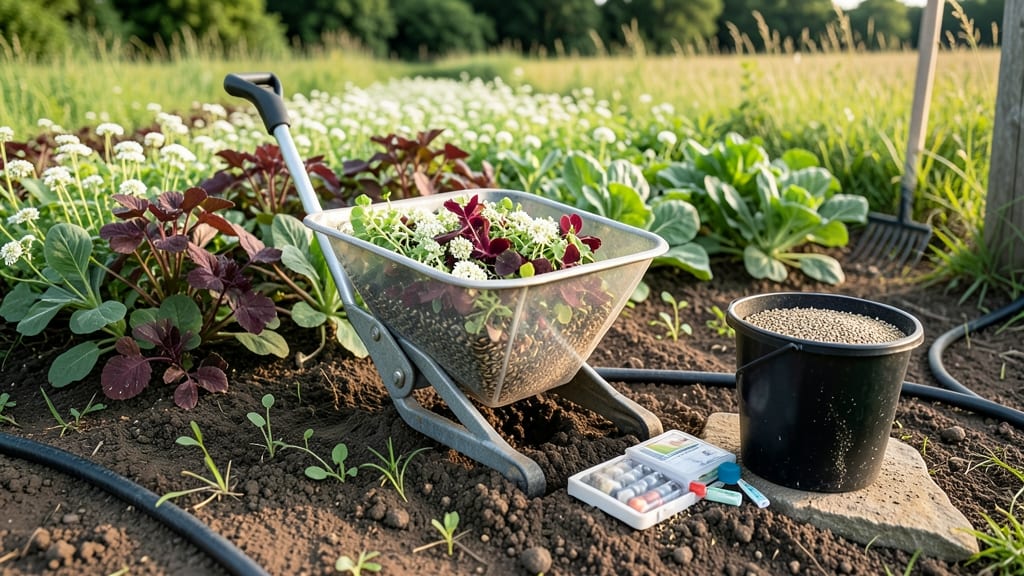
When to plant food plots in GA isn’t just about throwing seeds in the ground—it's the difference between a fast-growing deer magnet and a patch of disappointment. Georgia's 7a-8b climate zones demand precision, with soil temperatures dictating when to plant for maximum biomass and whitetail attraction.
Most hunters make the mistake of planting too early or too late, missing the ideal window when soil hits 60°F—the sweet spot for germination. Whether you're planting brassicas in spring or warm-season mixes in summer, the timing affects everything from growth speed to deer traffic.
Let me show you the exact months and soil prep tricks that work in Georgia.
From late winter's first frost-free days to summer's heat, we'll break down the best planting schedules for your region. You'll learn which crops thrive in Georgia's spring and fall windows and how to avoid common pitfalls that waste your time and money.
Ready to turn your food plots into a year-round hunting hotspot?
I'll also share Georgia-specific resources like UGA Extension tips to help you plant with confidence. Whether you're a beginner or a seasoned hunter, these strategies will give you the edge you need for fast, lush growth that deer can't resist.
Georgia food plot planting calendar by soil temperature zones
Georgia's diverse climate—from the cool mountain regions to the humid coastal plains—means your food plot planting window can vary by 100+ days. The key factor isn't just the calendar month but soil temperature, which triggers germination.
For most food plot seeds, aim for 50°F-60°F soil temps for cool-season crops and 65°F+ for warm-season mixes. Here’s how to time it perfectly for your Georgia zone.
Northern Georgia (USDA Zones 7a-7b, e.g., Blue Ridge Mountains) experiences the earliest frost risks, while Southern Georgia (Zones 8a-8b, e.g., Savannah) can plant later. Coastal areas like Tybee Island often have 20-30 extra frost-free days compared to the Piedmont.
Use these guidelines to align your planting with Georgia’s microclimates and deer hunting seasons.
🌱
| Region | Last Frost Date | Ideal Planting Window | Soil Temp Threshold | Best Crops |
|---|---|---|---|---|
| North GA (Mountains) | Mid-March | Feb 15–Mar 15 (cool-season) / Jun 1–Jul 15 (warm-season) | 50°F–60°F (cool) / 65°F+ (warm) | Clover, Rye, Brassicas |
| Central GA (Piedmont) | Late March | Mar 1–Apr 1 (cool) / May 15–Jun 30 (warm) | 50°F–60°F (cool) / 65°F+ (warm) | Turnips, Wheat, Sunflowers |
| South GA (Coastal) | Early April | Mar 15–Apr 15 (cool) / Jun 1–Jul 1 (warm) | 55°F–60°F (cool) / 70°F+ (warm) | Sorghum, Millet, Peanuts |
For cool-season food plots, plant 4-6 weeks before your first hard frost (typically mid-October for most of Georgia) to ensure a full growing season. In North Georgia, this often means late August plantings, while South Georgia can wait until early September.
Warm-season plots should be sown after Memorial Day to avoid frost damage.
Use a soil thermometer ($15–$25) to confirm temps before planting. Bury it 2 inches deep in moist soil and check readings at 10 AM for accuracy. Pro tip: Morning soil temps are often 5–10°F cooler than afternoon readings—plant when daytime highs hit your threshold.
🌡️
Georgia’s fall hunting season (October–January) makes late-summer plantings critical. For example, clover mixes sown in early August in North Georgia will be lush by October, while brassicas planted in September provide winter forage.
Adjust for elevation: Higher areas (e.g., Dahlonega) may need 2 weeks earlier than lower elevations (e.g., Macon).
Don’t overlook summer food plots for late-season deer. Plant warm-season mixes like sorghum-sudangrass in June to attract bucks during rut season (September–October). These crops thrive in Georgia’s 90°F+ temps and provide high-protein forage when other plots fade.
🌿
For emergency plantings, use fast-germinating seeds like turnips (5–7 days) or radishes (3–5 days). If frost threatens, cover seedlings with frost cloth or straw mulch to extend the growing season. Always check the UGA Extension’s frost forecast for real-time updates tailored to your county.
📅
Best food plot crops for Georgia's planting windows and deer season
Georgia's 7a-8b climate offers two prime windows for planting food plots: spring (March-April) and summer (June-July). Each season favors different crops that deer crave, from fast-growing brassicas to protein-rich clovers. Choosing the right mix for your planting window determines how quickly your plot becomes a hunting hotspot.
For spring plantings, focus on cool-season crops like turnips and radishes that thrive when soil temps are between 50°F-60°F. These plants shoot up in 30-45 days, perfect for early-season deer pressure.
Meanwhile, summer plantings should prioritize warm-season mixes like soybeans and sorghum, which handle Georgia's heat and attract bucks during the rut.
Here’s how to match crops to Georgia’s planting windows for maximum deer traffic:
| Crop | Planting Window | Days to Maturity | Deer Attraction | Best For |
|---|---|---|---|---|
| Turnips | March-April | 30-45 days | ⭐⭐⭐⭐⭐ | Early whitetails |
| Clover Mix | March or August | 60-90 days | ⭐⭐⭐⭐ | Year-round forage |
| Soybeans | June-July | 90-120 days | ⭐⭐⭐⭐⭐ | Rut season |
| Radishes | March-April | 25-35 days | ⭐⭐⭐⭐ | Fast deer traffic |
| Sorghum | June-July | 75-100 days | ⭐⭐⭐⭐ | Late-season bucks |
My top recommendation for Georgia hunters? Plant a spring mix of turnips and radishes for early-season action, then follow up with a summer soybean plot to keep deer coming during the rut. This two-phase approach ensures year-round forage and maximizes your chances of filling the freezer.
Don’t forget to rotate crops annually to prevent soil depletion and pest buildup. For example, plant clover one year and brassicas the next. This keeps your food plots productive and irresistible to deer.
Pro tip: Use UGA Extension’s soil test kit before planting to adjust pH for your chosen crops. Most food plots thrive in slightly acidic soil (pH 6.0-6.5), but brassicas prefer a range of 6.5-7.0 for optimal growth.