
Plants
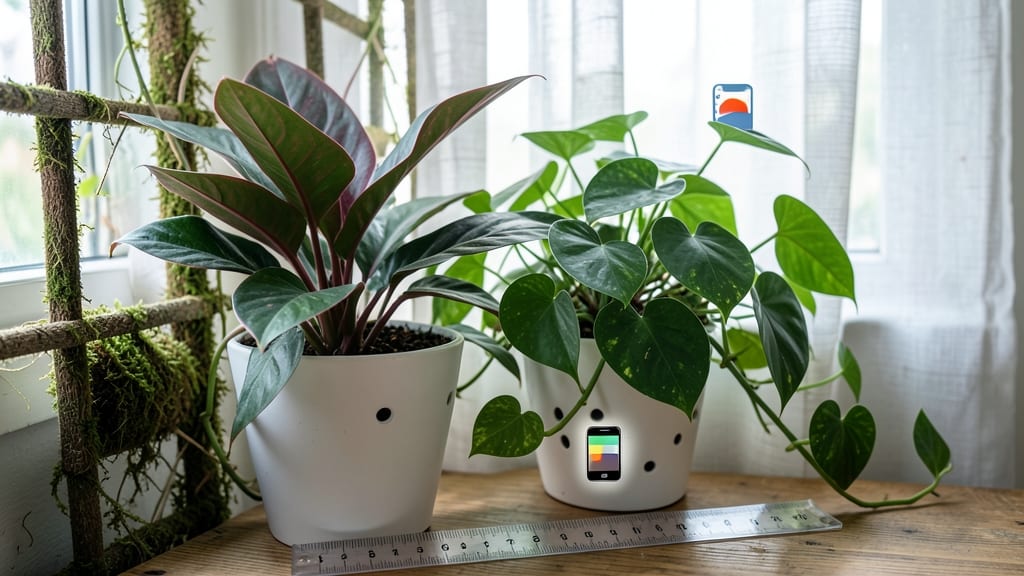
If you're wondering how much light does a philodendron plant need to thrive, the answer might be simpler than you think—it’s all about finding the right balance. Too little, and those lush leaves turn dull; too much, and you’ll see crispy edges.
Finding the perfect balance is the key to keeping your plant happy and growing strong.
Philodendrons are famously adaptable, but they still need bright indirect light to flourish. Whether you're dealing with a trailing heartleaf or a bold split-leaf variety, understanding their light preferences can make all the difference. Let’s break down exactly how much light your philodendron needs to stay vibrant and healthy.
You don’t need a sunroom to grow a thriving philodendron—just the right spot in your home. From east-facing windows to artificial grow lights, I’ll show you how to create the ideal conditions. No more guessing whether your plant is getting too much or too little light.
Ready to transform your philodendron care routine? By the end of this guide, you’ll know exactly where to place it, how to spot light-related issues, and how to fix them fast. Let’s get your plant back to its best!


Philodendron light requirements: ideal brightness levels for different varieties
Philodendrons are famously adaptable, but their light needs vary slightly between varieties. Most thrive in bright indirect light, but some can handle lower light better than others. Understanding these differences helps prevent yellow leaves or brown tips—common signs of light stress.
Heartleaf philodendrons, the most common type, tolerate low to medium indirect light, making them perfect for offices or bathrooms. Meanwhile, varieties like Philodendron Brasil or Xanadu prefer slightly brighter conditions but still avoid harsh direct sun. Let’s break down their specific needs.
🌿 Philodendron Light Requirements Summary
| Variety | Ideal Light | Signs of Too Much Light | Signs of Too Little Light |
|---|---|---|---|
| Heartleaf Philodendron | Low to medium indirect light | Brown crispy edges | Leggy growth, pale leaves |
| Philodendron Brasil | Medium indirect light | Bleached or yellow patches | Slow growth, dark green leaves |
| Philodendron Xanadu | Bright indirect light | Scorched leaf tips | Stunted growth, small leaves |
| Philodendron Gloriosum | Medium to bright indirect light | Dull, faded leaves | Reduced variegation |
Even the most low-light-tolerant philodendrons need at least 2-4 hours of indirect light daily. Without enough light, they’ll stretch toward the nearest window—a sign called etiolation.
This weakens stems and makes leaves sparse. On the flip side, direct sunlight can cause leaf burn, turning edges brown or crispy.
For variegated varieties like Philodendron Brasil, brighter light enhances their color patterns. Place them near an east-facing window where morning sun is gentle. Avoid south-facing windows, where afternoon sun intensifies and risks overlighting. If your home lacks natural light, supplement with a grow light for 6-8 hours daily.
Outdoor philodendrons grow as vines in USDA Zone 10-12, where they thrive under dappled shade from trees. In cooler climates, treat them as houseplants. Rotate your plant occasionally so all sides receive even light, preventing lopsided growth. This is especially important for trailing varieties like Philodendron Micans.
Watch for new leaf color as a clue: vibrant green means ideal light, while dull or yellow hues signal a problem. Adjust placement gradually—sudden changes stress plants.
If your philodendron’s leaves develop purple undersides, it’s begging for more light. Conversely, if leaves darken and grow small, it’s getting too much shade.
Pro tip: Mist leaves occasionally to mimic humidity in their natural tropical habitat. This helps them recover faster from light-related stress. Pair proper lighting with well-draining soil and moderate watering (let the top inch dry between waterings) to keep your philodendron thriving year-round.
Remember, philodendrons are forgiving—they’ll survive in less-than-perfect light, but they’ll thrive with the right balance. Experiment with placement and observe how your plant responds. With time, you’ll find its sweet spot between brightness and shade.
How to adjust your home’s lighting for a thriving philodendron
Finding the perfect spot for your philodendron isn’t about direct sunlight—it’s about bright indirect light that mimics its natural understory habitat. Start by placing it near an east-facing window, where morning sun is gentle and won’t scorch leaves.
West-facing windows can work too, but only if you use a sheer curtain to diffuse the harsh afternoon rays.
If your home lacks natural light, don’t worry! Grow lights are a game-changer for philodendrons. A simple LED grow light placed 12-18 inches above the plant for 12-14 hours a day can replicate ideal conditions. Just avoid placing it too close—leaf burn happens faster than you think!
Seasonal changes can throw off your philodendron’s light balance. In winter, when daylight is shorter, consider supplementing with a timed grow light to maintain 12 hours of light exposure.
Conversely, in summer, if your plant starts looking stressed with yellow leaves or crispy edges, it’s getting too much direct sun—move it back or add a curtain.
Pro tip: Test your spot before committing. Place your hand near the plant’s usual spot—if it feels warm after a few hours, the light is too intense. If it’s cool, you’re in the perfect bright indirect light zone. Your philodendron will thank you with glossy, vibrant leaves in no time!
Remember, philodendrons are resilient, but they thrive when you pay attention to their light needs. With these adjustments, you’ll create the ideal environment for lush growth and minimal stress—no matter where you live or how your sunlight shifts throughout the year.