
Plants
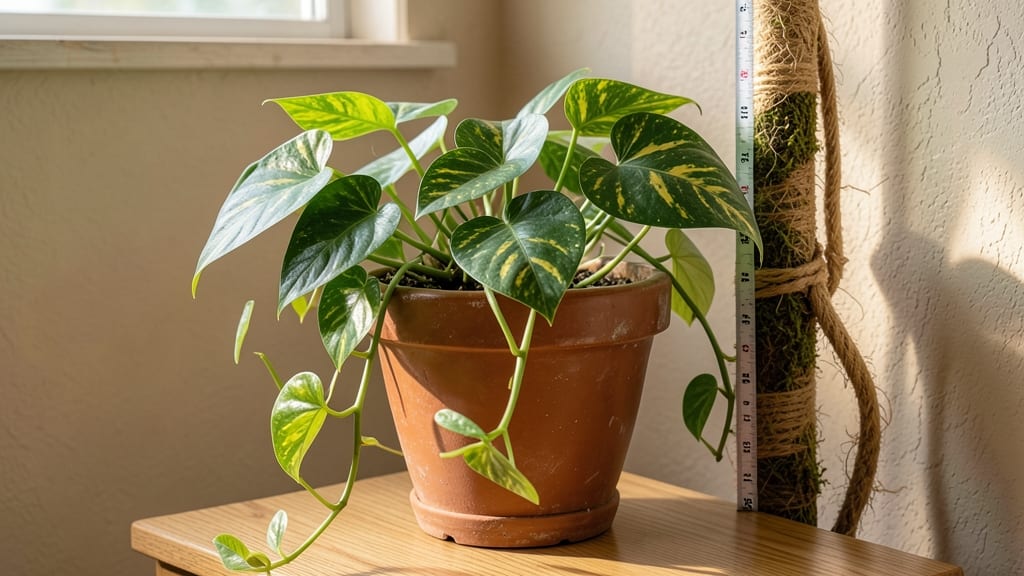
If you’ve ever wondered how tall a Chinese Money Plant will grow in your home, the answer depends more on your care routine than luck.
This popular houseplant typically reaches 12–18 inches indoors with proper attention, but without the right conditions, it can grow taller—sometimes even 3 feet or more in ideal settings.
What most beginners don’t realize is that light, pot size, and pruning play a huge role in controlling its height. Too much direct sun or a cramped container can send your plant into a vertical growth spurt, while strategic trimming keeps it bushy and manageable.
The good news? With a few simple adjustments, you can shape your Chinese Money Plant to fit your space perfectly.
Whether you’re dealing with a fast-growing seedling or a mature plant that’s outgrown its spot, understanding these growth patterns will help you avoid common mistakes. I’ll break down exactly how to encourage healthy, controlled growth—so you can enjoy your plant’s stunning foliage without the surprise ceiling hugs.
Ready to learn how to keep your Chinese Money Plant at your desired height? Let’s dive into the care tips that make all the difference.

Chinese money plant height guide: expected growth stages & indoor height limits
Your Chinese Money Plant (Pachira aquatica), also called the money tree, is a tropical stunner that grows surprisingly fast indoors.
Without proper care, it can reach 6 feet or taller in just a few years—but most home gardeners keep theirs between 3 and 5 feet with smart pruning and light control. The key is understanding its growth stages and how to manage them.
When you first bring home your money tree seedling, it’ll stay small for the first few months. In its first year, expect growth of just 6 to 12 inches if given ideal conditions.
This slow start is normal, but don’t worry—once it matures, it can add 12 to 24 inches per year if left unchecked. The good news? You can easily control this with simple techniques.
Here’s the growth timeline you can expect for a typical indoor Chinese Money Plant:
| Growth Stage | Height Range | Timeframe | Key Care Tip |
|---|---|---|---|
| Seedling | 3–6 inches | First 3–6 months | Keep in bright, indirect light |
| Juvenile | 12–24 inches | 6 months–1 year | Repot if roots circle the pot |
| Mature (Indoor) | 3–5 feet | 1–3 years | Prune to encourage bushiness |
| Outdoor Potential | 6–10 feet | 3+ years (if hardy zone 10+) | Not cold-hardy; keep indoors |
The pot size you choose plays a huge role in how tall your money tree grows. Smaller pots restrict root growth, which can stunt vertical growth but may lead to root-bound stress. Aim for a pot that’s 2–3 inches wider than the plant’s current root ball.
If you want a shorter, bushier plant, keep it in a smaller pot—this forces energy into foliage instead of height.
Light is another critical factor. Your Chinese Money Plant thrives in bright, indirect light, like an east-facing window. Too little light slows growth, while direct afternoon sun can scorch leaves and cause stretched, leggy growth.
If you notice your plant reaching for the light, it’s time to move it closer to a window or supplement with a grow light for 12–14 hours daily.
Many gardeners assume their money tree will grow tall naturally, but the truth is, it’s easily trainable. With the right pruning schedule—like trimming back leggy stems in spring—you can keep it at a manageable 3–4 feet even after years of growth.
This also encourages denser foliage and more of those iconic coin-shaped leaves.
One common misconception is that Chinese Money Plants grow much taller outdoors. While they can reach 10+ feet in tropical climates (USDA zones 10–11), they’re not cold-hardy and will die back in frost.
Indoors, their height is entirely up to you—with proper care, you can enjoy a compact, lush plant for decades.
To summarize, your money tree’s height depends on three key factors: light exposure, pot size, and pruning habits.
With bright indirect light, a moderate-sized pot, and regular trimming, you’ll keep it at a manageable 3–5 feet—perfect for tables, shelves, or even as a small floor plant. The best part?
It’s forgiving, so even if you make mistakes, your plant will bounce back with a little TLC.
Ready to take control of your Chinese Money Plant’s growth? Start by assessing its current light and pot conditions, then adjust as needed. With these tips, you’ll have a healthy, proportionate plant that fits your space beautifully. 🌿
Chinese money plant height guide: expected growth stages & indoor height limits
Your Chinese Money Plant (Pachira aquatica) starts small but grows surprisingly fast with the right conditions. In its first year, expect a 6–12 inch spurt, while mature plants typically reach 2–3 feet tall indoors.
Without pruning, some varieties can even stretch to 5 feet over 3–5 years—though this is less common in homes.
Growth speed depends on three key factors: light exposure, pot size, and pruning habits. A plant in a bright east-facing window with regular pruning will stay compact, while one in dim corners may grow leggy and slow.
Let’s break down the stages so you can predict—and control—your plant’s height trajectory.
| Growth Stage | Height Range | Timeframe | Care Tips |
|---|---|---|---|
| Seedling | 0–6 inches | 0–6 months | Keep soil moist, use grow lights if needed |
| Juvenile | 6–18 inches | 6–12 months | Rotate plant weekly for even growth |
| Mature (Indoor) | 2–3 feet | 1–3 years | Prune to encourage bushiness; repot every 2 years |
| Overgrown (Unpruned) | 3–5 feet | 3–5 years | Trim aggressively; upgrade to larger pot |
Many gardeners assume Chinese Money Plants grow like trees outdoors, but indoors, their height is more manageable. The key difference? Light intensity slows vertical growth in homes. Outdoors in tropical climates, these plants can reach 10–15 feet, but indoors, they’re happiest as 2–3 foot statement pieces.
To keep your plant at a desk-height size (1–2 feet), prune the top 2–3 leaves every 3–4 months. This triggers bushier growth and prevents leggy stems. Avoid letting it sit in low-light corners, as this causes stretched, weak stems that grow faster but flop over.
Pro tip: If your plant starts leaning toward a window, it’s seeking more light. Rotate it quarter-turns weekly to encourage even growth. With consistent care, you’ll enjoy a compact, lush plant that fits perfectly on shelves or tables—no ceiling drama required!