
Plants
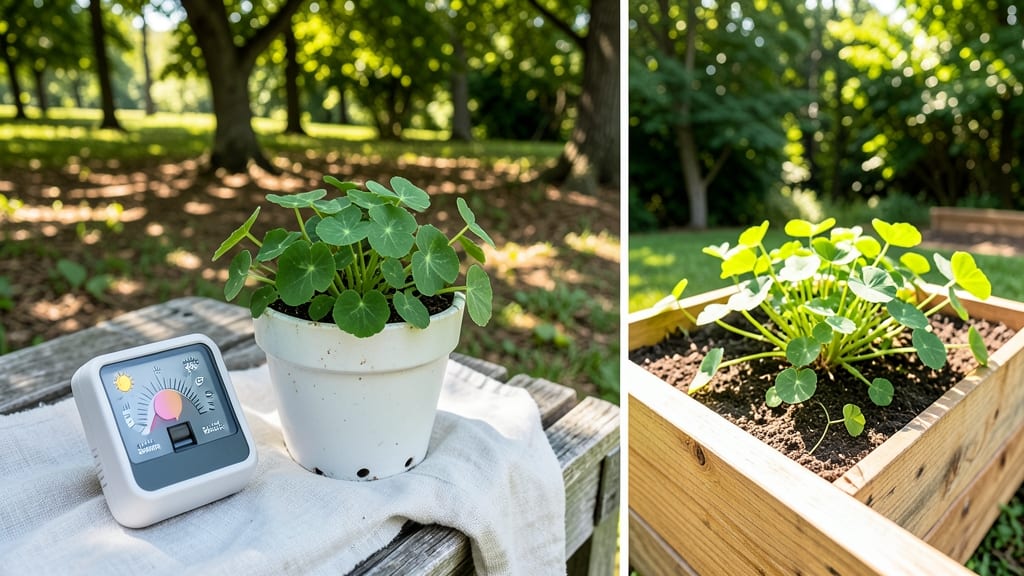
If your 🍀 shamrock plant looks tired or stops growing, the answer might be simpler than you think—how much light does a shamrock plant need is often the key to unlocking its full potential.
This delicate spring favorite thrives in bright indirect sunlight, but too much direct sun or too little light can leave it struggling to reach its full potential.
Most people assume shamrocks love shade, but they actually need 4-6 hours of filtered light daily to stay vibrant. Too little light leads to leggy stems and pale leaves, while harsh afternoon sun can scorch those delicate foliage.
The key is finding that perfect balance, whether you're growing yours indoors near a window or outdoors in a partially shaded spot.
Don’t worry if your space doesn’t get natural light—we’ll show you how to mimic ideal conditions with simple adjustments. You’ll learn how to spot signs of light stress and create the perfect environment for your shamrock to flourish year-round, even in USDA Zone 6a climates.
Ready to transform your shamrock from struggling to stunning? Let’s dive into the lighting secrets that’ll have your plant looking lush and healthy in no time.


Ideal light requirements for a healthy shamrock plant
Shamrock plants (Oxalis triangularis) thrive in bright indirect light, making them perfect for east-facing windows or lightly shaded outdoor spots. Unlike sun-loving plants, they can’t handle harsh afternoon rays, which often cause leaf burn.
Think of it like giving them a gentle morning sunbath—just enough to fuel growth without overheating.
In nature, shamrocks grow under dappled forest light, where sunlight filters through tree canopies. Replicating this at home means placing your plant 3-5 feet from a window or using sheer curtains to diffuse light.
If your space lacks natural light, don’t worry—we’ll cover grow light solutions later to keep your shamrock happy indoors.
Here’s the golden rule: 4-6 hours of bright indirect light daily is ideal. This mimics their natural habitat and prevents common issues like yellowing leaves (too much light) or leggy, sparse growth (too little). For outdoor shamrocks, morning sun paired with afternoon shade is a winning combo.
Seasonal adjustments matter too. During summer’s intense heat, move your shamrock to a spot with even more shade—like under a patio umbrella. In winter’s dimmer days, supplement with a grow light for 6-8 hours daily to maintain their vigor.
Think of it as giving your plant a light boost during its winter nap.
A common misconception is that shamrocks need full shade, but too little light leads to weak stems and pale leaves. The trick is finding that sweet spot where they get enough light to photosynthesize but stay cool enough to avoid stress.
Rotate your plant quarter-turns weekly to ensure even growth—uneven light exposure can cause lopsided foliage.
🌱 Shamrock Light Requirements Summary
| Light Type | Daily Exposure | Best For | Indoor Location |
|---|---|---|---|
| Bright Indirect | 4-6 hours | Healthy growth, vibrant leaves | East-facing window |
| Direct Morning Sun | 2-4 hours | Outdoor spots with shade after 10 AM | South-facing window (with sheer curtain) |
| Low Light | <2 hours | Survival only (weak growth) | North-facing window + grow light |
| Harsh Afternoon Sun | Avoid | Leaf burn, stress | N/A (move plant) |
Outdoor shamrocks love woodland gardens or container setups on porches where they get morning sun and afternoon shade. If you’re growing them in containers, choose terracotta pots—they breathe better and help prevent root rot from overwatering, a common issue when plants are stressed by light extremes.
Pro tip: Watch your shamrock’s leaves for color clues. Deep green with a slight purple tint means they’re thriving. If leaves turn yellow or pale, it’s a cry for more light.
Conversely, brown or crispy edges signal too much direct sun. Adjust their spot gradually—sudden changes can shock their system.
For indoor growers, south-facing windows can work if you use a light sheer curtain to filter the intensity. Avoid placing your shamrock directly on a windowsill in summer—glass can magnify heat, causing leaf scorch. Instead, set it 1-2 feet back where the light is bright but diffused.
Remember, shamrocks are adaptable but not indestructible. With the right light balance, they’ll reward you with lush, clover-like foliage all year round. Next, we’ll dive into how to spot when your shamrock is screaming for help—whether it’s begging for more light or shielding from too much sun.
Ideal light requirements for a healthy shamrock plant
Shamrock plants (Oxalis triangularis) thrive in bright indirect sunlight, making them perfect for east-facing windows or lightly shaded outdoor spots. Unlike sun-loving plants, they can’t handle harsh afternoon rays, which often cause leaf scorch or yellowing.
Aim for 4-6 hours of filtered light daily—think dappled shade under a tree or a north-facing window with sheer curtains.
Outdoors, place your shamrock where it gets morning sun and afternoon shade, like near a patio umbrella or under a lattice. If growing indoors, avoid south-facing windows unless you use a sheer curtain to diffuse the intensity.
Remember, too little light leads to leggy growth and pale leaves, while too much causes brown tips and crispy foliage.
Here’s how to spot the perfect light balance: healthy shamrocks have deep green, glossy leaves with compact growth. If yours is stretching toward the light or losing color, it’s time to adjust its spot.
Seasonal changes matter too—winter’s weaker light means you may need to supplement with grow lights.
| Light Condition | Ideal Hours | Signs of Success |
|---|---|---|
| Bright Indirect Light | 4-6 hours | Deep green leaves, compact growth |
| Direct Morning Sun | 2-4 hours | Healthy but may need afternoon shade |
| Low Light | <2 hours | Leggy stems, pale leaves |
| Harsh Afternoon Sun | Avoid | Brown tips, crispy edges |
For indoor shamrocks, rotate the pot quarter-turn weekly to ensure even light exposure. This prevents one-sided growth and keeps your plant bushy. If your home lacks natural light, a 10-15 watt LED grow bulb placed 12 inches away for 12-14 hours daily can mimic ideal conditions.
Just avoid keeping it too close—heat stress is as harmful as light stress!
Outdoor shamrocks in USDA Zone 6a (like mine in upstate New York) do best in spring and fall when temperatures are mild. In summer, provide afternoon shade to prevent heat damage, and in winter, move potted shamrocks indoors near a cool, bright window.
A south-facing window with a sheer curtain works well for winter care.
Pro tip: If your shamrock’s leaves start closing up (a common stress response), it’s often a sign of too much direct light or drought stress. Move it to a shadier spot and water lightly until you see improvement.
With the right light, your shamrock will reward you with vibrant foliage year-round! 🍀