
Plants
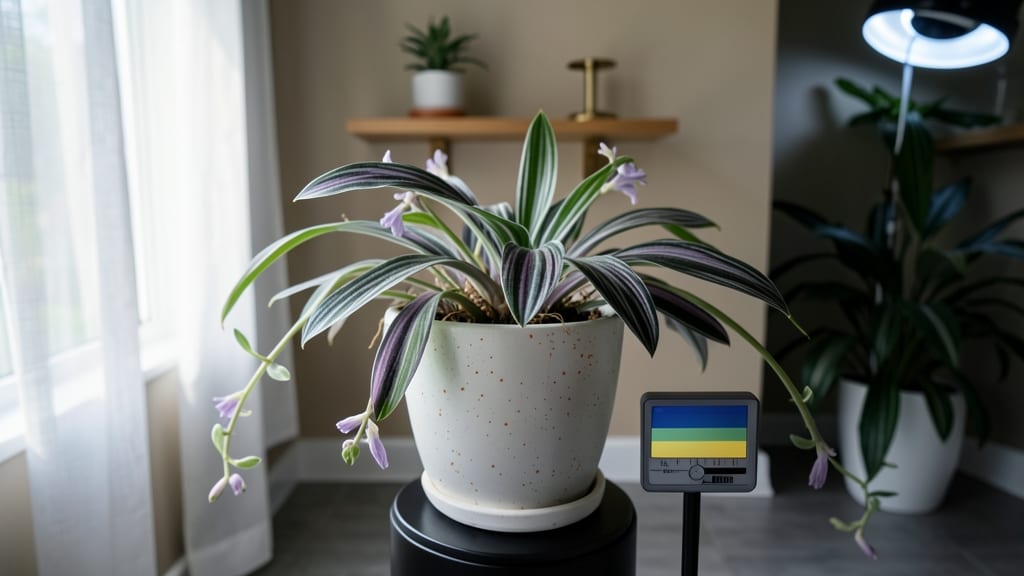
If you're wondering how much light does an inch plant need, you're not alone—this delicate 🌱 inch plant thrives in just the right balance of brightness, and getting it wrong can turn those lush purple leaves into sad, stretched-out stems.
Most people assume these plants love bright spots, but the truth is, they actually prefer bright indirect light—think of it as morning sun with a light filter.
Too much direct sunlight can scorch those tender leaves, while too little leaves them reaching desperately for any light source, creating those unsightly leggy stems.
In this guide, I'll break down exactly where to place your inch plant for optimal growth, whether you're dealing with a dim corner or a sunny windowsill.
You'll learn how to spot signs of over- or under-lighting and how to adjust your plant's environment to keep it looking its best year-round.
Ready to give your inch plant the perfect light conditions? Let's dive into the simple secrets that make all the difference for these charming little plants.


Ideal light requirements for inch plants: bright indirect light explained
Your inch plant (Selaginella kraussiana) thrives in bright indirect light, making it perfect for homes with filtered sunlight. Unlike sun-loving plants, it avoids harsh rays that can scorch its delicate leaves.
Think of it as the Goldilocks of houseplants—not too dark, not too bright, but just right.
In nature, these plants grow under dappled forest light, receiving only 30-50% of full sunlight. Mimicking this environment indoors ensures vibrant growth and prevents common issues like leaf burn or leggy stems.
East or west-facing windows are ideal spots, offering gentle morning or afternoon sun without the intensity of southern exposure.
Here’s how to spot the perfect light balance: healthy leaves should stay deep green with subtle purple hues. If they’re fading to pale green or yellow, your plant needs more light.
Conversely, crispy edges or brown patches signal too much direct sun. Adjust placement gradually to avoid shocking the plant.
Seasonal changes also affect light needs. During winter’s shorter days, supplement with a grow light 6-8 inches above the plant for 6-8 hours daily. In summer, move it 3-4 feet back from windows to prevent overheating. Rotate the pot weekly to ensure even light exposure on all sides.
Outdoor enthusiasts can place inch plants in partial shade gardens, especially in hot climates. They tolerate 4-6 hours of morning sun but must be shielded from afternoon heat. Use sheer curtains or a lightweight shade cloth to diffuse sunlight if needed.
| Light Condition | Ideal Placement | Leaf Indicators |
|---|---|---|
| Bright Indirect | East/West window, 2-3 ft away | Deep green with purple tones |
| Low Light | North window or room corner | Pale green, leggy stems |
| Direct Sun | South window without filter | Brown crispy edges |
For beginners, test your space’s light intensity with a simple shadow test: Place a white sheet near your potential plant spot during peak sunlight hours.
If the shadow is faint (like dappled sunlight), it’s perfect. If it’s dark, add a sheer curtain. If it’s too sharp, move the plant farther back.
Humidity plays a secondary role in light adaptation. In dry climates, group plants together to create a microclimate, or use a pebble tray beneath the pot. This mimics the moist forest floors where inch plants naturally grow, helping them recover faster from light adjustments.
Remember, inch plants are forgiving but finicky. A temporary misplacement won’t kill it, but chronic light stress will stunt growth. Start with the brightest indirect spot you have, then tweak based on leaf feedback. With patience, your plant will reward you with lush, cascading foliage year-round.
Pro tip: Pair your inch plant with a light-loving companion like a snake plant, which tolerates similar conditions but thrives in brighter spots. This creates a dynamic display while ensuring both plants get their ideal light balance.
Sunny spots vs. shady corners: how to test and adjust your inch plant’s light
Now that you know your inch plant thrives in bright indirect light, the next step is figuring out how to translate that into your home’s specific conditions.
Not all windows are created equal—what works for a sunny south-facing room might fry your plant, while a north-facing window could leave it stretching toward the light like a sleepy cat reaching for sunlight.
Start by assessing your space with a simple shadow test. Place a small object (like a pencil) near your potential plant spot and mark its shadow every hour. If the shadow is sharp and dark, that’s direct sunlight—too intense for your inch plant.
If it’s soft and diffuse, you’ve likely found the perfect bright indirect light zone.
For indoor growers, east or west-facing windows are ideal because they provide gentle morning or afternoon light without the harsh midday sun. South-facing windows can work too, but only if your plant is placed 3-4 feet away from the glass to filter the light.
North-facing windows? They’ll work, but your plant may grow slower and develop longer stems as it searches for more light.
🌱 How to Adjust Light Gradually
- Move your plant 1-2 inches closer to the light source every 3-5 days if it’s too dim (watch for new growth responding positively).
- Rotate your plant quarter-turn weekly to ensure even light exposure and prevent lopsided growth.
- Use a sheer curtain to diffuse harsh sunlight if your plant shows signs of leaf burn (brown or crispy edges).
- Supplement with a LED grow light (6-8 hours/day) if natural light is insufficient, especially in winter months.
- Watch for color changes: Deep purple leaves mean it’s happy; pale or green leaves signal it needs more light.
Outdoor inch plants? They’ll love dappled shade under trees or a partial shade patio (think 50% shade cloth if you’re growing them in containers). Avoid placing them in full sun, especially during peak afternoon hours when UV rays are strongest.
If you notice leaves turning yellow or brown, it’s a sign they’re getting too much direct sun.
Pro tip: In summer months, inch plants can handle slightly more light, but always introduce changes slowly. If you move your plant outside for the season, start with just 1-2 hours of morning sun and gradually increase exposure over 1-2 weeks.
This prevents sun shock, where leaves suddenly turn white or crispy from too much intensity.
Remember, the goal is to mimic the understory conditions of their native habitat—think of them as the forest floor plants that thrive under the canopy. With the right light balance, your inch plant will reward you with compact growth and those stunning purple leaves you fell in love with.