
Plants
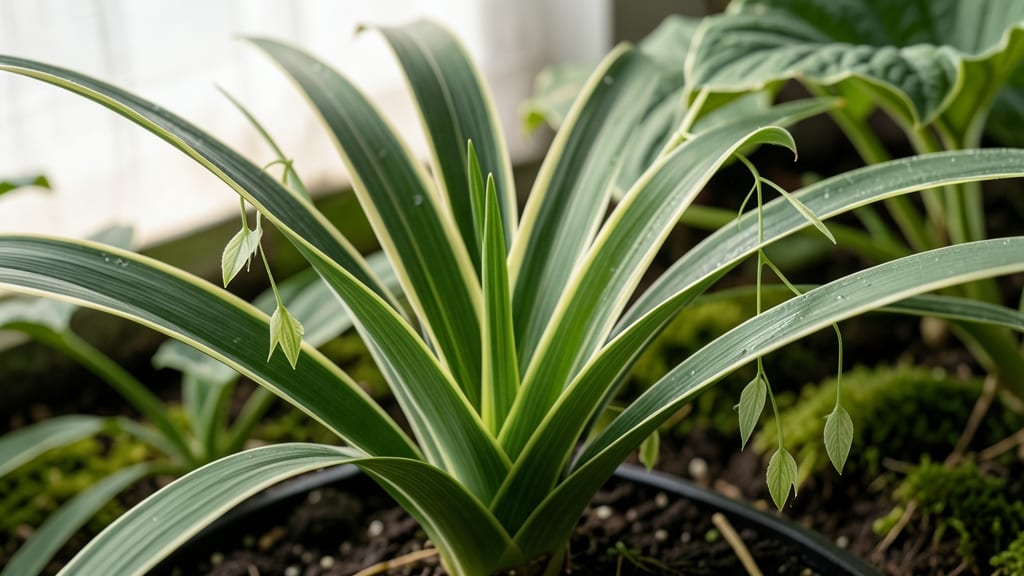
If your Spider Plant 🕷️ looks more sad than stylish, chances are it’s either starving for how much light does a spider plant need indoors—or drowning in too much of it—and you’re not alone.
The right lighting is the game-changer between a thriving green friend and a leggy, yellowing disappointment.
Most people assume Spider Plants are low-maintenance, but bright indirect light is actually their sweet spot. Too little, and they stretch toward the ceiling like a sleepy cat; too much, and those pretty leaves crisp at the edges.
The good news? Finding the perfect balance is easier than you think—and I’ll show you exactly where to place yours for lush, vibrant growth.
Whether you’re dealing with a dim corner office or a sun-drenched living room, we’ll break down the ideal light ranges, spot the warning signs of poor lighting, and even cover how to use grow lights if natural light falls short.
No guesswork, just clear, actionable tips to keep your Spider Plant happy year-round.
Ready to transform that struggling plant into a showstopper? Let’s dive into the lighting secrets that’ll have your Spider Plant thriving in no time.


Optimal light requirements for spider plants: bright indirect vs. low light tolerance
If you’ve ever wondered, "How much light does a spider plant need indoors?" the answer is simpler than you might think. Spider plants (Chlorophytum comosum) thrive in bright indirect light, but they’re surprisingly adaptable to lower light conditions.
Unlike sun-loving plants, they won’t crisp or bleach under direct sunlight, making them perfect for most homes. However, too little light leads to leggy growth and weak foliage, while too much can cause brown leaf tips.
Let’s break down the ideal light spectrum and how to position your plant for success.
The sweet spot for spider plants is 4–6 hours of bright indirect light daily. This mimics their natural habitat under the dappled shade of trees. In my experience, placing them near an east-facing window (gentle morning sun) or a north-facing window (consistent indirect light) works wonders.
South- or west-facing windows can work too, but only if you shield them from harsh afternoon rays with a sheer curtain.
Here’s the key: spider plants tolerate low light (like a dim office or hallway), but they’ll grow slower and produce fewer baby spiderettes. If your plant starts stretching toward the light or developing pale, sparse leaves, it’s time to adjust its spot.
The good news? They recover quickly once you move them to a brighter area.
| Light Condition | Ideal Placement | Growth Impact | Fix If Needed |
|---|---|---|---|
| Bright Indirect Light | East/west window, 2–3 ft away | Lush, green leaves; frequent offsets | None—perfect conditions! |
| Low Light (e.g., bathroom, office) | Near a window but not direct sun | Slow growth; leggy stems | Rotate plant weekly; use grow light |
| Direct Sunlight | South/west window without curtain | Brown leaf tips; crispy edges | Move to indirect light; trim damaged leaves |
| Artificial Grow Light | 6–8 inches under LED bulb | Healthy growth; offsets thrive | 12–14 hours/day; 6–12 inches away |
For those without ideal windows, grow lights are a game-changer. A simple LED grow bulb (like the Samsung LM300) placed 6–12 inches above your plant provides the full-spectrum light they crave.
I’ve seen spider plants flourish under 12–14 hours of grow light daily, especially in basements or windowless rooms. Just avoid placing the bulb too close—leaf burn is a real risk if it overheats the foliage.
Pro tip: Rotate your spider plant every 2–4 weeks. Plants lean toward light sources, so turning them ensures even growth. I notice my spider plants develop a fuller shape when rotated regularly, and the leaves stay vibrant instead of stretching toward one side.
This simple habit prevents that "lopsided" look many houseplants develop.
If you’re still unsure about your home’s light levels, try the "shadow test": Place a white piece of paper near your plant’s spot for an hour. If the shadow is sharp and dark, it’s too direct.
If it’s soft and faint, you’ve found the perfect indirect light zone. Spider plants are forgiving, but they’ll always let you know—through their leaves—when they need a little more (or less) light.
Remember, the goal isn’t perfection—it’s observation. Watch your spider plant’s response to its environment, and adjust gradually. With the right light, your plant will reward you with arching green leaves and an abundance of those adorable baby spiderettes.
🌱
Optimal light requirements for spider plants: bright indirect vs. low light tolerance
Your Spider Plant 🕷️ thrives in bright indirect light, which mimics its natural understory habitat. Think of it as the perfect balance between too dim and too harsh—like a cozy reading nook where sunlight filters through sheer curtains.
This 4–6 hours of daily indirect light keeps foliage vibrant and encourages those adorable baby spiderettes to form.
While Spider Plants are famously low-light tolerant, they’ll never reach their full potential in dim corners. In low light conditions, growth slows dramatically, leaves stretch upward (a condition called etiolation), and colors fade.
The key is finding that sweet spot where your plant gets enough light to stay happy without scorching.
| Light Condition | Daily Light Hours | Plant Response | Best Window Placement |
|---|---|---|---|
| Bright Indirect Light | 4–6 hours | Vibrant growth, healthy foliage, frequent offsets | East or North window, 2–3 feet away |
| Moderate Indirect Light | 2–4 hours | Slow growth, fewer offsets, pale leaves | West window (afternoon shade) or 4+ feet from South window |
| Low Light | <1–2 hours | Leggy growth, sparse leaves, yellowing | North-facing room without direct light, interior spaces |
| Direct Sunlight | >6 hours | Brown leaf tips, crispy edges, weak growth | South or West window without shade |
If your home lacks natural light, don’t despair—grow lights can save the day. A simple LED grow light (like a 12–15W bulb) placed 6–12 inches above your plant for 12–14 hours daily mimics sunlight perfectly.
Position it to cover the plant’s canopy evenly, and rotate the pot weekly for balanced growth.
Pro tip: Rotate your Spider Plant quarter-turn weekly to ensure even light exposure. This prevents one side from leaning toward the window and keeps those arching leaves symmetrical. Even in bright indirect light, a little TLC like this makes all the difference.
For South-facing windows, use a sheer curtain to diffuse harsh afternoon rays. If you notice brown leaf tips or yellowing, it’s a sign the light is too intense—move the plant back 1–2 feet immediately. The goal is consistent, gentle light, not scorching.
Remember, Spider Plants are forgiving—they’ll survive in less-than-ideal light, but they’ll thrive when given the right conditions. Start with bright indirect light, monitor their response, and adjust as needed. Your plant will thank you with lush, arching foliage and plenty of baby spiderettes to share! 🌱