
Plants
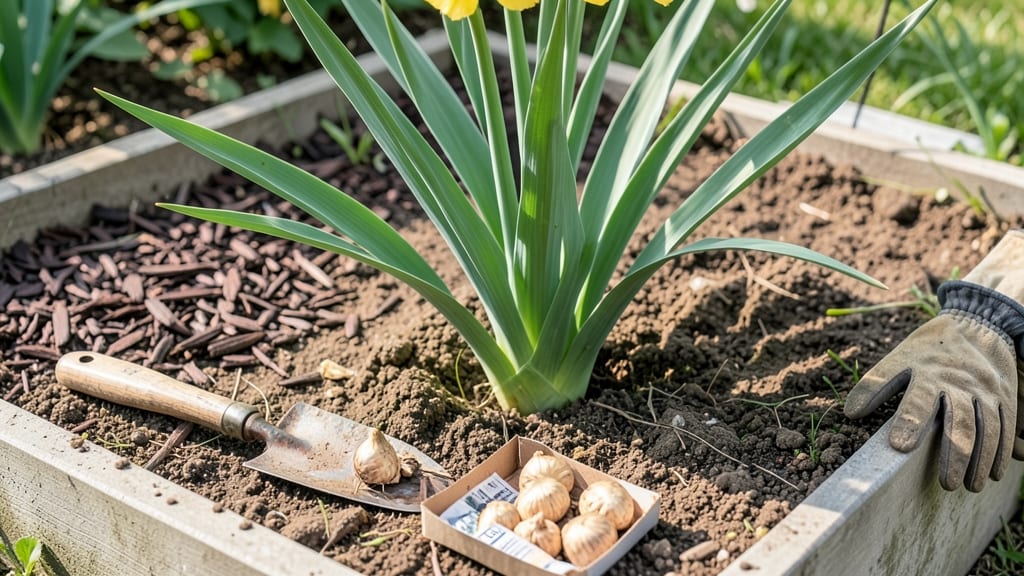
When to plant gladiolus bulbs in Tennessee isn’t just about following a calendar—it’s about outsmarting the region’s tricky frost dates and soil quirks to get those stunning 🌸 blooms without a single wasted effort. Plant too early, and your bulbs might bolt before summer even arrives; too late, and you’ll miss the prime window for vibrant, long-lasting flowers.
If you’ve ever wondered why your gladiolus plants seem to fizzle out before they even get a chance to shine, the answer likely lies in when (or if) you planted them.
Tennessee’s USDA zones 6a-7b demand precision—late March to early May is your sweet spot, but regional microclimates can shift that window by weeks.
I’ll break down the exact months to plant in East, Middle, and West Tennessee, plus soil temperature secrets that prevent bolting and ensure your gladiolus grow tall, strong, and ready to steal the show from July through September.
Skip the guesswork and learn how to sync your planting with Tennessee’s unpredictable spring—so you can enjoy bold, healthy blooms instead of disappointed bare stems.
Optimal gladiolus planting months in Tennessee by region (with exact dates)
Tennessee’s diverse climate—from the humid East to the drier West—means gladiolus planting windows vary by 1-2 weeks. Miss the mark, and your bulbs may bolt prematurely or rot in cold soil.
Here’s the exact schedule tailored to Tennessee’s three key regions, accounting for last frost dates and soil warmth.
For East Tennessee (USDA Zone 6a-7a), like Chattanooga and Knoxville, aim for April 15–May 1. The Smoky Mountains’ high elevation delays planting until May 1–15—wait for soil temps to hit 60°F+.
Meanwhile, Middle Tennessee (Nashville, Murfreesboro) aligns with March 31–April 15, while West Tennessee (Memphis, Jackson) can start as early as March 20–April 5.
Why the variation? Urban heat islands (like Nashville) warm faster than rural areas, while clay-heavy soils in East TN stay colder longer. Use a soil thermometer to confirm readiness—gladiolus bulbs need 55°F+ soil to sprout without risking rot.
🌱 Pro Tip: Mark your calendar for Mother’s Day weekend (May 12, 2024) as a safe last date for most of Tennessee. If planting later, opt for heat-tolerant varieties like ‘Black Pearl’ or ‘Green Star’ to avoid bolting.
| Region | USDA Zone | Last Frost Date | Ideal Planting Window | Soil Temp Goal | Adjustments |
|---|---|---|---|---|---|
| East TN (e.g., Knoxville, Chattanooga) | 6a-7a | April 15–May 1 | April 15–May 1 | 60°F+ | Wait until May 1–15 in Smokies |
| Middle TN (e.g., Nashville, Murfreesboro) | 7a-7b | April 1–April 15 | March 31–April 15 | 58°F+ | Urban areas: plant 1 week earlier |
| West TN (e.g., Memphis, Jackson) | 7b-8a | March 15–April 1 | March 20–April 5 | 55°F+ | Clay soils? Amend with compost |
🌡️ Note: Use a soil thermometer—bulbs planted in cold soil (<55°F) risk rot.
If you’re in Zone 6a (e.g., Bristol, Kingsport), push planting to May 1 to avoid late frosts. For Zone 7b+ (e.g., Franklin, Jackson), you can start as early as March 15, but cover bulbs with straw mulch if nights dip below 40°F.
For container gardening, add 2–4 weeks to these windows—pots heat up faster but also dry out quicker. Use black plastic pots to warm soil 5–10°F faster than traditional containers.
🌿 Warning: Planting before April 1 in most of Tennessee risks bolting (premature flowering). Bolting gladiolus won’t rebloom—you’ll get skinny stems and tiny flowers instead of the dramatic spikes you crave.
Extend your season by succession planting: Add new bulbs every 2 weeks from April through June. This ensures continuous blooms from July to September, even if your first batch bolts early.
📅 Remember: Tennessee’s first frost hits Mid-October, but gladiolus bulbs don’t survive winter in the ground. Dig them up after first frost, dry them, and store in a cool, dark place (like a garage) until next spring.
How to avoid bolt risk: soil temperature and depth secrets for Tennessee gardeners
Gladiolus bulbs in Tennessee bolt—shoot up flower stalks prematurely—when planted in cold soil or at the wrong depth. The key to preventing this is waiting until your soil reaches 60°F (15°C) and planting bulbs 4–6 inches deep.
Cold soils trigger early bolting, while shallow planting exposes bulbs to temperature fluctuations.
Use a soil thermometer to check temperature before planting. In most of Tennessee, this means waiting until late April to early May in East Tennessee or mid-April in West Tennessee. Urban areas may need to wait even longer due to heat island effects delaying soil warming.
Here’s how to test your soil: Push the thermometer 3–4 inches deep (where bulbs will sit) and wait 30 minutes for an accurate reading. If it’s below 60°F, delay planting. Clay-heavy soils in Tennessee often stay colder longer, so amend with compost to improve drainage and warmth.
⚠️ Critical Warning: Bolt Risk Zones
- Cold soil (<55°F): Bulbs bolt within 10–14 days of planting.
- Shallow planting (<3 inches): Exposed to frost or heat swings, causing stunted growth.
- Clay soil without amendment: Poor drainage leads to rot before bolting.
Once your soil is ready, plant bulbs pointy end up in trenches 4–6 inches deep, spacing them 6 inches apart. In Tennessee’s USDA zones 6a–7b, this timing ensures bulbs establish roots before summer heat arrives.
Mulch with 2–3 inches of straw after planting to retain soil warmth and moisture.
If you’re in high-altitude areas like the Smoky Mountains, wait until mid-May due to later frost dates. Conversely, in West Tennessee’s warmer zones, you can plant as early as late March if soil temperatures confirm readiness. Always prioritize soil temperature over calendar dates.
After planting, water deeply to settle the soil and encourage root growth. Avoid overhead watering to prevent fungal diseases like botrytis, which thrives in Tennessee’s humid summers. Instead, use a soaker hose or drip irrigation to keep the base of the plants moist without wetting the foliage.
By mastering these soil temperature and depth secrets, you’ll eliminate bolt risk and enjoy vibrant gladiolus blooms from July through September—just in time for Tennessee’s hottest (and most colorful) months. 🌸