
Plants
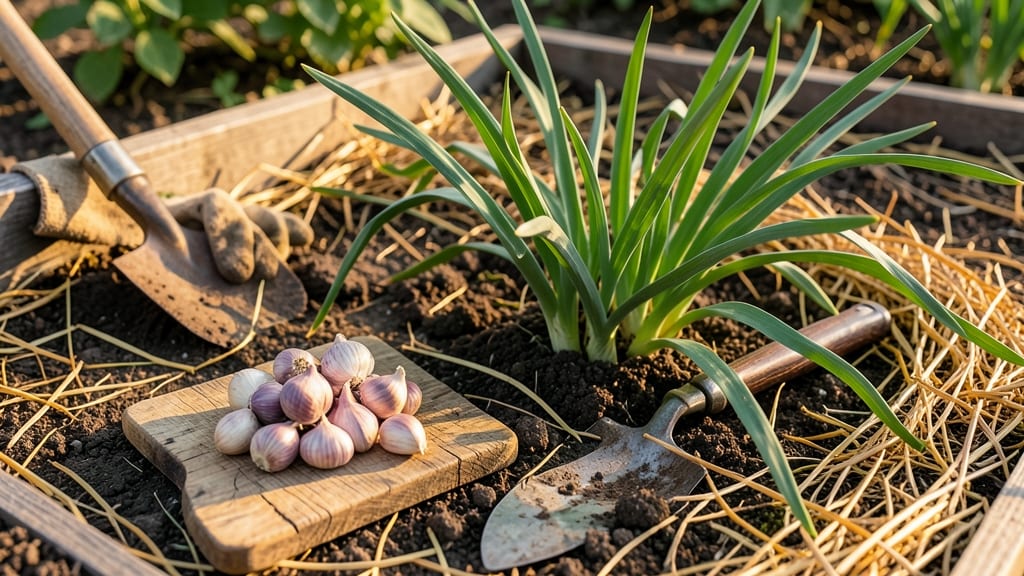
If you’ve ever wondered why your 🧄 garlic bulbs turn out small or weak, the answer might be as simple as planting at the wrong time in Zone 8a. Unlike other crops, garlic thrives when planted in the cooler months, and getting the timing right is the key to plump, flavorful harvests the following summer.
In Zone 8a, where winters are mild but still chilly enough to trigger garlic’s growth cycle, the ideal window is between October and November. Planting too early or too late can disrupt bulb formation, leaving you with disappointing results.
I’ll show you exactly how to sync your planting schedule with Zone 8a’s unique climate—so you can avoid common mistakes and set yourself up for success.
You don’t need a green thumb to nail this—just a few simple adjustments, like preparing your soil before the first frost and choosing the right variety for your area.
Whether you’re a first-time gardener or looking to refine your technique, these insights will help you grow garlic that’s bigger, tastier, and easier than ever before.
Ready to transform your garden? Let’s dive into the perfect timing, soil prep, and care tips that’ll have you harvesting homegrown garlic like a pro by next summer.
Ideal planting windows for garlic in Zone 8a
In Zone 8a, garlic thrives when planted during the cool fall months—typically between mid-October and November. This timing ensures bulbs establish roots before winter dormancy, giving you plump, flavorful harvests the following summer.
Unlike colder zones, Zone 8a’s mild winters mean garlic can handle light frost exposure without damage.
Fall planting is critical because garlic needs 6-8 weeks of cold temperatures (below 40°F) to form proper bulbs. In Zone 8a, this window aligns perfectly with October-November, just before the first hard frost.
Planting too early (like September) risks premature sprouting, while planting too late (December) may leave insufficient time for root development.
Spring planting is possible but riskier in Zone 8a. If you miss the fall window, you can try planting in early February, but bulbs may be smaller and less robust. Spring-planted garlic often struggles with summer heat stress and may bolt (produce flowers) instead of forming bulbs.
Pro Tip: Use a moon planting calendar for Zone 8a to align your garlic planting with the rooting phase (waning moon). This traditional method can boost bulb size and health.
| Planting Window | Why It Works | Zone 8a Specifics |
|---|---|---|
| Mid-October - November | 6-8 weeks of cold for bulb formation | Avoids summer heat stress; mild winters allow root growth |
| Early February (Spring) | Emergency backup option | Risk of smaller bulbs; higher chance of bolting in summer heat |
| September (Early) | Too early; sprouts before cold | Leads to weak bulbs or no harvest |
| December (Late) | Insufficient root time | Bulbs may not mature fully |
⏰ Zone 8a Planting Deadline: November 15 (before first hard frost)
For Zone 8a gardeners, aim to plant garlic 4-6 weeks before the first frost. Check your local USDA frost calendar—most Zone 8a areas experience their first frost around mid-December. Planting in late October gives garlic enough time to establish roots before winter.
Garlic planted in fall will sprout in early spring and grow vigorously through spring and summer. The bulbs will mature by June or July, just as summer heat begins to stress the plant. This natural lifecycle ensures optimal bulb development without the plant expending energy on flowering.
If you’re new to garlic growing, start with hardneck varieties like 'German White' or 'Silverskin', which handle Zone 8a’s climate well. These varieties also produce scape shoots (flower stalks) that you can harvest for extra flavor without affecting bulb size.
Remember: Soil temperature is just as important as air temperature. Garlic cloves need soil temps between 40°F and 50°F for best germination. In Zone 8a, this usually aligns with October-November, but monitor your soil with a thermometer to avoid planting too early.
For a foolproof method, plant garlic on a cool, cloudy day to reduce stress. Water thoroughly after planting to encourage root growth. Mulch with straw or leaves to protect cloves from temperature fluctuations and retain moisture during Zone 8a’s dry winters.
🌱
Ideal planting windows for garlic in Zone 8a
In Zone 8a, the perfect time to plant garlic is between mid-October and early November. This window ensures your cloves get the cool fall temperatures they need to establish roots before winter dormancy.
Planting too early (like in September) can trigger premature growth, while waiting until December risks exposing young plants to harsh winter conditions.
Garlic needs about 6-8 weeks of cool weather before the ground freezes to form strong roots. In Zone 8a, where last frost typically hits around mid-December, planting in late October gives your garlic just enough time to root before winter sets in.
This timing also helps avoid spring planting mistakes, which often lead to smaller bulbs.
For those who miss the fall window, spring planting is possible but less ideal. If you plant in February or March, your garlic will mature faster but may produce smaller bulbs due to summer heat stress.
Spring-planted garlic is better suited for green garlic (scapes and shoots) rather than full bulbs.
Zone 8a Garlic Planting Timeline
| Stage | Action | Ideal Timeframe |
|---|---|---|
| Soil Prep | Loosen soil, add compost | September-October |
| Planting | Break cloves, plant 2" deep | Mid-October to early November |
| Winter Dormancy | Mulch heavily, protect from frost | December-February |
| Spring Growth | Remove mulch, fertilize lightly | March-April |
| Harvest | Dig when lower leaves brown | June-July |
One common mistake in Zone 8a is planting garlic too close to the first frost. If you plant in late November, your cloves may not have enough time to root before the ground freezes.
To avoid this, use a soil thermometer to check that soil temps stay above 40°F for at least 6 weeks after planting.
For gardeners in Zone 8a, late October is my top recommendation. This timing balances root establishment with winter protection, giving you the best chance for large, flavorful bulbs the following summer.
If you’re unsure about your exact frost dates, check your local USDA Plant Hardiness Zone Map or consult your extension office for precise guidance.
Pro tip: Mark your planting date on a calendar so you can track growth progress. By late spring, you’ll see those first green shoots—a sure sign your garlic is off to a great start! 🌱