
Plants
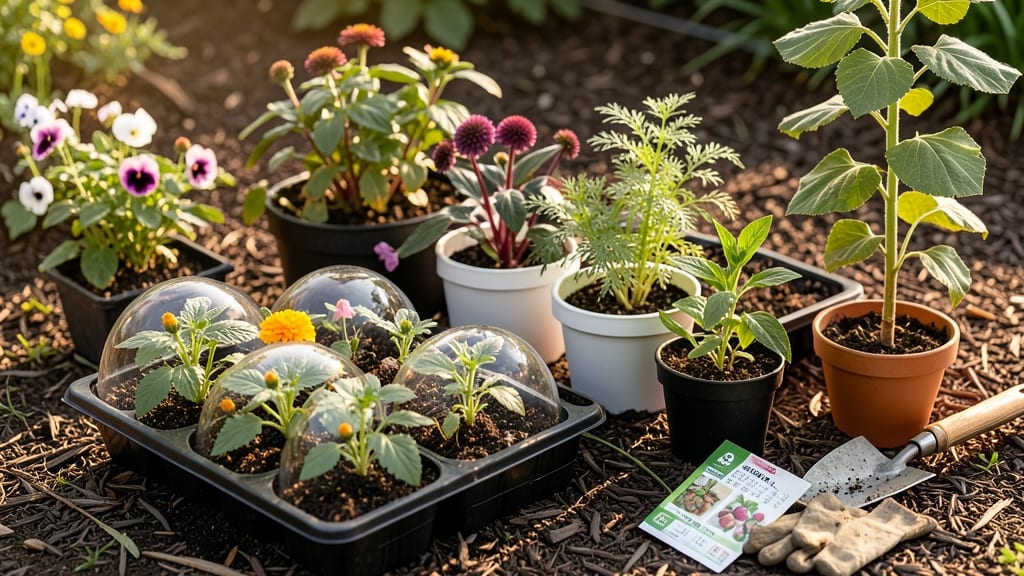
Timing is everything when it comes to growing vibrant annuals 🌱 in Zone 5 - plant too early, and a late frost will wipe out your hard work.
The difference between a thriving garden and a season of disappointment often comes down to understanding your local frost dates and soil conditions.
I've learned the hard way that rushing annuals into cold soil or ignoring regional frost patterns can turn your gardening dreams into a costly lesson.
Whether you're planting marigolds for summer color or cool-season veggies like lettuce, knowing exactly when to put those seeds in the ground makes all the difference.
In this guide, I'll break down the ideal planting windows for Zone 5's sub-regions, including how to adjust for tender plants versus frost-tolerant varieties. You'll discover how soil temperature plays a crucial role and why some annuals thrive when planted in early spring while others wait for late summer.
From using row covers to extend your season to avoiding common timing mistakes, these insights will help you maximize your annuals' potential. Let's get your garden off to the right start with confidence, not guesswork.
Zone 5 last frost dates by region: when annuals can safely go in the ground
Zone 5 spans from the Midwest to the Northeast, with last frost dates that can vary by 2-3 weeks depending on your exact location.
Understanding these dates is critical—planting warm-season annuals like tomatoes or marigolds too early risks frost damage, while cool-season varieties like lettuce or pansies planted too late may bolt or struggle. The USDA divides Zone 5 into 5a (colder) and 5b (warmer) sub-zones, which further refines timing.
For most of Zone 5, the average last frost date falls between April 15 and May 15, but microclimates—like urban areas or south-facing slopes—can push this window earlier. First frost dates typically arrive between October 1 and October 15, though early frosts in Zone 5a can occur as soon as September 15.
Planning around these dates ensures your annual flowers and vegetables thrive without premature death.
Here’s how to use this frost date guide for your garden: Start cool-season annuals like spinach or snap peas 4-6 weeks before your last frost date. For warm-season plants such as basil or petunias, wait until 2 weeks after the last frost when soil temperatures consistently reach 60°F (15°C).
In Zone 5a, this often means delaying planting until late May.
🌱
Zone 5 Last Frost Dates by Region
| Region | Zone 5a Last Frost | Zone 5b Last Frost | First Frost | Planting Window |
|---|---|---|---|---|
| Northeast (NY, PA) | May 1-15 | April 20-May 5 | Oct 1-15 | Cool: Mar-Apr | Warm: May-Jun |
| Midwest (MI, WI, IA) | May 10-25 | May 1-10 | Sep 20-Oct 5 | Cool: Mar-Apr | Warm: May-Jun |
| Great Lakes (MN, IN) | May 15-30 | May 5-15 | Sep 25-Oct 10 | Cool: Apr | Warm: May-Jun |
| Northern Plains (ND, SD) | May 20-Jun 5 | May 10-20 | Sep 10-Oct 1 | Cool: Apr-May | Warm: Jun |
*Adjust for microclimates: Urban areas warm up faster; slopes and south-facing gardens may have earlier frost-free dates.
If you’re unsure about your exact last frost date, check local Almanac records or use a frost calculator like the Old Farmer’s Almanac.
For Zone 5b areas, you might even plant heat-loving annuals like okra or sweet potatoes as early as late April, provided you use row covers for protection. In Zone 5a, err on the side of caution—wait until mid-to-late May for most warm-season plants.
For cool-season annuals, start seeds indoors 6-8 weeks before your last frost date. Hardy varieties like kale or radishes can handle light frosts, but lettuce or spinach may bolt if exposed to consistent temperatures above 75°F (24°C).
Succession planting every 2-3 weeks ensures a steady harvest of leafy greens throughout the season.
Don’t forget to monitor soil temperature—most warm-season annuals need soil at least 60°F (15°C) to germinate. Use a soil thermometer to confirm readiness, especially in northern Zone 5 where cooler soils delay planting.
For fast-growing annuals like bush beans or zucchini, you can even plant 2 weeks before the last frost if you’re willing to use frost cloth for protection.
🌿
Pro tip: Use frost-sensitive annuals like geraniums or impatiens as your canary in the coal mine
How to adjust planting times for annuals based on hardiness groups (tender vs. frost-tolerant)
Not all annuals are created equal when it comes to frost tolerance. In Zone 5, some plants like marigolds and petunias can't handle even light frost, while others like pansies and kale thrive in cooler temperatures.
Understanding these hardiness groups lets you time your plantings perfectly for maximum blooms or harvests.
I’ve categorized annuals into three key groups: frost-tolerant, moderately cold-hardy, and tender. Each group has specific soil temperature and frost thresholds that determine when they can safely go into the ground.
For example, lettuce and spinach can handle light frosts, while tomatoes and peppers need warm soil and air to germinate.
Here’s how to adjust your planting schedule based on these groups, including soil temperature thresholds and how to extend your growing season with row covers or cold frames.
🌱 Adjust Planting Times by Hardiness Group
Examples: Pansies, Kale, Lettuce, Spinach
Planting Window: 4-6 weeks before last frost (early spring or late summer)
Soil Temp: 40-50°F (can tolerate light frost)
Pro Tip: Ideal for succession planting in spring and fall.
Examples: Snapdragons, Sweet Alyssum, Nasturtiums
Planting Window: 2-3 weeks before last frost or after danger of frost passes
Soil Temp: 50-60°F (may handle brief frosts)
Pro Tip: Use row covers to protect young plants.
Examples: Marigolds, Petunias, Tomatoes, Peppers
Planting Window: After last frost (soil temp 60°F+)
Soil Temp: 60-70°F (cannot tolerate frost)
Pro Tip: Start indoors 6-8 weeks before last frost or use cold frames.
Tools: Row Covers, Cold Frames, Greenhouses
Spring: Use row covers to plant 2 weeks earlier.
Fall: Cold frames can extend harvest 4-6 weeks later.
Warning: Avoid plastic tunnels without ventilation (risk of overheating).
For tender annuals, like tomatoes and peppers, wait until the soil temperature consistently reaches 60°F—this usually aligns with your last frost date. I recommend using a soil thermometer to monitor conditions, especially in Zone 5b areas where frosts can linger longer.
If you’re eager to plant earlier, consider cold frames or row covers to create a microclimate that warms up faster.
On the other hand, frost-tolerant annuals like pansies and kale can be planted 4-6 weeks before your last frost date. These hardy plants often handle 28-32°F temperatures, making them perfect for early spring color or fall harvests.
I’ve found that succession planting these varieties every 2-3 weeks ensures a continuous supply of greens or blooms all season long.
Don’t forget about late summer planting for cool-season annuals! Many gardeners overlook the fact that Zone 5 allows for a second planting of lettuce, spinach, and pansies in August or early September.
These plants thrive in cooler fall temperatures and can often be harvested before the first frost hits. Just be sure to use row covers to protect them if an early frost is forecasted.
By aligning your planting schedule with these hardiness groups and adjusting for soil temperature, you’ll avoid the heartbreak of lost plants and enjoy a longer, more productive growing season. 🌿