
Companion Plants
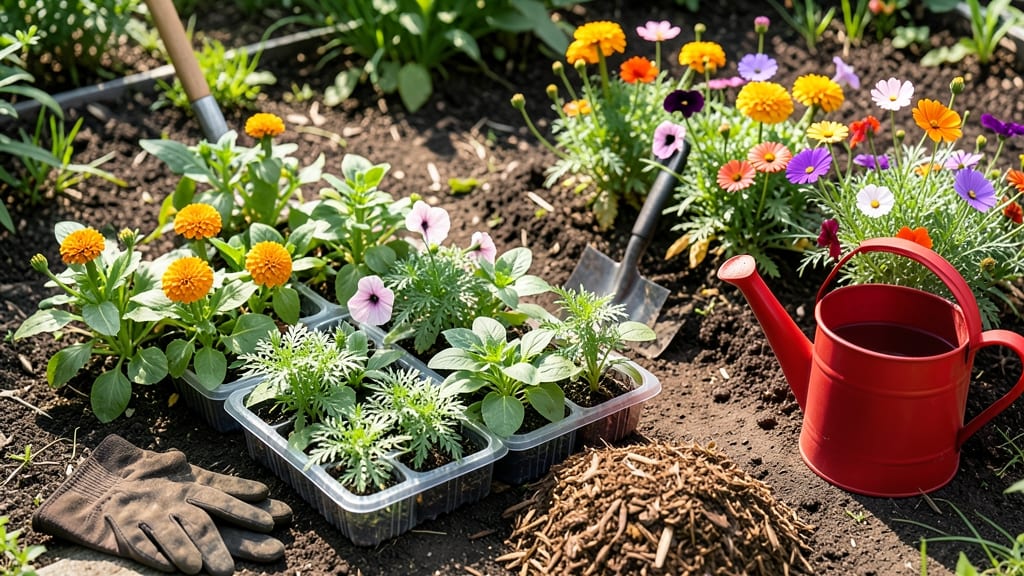
If you're wondering when to plant annuals in Zone 6, timing is the key to avoiding frost damage and maximizing your garden's potential. The difference between a thriving summer display and a sad, wilted mess often comes down to knowing exactly when to put those seeds in the ground.
Zone 6 gardeners face a unique challenge with its variable frost dates, where last spring frosts can linger until mid-May and first fall frosts arrive as early as mid-September. This means your planting schedule needs to be as flexible as your favorite gardening gloves.
The good news? With the right strategies, you can stretch your growing season and enjoy vibrant annuals from spring through fall.
I've tested countless planting timelines, and what works best depends on whether you're growing cool-season favorites like pansies or heat-lovers such as marigolds. Some varieties thrive when planted as soon as the soil is workable, while others need to wait until the ground is properly warmed.
Let me show you exactly when to plant each type for a continuous bloom all season long.
From soil prep tips to microclimate adjustments, I'll walk you through everything you need to know to make your Zone 6 annuals the envy of the neighborhood.
Whether you're a first-time planter or a seasoned gardener looking to refine your approach, these insights will help you grow more successfully than ever before.
Zone 6 frost dates & last spring/first fall planting windows
Zone 6 gardeners face 150-200 frost-free days annually, making timing critical for annuals. The average last spring frost falls between April 15 and May 15, while the first fall frost typically arrives September 15 to October 15.
These dates create a 150-day growing window—just enough for heat-loving annuals like tomatoes and marigolds.
However, your exact planting window depends on your local microclimate. Cities like Cincinnati tend to have later frosts than Indianapolis or Pittsburgh due to urban heat islands. Always check NOAA’s frost maps or your local cooperative extension service for precise data.
For cool-season annuals like lettuce or pansies, you can start seeds 4-6 weeks before your last frost date indoors or use cold-hardy varieties planted directly in early spring. Warm-season plants like basil or marigolds need soil temperatures above 60°F—wait until after your last frost to avoid stunted growth.
Fall planting is trickier in Zone 6. Heat-tolerant annuals like zinnias or sunflowers can handle brief chills, but most veggies need to be sown 8-10 weeks before your first frost. Succession planting in late summer ensures a harvest before winter sets in.
| Season | Planting Window | Ideal Plants | Soil Temp Requirement |
|---|---|---|---|
| Early Spring | March 15–April 15 | Pansies, Lettuce, Spinach | 40–50°F |
| Late Spring | May 1–June 1 | Tomatoes, Peppers, Basil | 60°F+ |
| Summer | June 15–July 31 | Marigolds, Zinnias, Sunflowers | 70°F+ |
| Early Fall | August 1–September 15 | Kale, Radishes, Cos Lettuce | 50–60°F |
To extend your growing season, use row covers or cold frames for early spring/fall plantings. These tools can push your last frost date back by 2-4 weeks or delay the first frost by 3-5 weeks.
For example, planting bush beans under a row cover in early May can yield harvests weeks earlier than unprotected plantings.
Always monitor weekly forecasts in late spring/early fall. A sudden cold snap can damage tender annuals like petunias or geraniums. If frost is predicted, cover plants with lightweight blankets or plastic sheeting and remove them once temperatures rise above freezing.
For first-time Zone 6 gardeners, start with heat-tolerant annuals like marigolds or zinnias—they’re forgiving and thrive even if planted slightly late. Pair them with cool-season crops like kale or spinach for a year-round harvest strategy.
Pro tip: Use biodegradable seed starter pots to transplant seedlings after your last frost. This minimizes root disturbance and gives annuals a 2-week head start over direct-sown seeds.
🌱
Zone 6 frost dates & last spring/first fall planting windows
Understanding Zone 6 frost dates is the foundation of successful annual planting. The average last spring frost typically occurs between April 15 and May 15, while the first fall frost arrives around September 15 to October 15.
These dates create your planting windows, but remember—microclimates in cities like Cincinnati, Indianapolis, or Pittsburgh can shift these by 1-2 weeks.
For cool-season annuals like lettuce or pansies, you can start seeds indoors 6-8 weeks before your last frost or sow directly when soil reaches 40°F (4°C).
Warm-season plants such as tomatoes or marigolds, however, need to wait until after your last frost and when soil warms to 60°F (15°C)—usually mid-May to early June.
Here’s how these frost dates translate into planting action:
| Season | Planting Window | Soil Temp | Key Annuals |
|---|---|---|---|
| Early Spring | March 15-April 15 | 40-50°F (4-10°C) | Pansies, Snapdragons, Kale |
| Late Spring | April 15-May 15 | 50-60°F (10-15°C) | Lettuce, Spinach, Marigolds |
| Summer | May 15-July 15 | 60°F+ (15°C+) | Tomatoes, Basil, Zinnias |
| Early Fall | August 1-Sept 15 | 50-60°F (10-15°C) | Cosmos, Nasturtiums, Radishes |
Pro tip: Use row covers to extend your spring planting window by 2-3 weeks for heat-loving annuals. For example, I’ve successfully planted tomato seedlings under frost cloth in early May, giving them a head start before removing covers in June.
Fall planting in Zone 6 is equally rewarding. Start cool-season annuals like pansies or calendula in late summer (August) for a colorful autumn display. These plants thrive in cooler temps and often bloom until the first hard frost.
Always check your local USDA Plant Hardiness Zone Map for precise adjustments—urban areas can be 2-3°F warmer than rural zones, delaying frost dates. For real-time updates, bookmark the NOAA frost prediction tool and monitor your garden’s microclimate.