
Plants
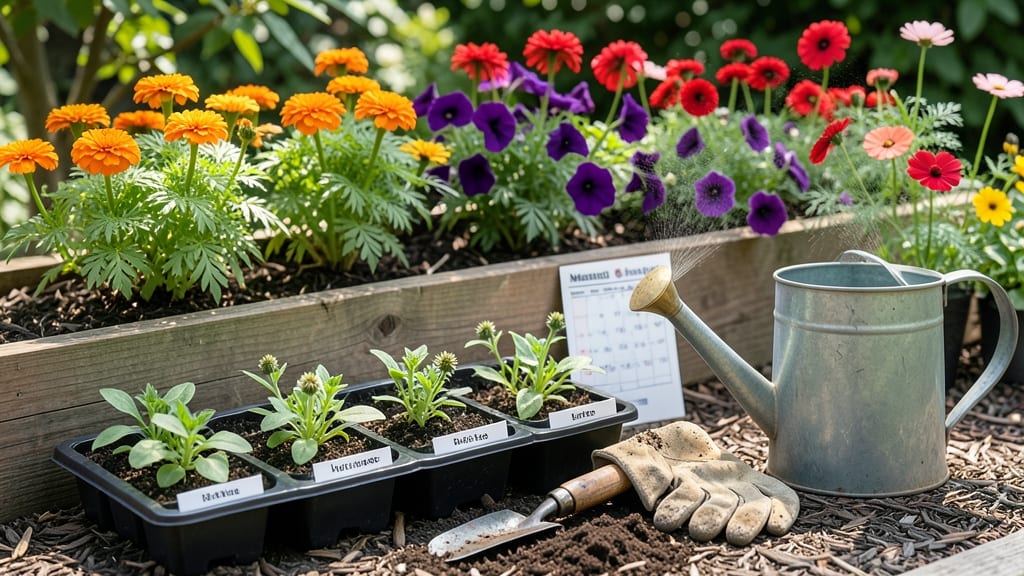
Knowing when to plant annuals in Maryland can mean the difference between a vibrant summer garden and a sad, frost-nipped disappointment. Maryland’s 7a-8a climate gives you two prime windows—spring and fall—but timing matters more than you think.
Spring plantings should happen after your last frost date (mid-April), when soil warms to 60°F for warm-loving 🌸 annuals like marigolds and petunias. Fall? Start again in early September to beat the first frost (mid-October) and enjoy late-season blooms.
But here’s the secret: Maryland’s microclimates mean frost dates shift by region. Whether you’re in Baltimore’s urban heat islands or the Eastern Shore’s cooler coastal breezes, I’ll break down the exact weeks before last frost for your zone—so you can plant with confidence.
Ready to transform your garden? Let’s dive into the precise planting schedule that’ll give you bold blooms all season long—no guesswork, just results.
Maryland’s last frost dates by region: exact weeks before planting annuals
Maryland’s last frost dates vary dramatically across its five regions, making precise timing critical for your annual flowers. In Baltimore and Frederick, the average last frost hits around April 15, while the Eastern Shore often sees frost linger until April 25.
Southern Maryland’s milder climate can push last frosts to April 10, while Western Maryland’s higher elevations may delay it until April 20.
For warm-season annuals like petunias and marigolds, wait until 2-3 weeks after your region’s last frost date. Cool-season annuals such as pansies and snapdragons can handle light frost, so plant them 4-6 weeks before the last expected frost. These timing rules ensure your garden thrives without frost damage.
🌱
Maryland Frost Dates & Planting Windows
| Region | Last Frost Date | Warm-Season Planting Window | Cool-Season Planting Window |
|---|---|---|---|
| Baltimore | April 15 | April 30 - May 15 | March 1 - March 15 |
| Frederick | April 20 | May 5 - May 20 | March 1 - March 10 |
| Eastern Shore | April 25 | May 10 - May 25 | March 1 - March 5 |
| Southern MD | April 10 | April 25 - May 10 | March 5 - March 15 |
| Western MD | April 20 | May 5 - May 20 | March 1 - March 10 |
*Adjust dates 1-2 weeks earlier for microclimates (e.g., urban heat islands or sheltered gardens).
Soil temperature is just as critical as frost dates. Warm-season annuals like zinnias and basil need soil at 60°F+ to thrive. Use a soil thermometer to confirm readiness—planting too soon in cold soil stunts growth. For cool-season annuals, aim for 45-55°F soil to avoid rot.
Maryland’s fall planting window runs from September 1 to October 15, with first frost typically arriving around October 15. Plant heat-tolerant annuals like cosmos or celosia in early September for extended blooms. For cool-season annuals, start seeds indoors in late August to transplant by September 15.
If you’re unsure about your exact last frost date, check the Maryland Department of Agriculture’s frost maps or use the National Weather Service’s climate data. Local nurseries also provide tailored advice based on your ZIP code.
These resources help you avoid common mistakes like planting tomatoes too early in Western Maryland or pansies too late in Southern Maryland.
For container gardening, adjust timing by 1-2 weeks earlier than ground planting—containers warm up faster. Place pots in sheltered spots to protect from late frosts. In urban gardens, heat from buildings can create microclimates, allowing you to plant warm-season annuals 10-14 days earlier than rural areas.
🌿
Pro tip: Mark your calendar with two key dates—your region’s last frost and the soil temperature threshold for your chosen annuals. For example, Baltimore gardeners should plant marigolds after April 30, while Frederick gardeners wait until May 5.
This precision ensures your annual flowers bloom vibrantly all summer.
💧
Best annual flowers for Maryland’s short growing season: fast-blooming varieties
Maryland’s short growing season (just 165 frost-free days) demands annuals that bloom quickly and handle heat. I’ve narrowed it down to the top 10 fast-blooming varieties that thrive in Maryland’s 7a-8a zones, from sun-loving powerhouses to shade-tolerant gems.
For bold summer color, prioritize cosmos and zinnias—both bloom in 6-8 weeks and handle Maryland’s hot, humid summers. If you’ve got shady spots, impatiens and begonias deliver nonstop blooms from May to frost with minimal fuss.
🌸 Pro Tip: Pair heat-resistant varieties (like lantana or portulaca) with cool-season annuals (such as pansies) for a longer bloom season. Here’s my ranked list of the fastest and hardiest annuals for Maryland:
For Maryland’s hottest months (July-August), portulaca and cosmos are my top picks—they thrive in 90°F+ heat and rebloom nonstop with minimal care. If you’re planting for fall color, pansies and snapdragons handle cool September nights beautifully.
🌿 Planting Windows: Start cosmos, zinnias, and marigolds 4-6 weeks before your last frost (mid-April) for early summer blooms. For fall plantings, sow pansies and snapdragons in early September to enjoy color until frost.
Need instant color? Skip seeds and opt for transplants of begonias, impatiens, or petunias—they’ll bloom within weeks of planting, giving you summer-long vibrancy with zero waiting.