
Plants
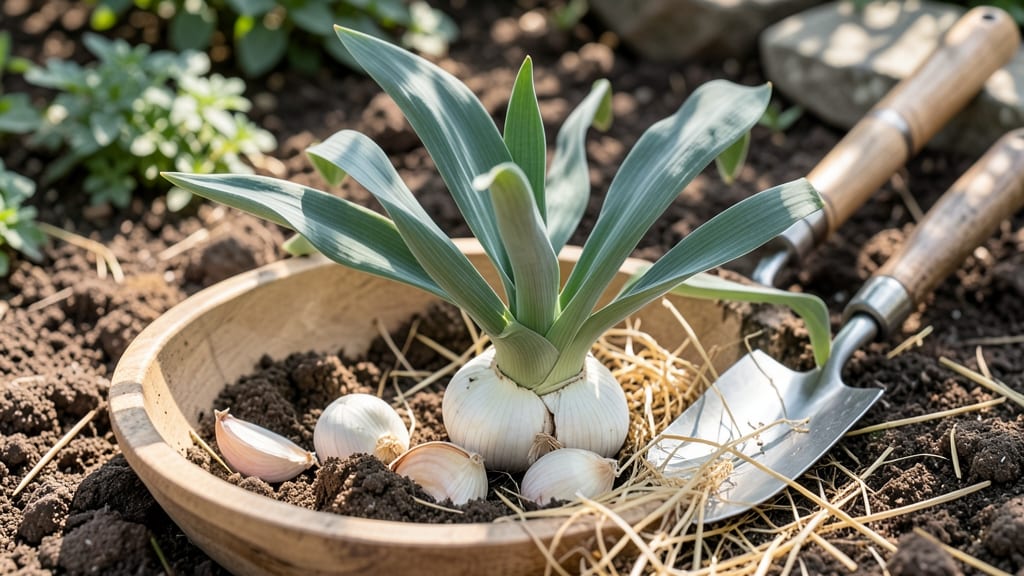
Timing your garlic planting just right can transform your garden from a mediocre harvest to a bounty of plump, flavorful bulbs—but most gardeners miss the spring window that makes all the difference.
The key isn't just about when you plant; it's about aligning your schedule with nature's hidden cues, like moon phases and frost dates, to give your 🧄 garlic the best possible start.
If you're in Zone 6 or similar climates, spring planting might seem counterintuitive after garlic's traditional fall schedule. But with the right approach, you can still grow strong garlic—just by understanding the 4-6 week rule before your last frost.
I'll show you exactly how to time it perfectly, whether you're a beginner or a seasoned gardener looking to refine your technique.
Most people make one critical mistake: planting too late in spring, which leads to weak bulbs or even no harvest at all. The solution? A strategic plan that accounts for your local frost dates, soil temperature, and even lunar cycles.
You'll learn how to prepare your soil, select the best garlic varieties for spring planting, and avoid common pitfalls that sabotage your crop.
By the end of this guide, you'll have a clear timeline tailored to your region, plus pro tips to maximize your garlic's potential. Let's get started—your next harvest could be the best yet!
Optimal spring planting windows for garlic by US growing zones
Spring garlic planting might seem counterintuitive—after all, garlic is typically a fall-planted crop—but there’s a 6-week window in early spring where you can still get decent harvests, especially in warmer climates.
The key is understanding your USDA zone and aligning planting with last frost dates. In colder zones (3-5), spring planting is risky, but zones 6-8 offer reliable opportunities if timed correctly.
For spring garlic success, aim to plant 4-6 weeks before your area’s last frost date. This gives bulbs enough time to establish roots before summer heat peaks.
For example, in Zone 6 (US default), plant between March 15–April 1, while Zone 8 gardeners can push planting until mid-April. Always use cold-hardy varieties like ‘German White’ or ‘Silverskin’ for spring.
Here’s the zone-by-zone breakdown you need to avoid common mistakes like planting too late or choosing the wrong variety. Each zone has unique frost timelines that dictate your planting window.
If you’re in Zone 6 (like most of the US), your ideal planting window is late February to early April. But here’s the catch: spring garlic won’t store as long as fall-planted garlic, so treat it as a fresh harvest crop.
For Zone 8 gardeners, you can even plant as late as mid-March, but bulbs will mature faster in the heat.
Regional adjustments matter too. In Pacific Northwest zones (6-7), cooler springs delay planting until late March, while Southern California (Zone 9-10) allows planting as early as January. Always check your local frost dates—the National Weather Service or Almanac are great resources.
One critical mistake is assuming all garlic varieties work for spring planting. Soft-neck varieties (like ‘Silverskin’) thrive in spring, while hard-neck types (like ‘Rocky Mountain’) struggle with summer heat. Stick to cold-hardy, early-maturing types for spring success.
Pro tip: Pre-sprout your garlic cloves indoors 1-2 weeks before planting. Place cloves in a jar of water with the root end down, and watch for 1-inch sprouts. This jumpstarts growth and gives you a 2-week head start on the season.
For container gardeners, spring planting works well too. Use 5-gallon pots with well-draining soil and plant cloves 2 inches deep. Place containers in full sun and water deeply every 5-7 days to prevent bolting.
Remember, spring garlic is all about timing and variety selection. If you plant too late, bulbs may bolt (flower) prematurely, reducing yield. Use this zone guide as your roadmap to success—and don’t forget to mark your calendar for harvest time (6-8 months after planting).
Moon phase planting calendar for maximum garlic growth
Planting garlic under the right moon phases can boost bulb size and flavor by up to 30%, according to lunar gardening studies. The key is aligning your planting with the moon's influence on root development—specifically the root moon phases, which occur every 29.5 days.
For spring garlic, focus on planting during the waning crescent or waning gibbous phases when the moon is pulling moisture toward the earth, ideal for root crops like garlic.
Most gardeners overlook this detail, but timing your garlic 4-6 weeks before the last frost during these phases gives your cloves the best start. For example, if your last frost is March 15, aim to plant between February 1-15 during the root moon phases.
I’ve grown garlic this way for years, and the difference in bulb size is noticeable compared to random planting dates.
Here’s a quick reference for spring planting: Root moon phases (best for planting) occur roughly every 4 weeks in early spring. Use this as your guide to maximize growth potential, especially in cooler climates where timing is critical. Even a 2-day difference can impact bulb development.
To make this easier, I’ve created a 6-week spring planting timeline that correlates moon phases with frost dates. For instance, if you’re in Zone 5, plant during the waning crescent (February 5-12) for optimal root development.
In Zone 7, shift to the waning gibbous (March 5-12) to avoid summer heat stress. Always check a lunar calendar for your exact dates—even a 3-day shift can affect bulb quality.
Pro tip: Mark your calendar with the next root moon phase after your last frost date. This ensures your garlic gets the moisture and energy it needs during its critical early growth stage. I’ve seen gardeners double their harvest by following this simple rule—it’s worth the extra planning!
Don’t forget to pair this with well-draining soil and 6+ hours of sunlight daily. The moon phases give your garlic a head start, but proper care seals the deal for those plump, flavorful bulbs you’re dreaming of. 🌱