
Plants
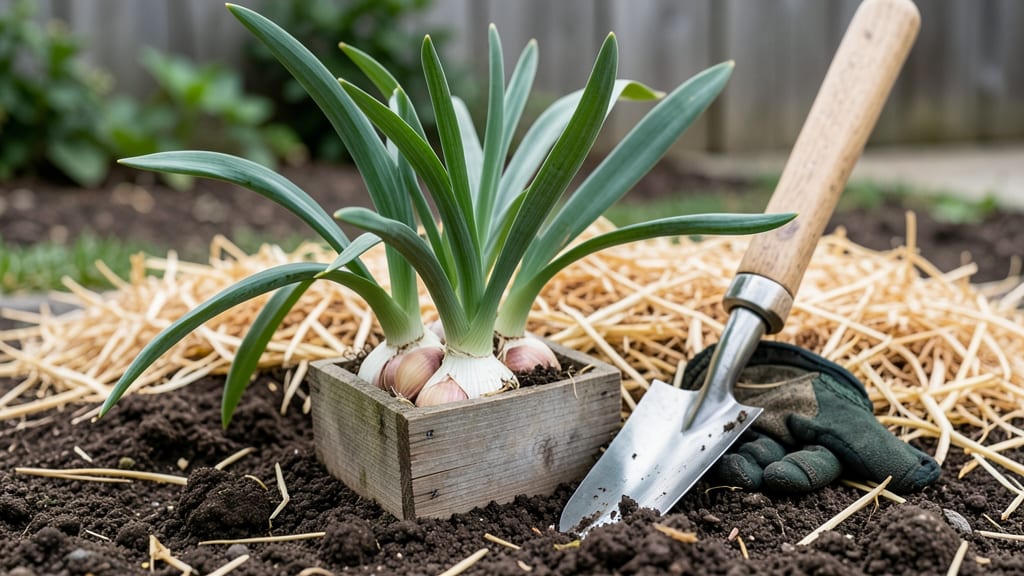
If you're wondering when to plant garlic in Las Vegas, timing is everything—and getting it right means the difference between plump, flavorful bulbs and bitter disappointment.
The high desert climate here demands a specific window to avoid bolting, and most gardeners swear by planting 🧄 garlic between October and December.
Why does this matter? Las Vegas' USDA Zone 9b climate means garlic needs a period of cool weather to establish strong roots before summer heat arrives.
Plant too late, and you risk weak growth or premature flowering. But with the right approach, you can enjoy a harvest ready by May or June.
I've learned the hard way that soil prep and microclimate matter just as much as the calendar. Urban yards with concrete heat islands behave differently than rural plots, and even a slight shift in planting time can make or break your crop.
Let me walk you through the exact steps to set your garlic up for success.
From choosing the right variety to adjusting for Las Vegas' unique conditions, you'll discover how to turn your garden into a garlic powerhouse. Ready to grow bulbs that rival the best store-bought? Let's get started.
Best months to plant garlic in Las Vegas for maximum yield
Las Vegas’ USDA Zone 9b climate demands precise timing for garlic success. Unlike cooler regions, garlic here needs 4-6 weeks of cold exposure to form bulbs properly. Plant too late, and you’ll miss the winter chill—plant too early, and your crop may bolt before harvest.
The ideal window is October through December, with November being the sweet spot. This ensures garlic gets enough cold to vernalize (trigger bulb formation) before Las Vegas’ mild winters. Hardneck varieties like ‘Silverskin’ thrive here, while softnecks like ‘Artichoke’ tolerate slightly warmer soil.
For urban gardeners, microclimates matter. Areas near the Strip or downtown may need to plant 1-2 weeks earlier than suburban yards due to heat retention. Meanwhile, higher elevations (like Red Rock Canyon) can extend planting into early January.
🌱
Las Vegas Garlic Planting Timeline
| Month | Action | Soil Temp | Notes |
|---|---|---|---|
| September | Soil prep | 70-80°F | Test pH (6.0-7.0), amend with compost |
| October | Plant cloves | 60-70°F | Pointy end up, 2" deep |
| November | Cold exposure | 50-60°F | Critical for bulb formation |
| December | Winter dormancy | 40-50°F | Mulch to retain moisture |
| May-June | Harvest | 80-90°F | When lower leaves brown |
🌡️ Pro Tip: Use a soil thermometer to confirm 60°F soil temps before planting.
Hardneck varieties like ‘German Red’ need at least 60 days below 50°F to form scapes and bulbs. In Las Vegas, this typically happens between November and February. Softnecks like ‘California Early’ are more forgiving but still benefit from cooler temps.
If you miss the fall window, January planting is possible but riskier. Your garlic may bolt prematurely if temperatures rise too quickly in spring. For a second harvest, try ‘Elephant’ garlic—it’s more heat-tolerant and can be planted in late winter for a summer crop.
💧 Watering tip: After planting, keep soil consistently moist (not soggy) until roots establish. Las Vegas’ dry air can dry cloves out quickly.
For container growers, use well-draining pots (at least 12" deep) and plant in October-November. Containers warm up faster, so monitor soil temps closely. Place pots in partial shade during peak summer to prevent bolting.
🌿 Variety alert: Avoid ‘Rock’ garlic—it’s not true garlic and won’t store well. Stick to hardnecks for best flavor and storage life.
How to prepare your Las Vegas soil for garlic planting success
Las Vegas soil is challenging for garlic—often alkaline and sandy, which can stunt root growth. But with the right prep, you’ll create the perfect well-draining, nutrient-rich bed that mimics garlic’s native Mediterranean conditions.
Start by testing your soil’s pH level—garlic thrives in 6.0–7.0, but Las Vegas soils often skew toward 7.5 or higher.
Use a soil test kit (available at local nurseries like Las Vegas Garden Center) or send a sample to the UNLV Extension Office for precise results. If your soil is too alkaline, amend it with sulfur or peat moss (apply 1–2 pounds per 100 square feet and water deeply).
For sandy soil, mix in compost or aged manure to improve moisture retention without compacting the texture.
Next, focus on drainage. Garlic hates soggy roots, and Las Vegas’ occasional winter rains can lead to waterlogged soil. If your yard has clay pockets, mix in perlite or coarse sand to create air pockets.
For containers, use a well-draining potting mix with 50% compost and 30% perlite for optimal structure.
Las Vegas’ urban vs. rural microclimates also play a role. Urban areas with concrete heat islands may need shade cloth during summer prep, while rural spots can benefit from raised beds to warm soil faster in spring.
If planting in elevated areas (like near the Spring Mountains), start soil prep 2 weeks earlier—cooler nights slow decomposition.
Finally, mulch heavily after planting. Use straw or wood chips (2–3 inches thick) to insulate roots from freeze-thaw cycles and retain moisture. In January–February, remove mulch temporarily to let soil warm for spring growth, then replace it by March to protect against sudden heat spikes.
With these steps, your Las Vegas garlic bed will mimic the cool, well-drained conditions garlic craves—setting the stage for bold, flavorful bulbs by summer. 🌱💧