
Plants
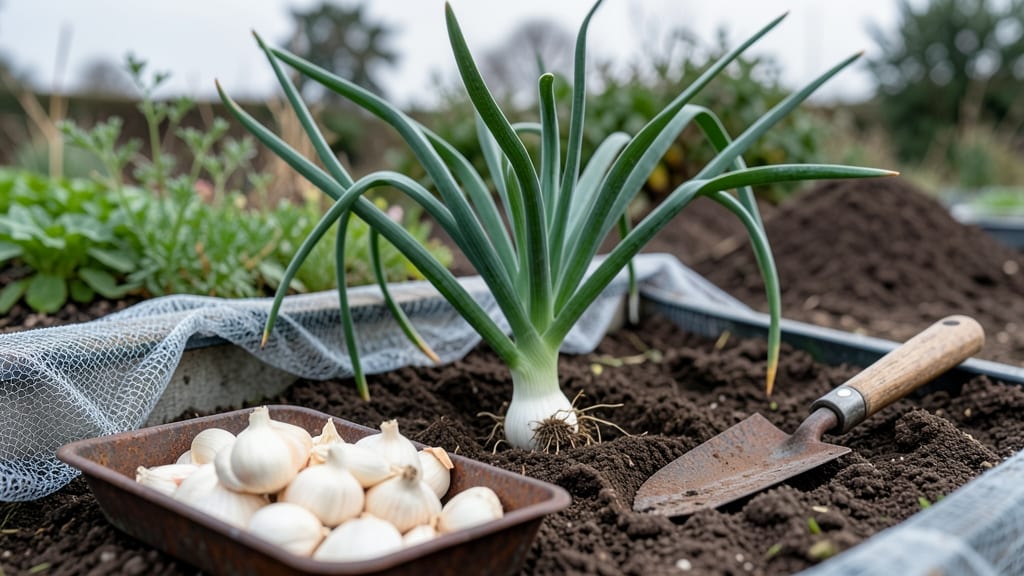
Timing garlic planting in Connecticut can make or break your harvest—get it wrong, and you risk losing your entire crop to frost before it even sprouts.
The 6a zone demands precision, especially when choosing between hardneck and softneck varieties, both of which thrive best when planted in fall rather than spring.
If you’ve ever wondered why some gardeners swear by October plantings while others wait until November, it’s all about avoiding those early frosts that can turn your cloves to mush.
I’ve tested both approaches in Connecticut’s climate, and the difference between a bumper crop and a total flop comes down to just a few weeks of careful planning.
In this guide, I’ll break down the exact planting windows for each garlic type, including how to adjust for Connecticut’s unpredictable frost patterns. You’ll also discover pro tips to shield your garlic from late-season freezes—because even the best-laid plans can go sideways when Mother Nature throws a curveball.
Whether you’re a first-time gardener or a seasoned grower, mastering this timing will ensure your 🧄 cloves develop into plump, flavorful bulbs ready for June harvest. Let’s get started.
Optimal planting windows for Connecticut garlic: hardneck vs softneck breakdown
Connecticut’s USDA Zone 6a climate creates a tight window for planting garlic—just 4-6 weeks before the ground freezes (typically by November 15). Timing isn’t one-size-fits-all, though. Hardneck and softneck varieties have different needs, and missing the mark can leave you with weak bulbs or total frost loss.
Most Connecticut gardeners swear by fall planting because it lets garlic establish roots before winter dormancy. But did you know hardneck garlic (like 'Music' or 'German White') actually needs cold exposure to form bulbs?
Softneck varieties ('Silverskin' or 'Artichoke') are more flexible but still thrive with early planting.
Here’s the critical difference: Hardneck garlic should go in the ground by mid-October to ensure it gets 40-60 days of chilling before spring. Softneck varieties can stretch until late October since they don’t require as much cold.
Planting too early risks premature sprouting, while waiting too long exposes cloves to frost heave.
🌱 Pro Tip: Use a soil thermometer to confirm ground temps are below 40°F but not frozen—ideal for root establishment without sprouting.
| Variety Type | Best Planting Window | Cold Requirement | Frost Risk | Connecticut Notes |
|---|---|---|---|---|
| Hardneck | Mid-October to early November | 40-60 days below 40°F | High (needs mulch) | Best for bulb formation; try 'German White' or 'Chef'. |
| Softneck | Late October to mid-November | Minimal cold needed | Moderate (less critical) | Good for storage; 'Silverskin' lasts 6+ months. |
Connecticut’s variable microclimates mean your neighbor’s perfect timing might not work for you. For example, coastal areas (like New Haven) often have milder winters, allowing a 2-week later planting window than inland Hartford.
Check your last frost date—most Connecticut gardens see it April 15, but coastal spots can delay until May 1.
If you’re unsure about your local frost patterns, use the National Weather Service’s frost maps or ask your local Cooperative Extension office. They’ll give you hyper-local advice that beats generic zone guides. For example, Litchfield County tends to freeze earlier than Fairfield County, so adjust accordingly.
Another key factor is soil drainage. Connecticut’s clay-heavy soils can trap moisture, leading to rotten cloves if planted too late. Amend beds with compost or sand to improve drainage before your October planting. Aim for well-draining soil with a pH of 6.0-7.0—garlic hates soggy feet!
🌿 Remember: Garlic planted in fall will harvest in late June or July of the following year. Spring planting is possible but yields smaller bulbs and is riskier in Connecticut’s climate. Save spring for green garlic harvests if you’re impatient!
For maximum bulb size, plant individual cloves (not whole bulbs) 2 inches deep and 4-6 inches apart. Space rows 12 inches apart to allow airflow and reduce disease risk. Connecticut’s humid summers mean circulation is key to preventing fungal issues like white rot.
Optimal planting windows for Connecticut garlic: hardneck vs softneck breakdown
Connecticut’s USDA Zone 6a climate creates a narrow window for garlic planting, where timing can make or break your harvest. Both hardneck and softneck varieties need to establish roots before winter dormancy, but their ideal planting dates differ slightly due to their growth cycles.
Hardneck garlic, prized for its flavorful bulbs and scape production, thrives when planted between mid-October and early November. This timing ensures roots form before the ground freezes, allowing the plant to survive winter and produce scapes in spring.
Softneck garlic, often used for braiding, prefers an earlier window of late September to mid-October to avoid late-season frost risks.
Here’s how to align your planting with Connecticut’s frost patterns to maximize success:
| Variety | Planting Window | Key Consideration | Connecticut Adjustment |
|---|---|---|---|
| Hardneck | Mid-October to Early November | Needs cold dormancy for scapes | Push to late October in northern CT to avoid early frost |
| Softneck | Late September to Mid-October | Sensitive to late frosts | Plant by October 15 in southern CT; earlier in northern areas |
| Both | Soil Temp: 40-50°F | Roots establish before freeze | Use soil thermometer to confirm timing |
For Connecticut gardeners, the last frost date (typically around November 15) acts as your deadline. Planting hardneck garlic too late risks stunted growth, while softneck planted too close to winter may not survive.
I’ve found that early October is the safest bet for both varieties, giving roots time to anchor before the ground hardens.
Local microclimates also play a role—gardens in Hartford may need to plant a week earlier than those in New Haven due to colder nights. Always check your last average frost date and adjust by 2-3 weeks for extra cushion.
One pro move I’ve adopted is planting a backup batch in late October for hardneck varieties, just in case early frosts hit unexpectedly. This ensures at least some cloves make it through winter for a reliable harvest.