
Planting
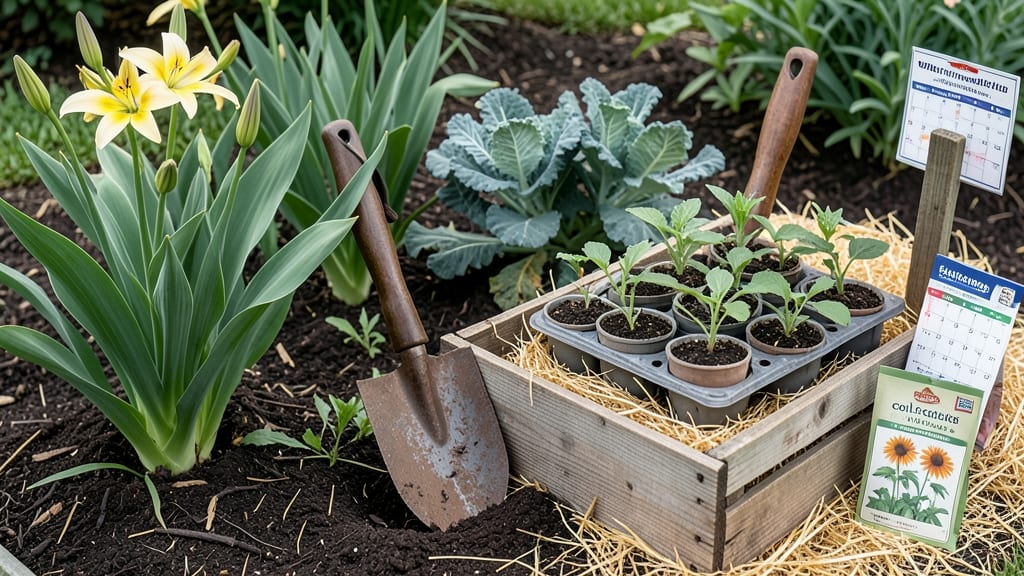
Timing your Minnesota garden planting can mean the difference between a thriving harvest and a frost-killed disappointment. The last-frost dates across the state vary dramatically—from early May in southern counties to late May in the north—so getting it right is everything.
I’ve seen firsthand how a few late nights with a frost blanket can save a garden, but even the most experienced gardeners need a reliable reference. Whether you’re planting cold-hardy greens in early spring or heat-loving tomatoes after the final frost, knowing your local window is the key to success.
This guide breaks down exactly when to plant in Minnesota—county by county—so you can avoid the guesswork. From hardy peas in chilly soil to late-season squash before the first frost, I’ll show you how to align your planting schedule with Minnesota’s unpredictable weather patterns.
Ready to grow with confidence? Let’s dive into the zero-risk planting times that will help you maximize your garden’s potential, no matter where you live in the North Star State.
Minnesota last-frost dates by county: exact timing for zero-risk planting
Minnesota's last frost dates vary dramatically from the southern border to the northern forests, creating a challenge for gardeners. In Zone 3 (northern MN), you might see frost as late as May 20-30, while Zone 5 (southern MN) typically warms up by May 5-15.
These dates determine when you can safely plant warm-season crops like tomatoes and peppers without risking damage.
For cold-hardy vegetables such as spinach and peas, you can plant 4-6 weeks before your last frost date. However, heat-loving plants like cucumbers and beans need the soil to stay consistently above 50°F (10°C) for at least 2 weeks.
This means waiting until after your last frost date for these varieties.
Below is a county-by-county breakdown of Minnesota's average last frost dates, based on 30-year historical data from the National Oceanic and Atmospheric Administration (NOAA). Use these dates to plan your spring planting schedule and avoid costly mistakes.
🌱
| County | USDA Zone | Avg. Last Spring Frost | Avg. First Fall Frost | Growing Season Length |
|---|---|---|---|---|
| Aitkin | 3b | May 20 - June 1 | September 20 - October 1 | 120 - 135 days |
| Anoka | 4b | May 10 - May 20 | September 25 - October 5 | 140 - 155 days |
| Becker | 3a | May 25 - June 5 | September 10 - September 20 | 110 - 125 days |
| Blue Earth | 4a | May 5 - May 15 | September 28 - October 8 | 145 - 160 days |
| Carver | 4b | May 10 - May 20 | September 25 - October 5 | 140 - 155 days |
| Cook | 2b | June 5 - June 15 | August 30 - September 10 | 90 - 105 days |
| Dakota | 4b | May 10 - May 20 | September 25 - October 5 | 140 - 155 days |
| Fillmore |
How to adjust planting dates for Minnesota’s unpredictable weather patternsMinnesota’s unpredictable frost patterns can leave gardeners scrambling when late frosts or early freezes strike. Even with last-frost dates, I’ve learned to adjust my planting schedule by 1-2 weeks earlier for northern counties and 1 week later for southern areas. This buffer accounts for those cold snaps that can devastate tender seedlings overnight. One of my go-to strategies is using frost blankets or row covers to protect young plants. These lightweight fabrics raise soil temperatures by 5-10°F and shield crops from light frosts down to 25°F. I’ve successfully extended my planting window by 2-3 weeks in my Zone 4b garden using these tools—especially for cold-sensitive crops like tomatoes and peppers. 🌱 5 Key Adjustments for Minnesota Gardeners
For late-season planting, I focus on fast-maturing crops like bush beans (50 days) or radishes (25 days). These can be sown as late as July 15th in most of Minnesota and still produce before first frost. I also prioritize cool-season crops like lettuce and carrots for late summer/early fall plantings, using succession planting every 2 weeks to maximize harvests. Another trick I swear by is soil warming. Black plastic mulch can raise soil temperatures by 10-15°F in just days, creating microclimates perfect for warm-season crops. I’ve seen cucumber vines start growing 2 weeks earlier in warmed soil—critical for our short growing season. Pair this with drip irrigation to maintain moisture without cooling the soil. Don’t forget about fall planting! Many gardeners overlook this, but hardy greens like kale and swiss chard thrive when planted in early September. These crops actually sweeten with frost, giving you a bonus harvest. I’ve had spinach survive until December with a thick layer of straw mulch—proof that Minnesota’s growing season can be longer than we think with the right strategies. Finally, I keep a garden journal to note when I plant, when frost hits, and which crops thrive. Last year, my Zone 3 garden had a May frost that delayed planting by 3 weeks, but my journal helped me adjust future years. The key is flexibility—what works one year may not the next, so stay adaptable! |