
Planting
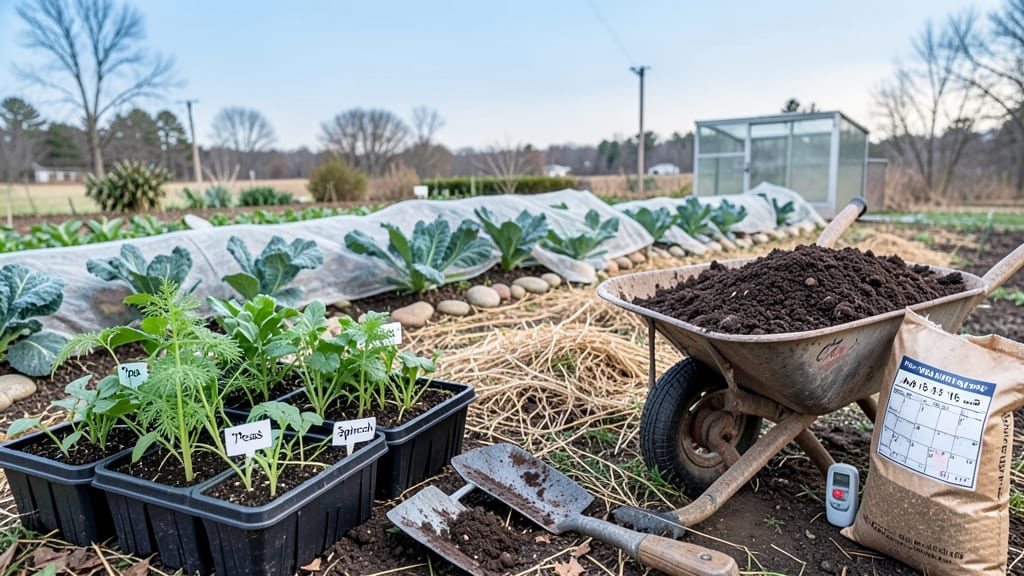
Figuring out when to plant garden in Maine can feel like solving a puzzle—especially when coastal Portland and inland Bangor have wildly different frost dates. One year, your neighbors might be harvesting tomatoes while you’re still waiting for the soil to thaw.
The key? Understanding your microclimate and planting at the right time to avoid frost damage.
Maine’s USDA Zones 5b-6a mean your growing season hinges on where you live. Coastal areas often see their last frost around May 15–June 1, while inland spots can face frost as late as May 15.
That’s why timing matters—plant too early, and a late frost wipes out your 🌱 General Garden Vegetables; too late, and you miss the short window for warm-season crops.
I’ve tested these strategies myself, and the difference is night and day. Whether you’re a first-time gardener or a seasoned pro, knowing exactly when to plant—plus how to extend your season—can mean the difference between a bountiful harvest and a disappointing one.
Let’s break it down so you can get it right the first time.
From cold-hardy greens to heat-loving tomatoes, I’ll walk you through the best planting windows, frost-proof tricks, and even how to read Maine’s unpredictable weather like a pro. Ready to turn your garden dreams into reality?
Maine’s frost-free dates by region: coastal vs inland planting windows
Maine’s last frost dates vary dramatically across its 160-mile coastline and inland valleys, creating a gardening puzzle. While coastal Portland may see its final frost around May 15–June 1, inland Bangor often waits until May 1–May 15.
This 2-week difference can mean the difference between thriving tomatoes and wilted seedlings.
Understanding these microclimates is critical. The Penobscot Bay region (like Camden) enjoys warmer coastal breezes, while Aroostook County in the north faces colder continental air. Even within USDA Zones 4b–5b, your elevation and proximity to water dictate when to plant.
For zero-frost-risk planting, warm-season crops like tomatoes and peppers should wait until after June 1 in most of Maine. However, cold-hardy greens can often go in as early as April 15–May 1, depending on your zone. Let’s break down the exact timing for your region.
| Region | Last Frost Date | First Frost Date | USDA Zone | Safe Planting Window |
|---|---|---|---|---|
| Coastal (Portland, Camden, Bar Harbor) | May 15–June 1 | September 20–October 5 | 5b–6a | April 15–June 15 (cold-hardy crops) |
| Central (Augusta, Waterville) | May 1–May 15 | September 10–September 25 | 4b–5a | May 1–June 10 (cold-hardy crops) |
| Northern (Bangor, Presque Isle) | April 25–May 10 | September 5–September 20 | 4a–4b | May 1–June 5 (cold-hardy crops) |
Dates based on 30-year averages; microclimates may vary.
If you’re in Zone 5b (coastal), you might plant cold-hardy crops like spinach as early as April 15, but tomatoes and peppers should wait until after June 1 to avoid frost. In Zone 4b (inland), even peas and lettuce may need to wait until late April.
For heat-loving crops, use soil thermometers—most need 50°F+ soil to germinate. Inland areas often see colder soils longer due to poor drainage and shorter daylight. Raised beds can help by warming up 2–3 weeks earlier than in-ground soil.
Pro tip: Track your local frost dates using Maine’s Climate Reanalysis or apps like Old Farmer’s Almanac. Historical data shows Portland’s last frost has ranged from May 5 to June 10—so don’t rely on averages alone!
A 30-day moving average of temps above 40°F is your best bet for safe planting.
Microclimates matter even within cities. A south-facing slope in Bangor might warm up 1–2 weeks earlier than a low-lying valley. If you’re unsure, start seeds indoors 6–8 weeks before your average last frost date to hedge your bets.
For container gardeners, timing is even trickier. Pots heat up and cool down faster than soil, so wait until after May 15 in most regions before moving tender plants outside. Harden off seedlings gradually to avoid shock from temperature swings.
Remember: Frost risk isn’t just about dates—it’s about soil temperature, wind exposure, and elevation. A 5,000-foot elevation gain in the Appalachian foothills can push frost dates back by 10 days or more. Always monitor weather forecasts and have row covers ready for late surprises.
Maine’s best early-season crops for high-success planting (before June 1)
If you’re planting before Maine’s last frost, focus on cold-hardy crops that thrive in 40–50°F soil. These varieties tolerate light frosts and even snow, giving you an early harvest edge.
My top picks? Spinach, peas, radishes, hardy lettuce, and kale—all of which I’ve grown successfully in USDA Zone 5b as early as April 15.
Timing is everything—plant too late, and you risk bolting (when greens turn bitter). Too early, and cold soil slows germination. The secret? Use a soil thermometer to confirm 45°F+ before sowing seeds directly. For extra insurance, cover seeds with row fabric until sprouts appear.
Here’s what you must know about each crop’s ideal planting window and maturity timeline to fit Maine’s short 140–160 frost-free days:
| Crop | Plant Window | Soil Temp | Days to Harvest | Frost Tolerance |
|---|---|---|---|---|
| Spinach | April 15–May 15 | 40–50°F | 30–50 days | Survives 28°F |
| Peas (sugar snap) | April 1–May 10 | 45–50°F | 60–70 days | Survives 25°F |
| Radishes | April 15–May 1 | 40–55°F | 25–30 days | Survives 20°F |
| Lettuce (butterhead) | April 15–May 1 | 40–50°F | 45–60 days | Survives 25°F |
| Kale (curly) | April 1–May 15 | 45–55°F | 50–60 days | Survives 15°F |
Pro tip: Plant radishes first—they germinate in 5–7 days, giving you a quick harvest to test your soil’s readiness. If radishes thrive, you know your spinach and peas will follow. For kale, succession plant every 2 weeks until June 1 to ensure a continuous supply.
Don’t overlook herbs like cilantro and parsley, which also handle cool weather. They’re perfect for container gardening if your ground stays too cold. Just remember: avoid planting warm-season crops (tomatoes, peppers, cucumbers) until after June 1, when soil temps hit 60°F+ consistently.
With these cold-hardy crops, you’ll have fresh greens on your table by late May or early June—just in time for Maine’s short but sweet growing season. 🌱