
Trees
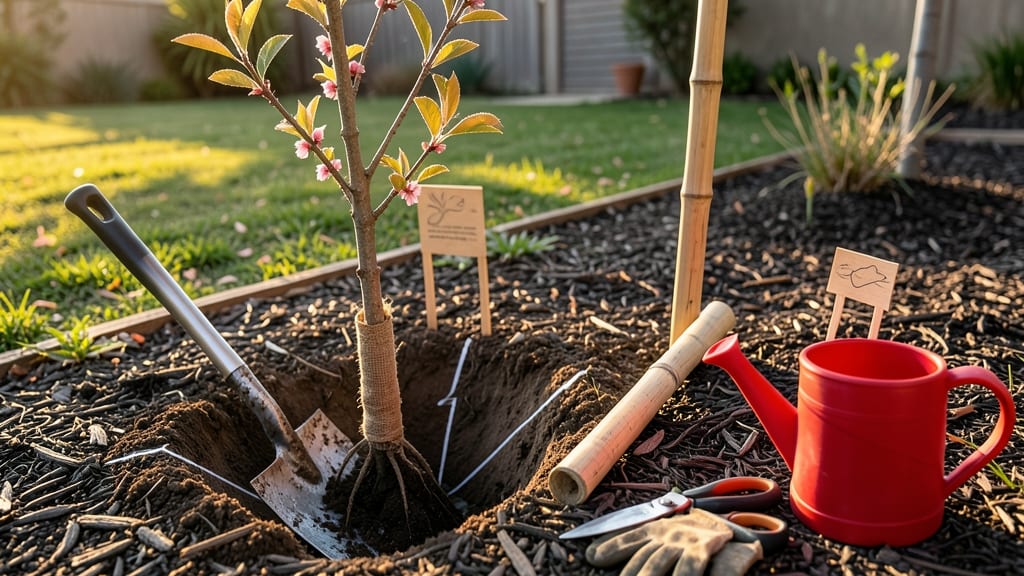
Timing your fruit tree planting in South Africa can make or break your harvest—get it wrong, and you’re staring at stunted growth or lost investments. With frost-prone highlands and subtropical coastlines, the perfect window depends entirely on where you live.
Most gardeners in 9a-10a zones swear by winter-to-early-spring planting (May-September), when soil cools and rainfall aligns with root establishment. But coastal areas like KwaZulu-Natal play by different rules—here, citrus and avocado thrive when planted in spring’s mild warmth (March-April).
I’ll break down the best months for your region, from frost-sensitive citrus to hardy peaches, plus how to adjust for soil, sun, and even last-minute frost risks. No more guesswork—just a guaranteed head start for your 🍎 orchard.
Ready to plant with confidence? Let’s dive into the exact timing that’ll have your trees fruiting faster—and your neighbors asking for tips.
South Africa’s best fruit tree planting months by region (climate breakdown)
South Africa’s climate varies dramatically from region to region, making timing critical for fruit tree success. The Highveld (like Johannesburg) experiences cold winters with frost, while KwaZulu-Natal enjoys subtropical warmth year-round. Even within provinces, microclimates—like coastal vs. inland areas—dictate the best planting windows.
For example, citrus trees thrive when planted in spring (August-October) in frost-free zones, but stone fruits like peaches need winter dormancy before spring planting.
Soil temperature is the most reliable planting cue—aim for 15°C+ (59°F+) at a 10cm depth. In summer-rainfall areas (e.g., Eastern Cape), plant in late winter (August-September) to avoid waterlogged soil.
Meanwhile, winter-rainfall regions (like the Western Cape) favor spring planting (September-November) when rains resume. Always check your last frost date: most fruit trees need 240 frost-free days to bear fruit.
🌱 South Africa’s Fruit Tree Planting Calendar by Region
| Region | Climate Type | Best Planting Months | Frost Risk | Soil Prep Tip |
|---|---|---|---|---|
| Highveld (Gauteng, Mpumalanga) | Temperate (cold winters) | Late August–September | High (May–August) | Add compost + mulch for frost protection |
| Western Cape (Cape Town) | Mediterranean (mild winters) | September–October | Low (rare frost) | Well-draining soil + windbreaks |
| KwaZulu-Natal (Durban) | Subtropical (warm year-round) | March–April (avoid summer) | None | Sandy loam + shade cloth for young trees |
| Eastern Cape (Port Elizabeth) | Summer-rainfall | August–September | Moderate (May–July) | Raise beds to prevent waterlogging |
💡 Pro Tip: Use a soil thermometer to confirm 15°C+ before planting—this ensures root growth isn’t stunted by cold soil.
In frost-prone areas like the Free State or Lesotho, plant bare-root trees in late winter (August) to give roots time to establish before frost hits. For coastal regions, avoid summer planting (November–February) when humidity and pests spike.
Instead, opt for early spring (September) when temperatures stabilize. Citrus varieties (e.g., oranges, lemons) are exceptions—they thrive when planted in winter (June–July) to establish before summer heat.
Microclimates play a huge role. For example, Johannesburg’s northern suburbs (warmer) can plant 1–2 months earlier than frost-prone Pretoria**. Similarly, Durban’s inland areas may experience cooler nights than the coast, delaying planting by 2–4 weeks.
Always scout your specific area: visit local agricultural extension offices or check SA Weather Service frost maps for precise timing.
Rainfall patterns also matter. In summer-rainfall zones (e.g., Limpopo), plant in late winter to align with the start of rains. In winter-rainfall areas (Western Cape), plant in spring when reservoirs are full. Drip irrigation is a game-changer for regions with unreliable rainfall—it ensures consistent moisture without overwatering.
For container-grown trees, plant in spring or autumn to avoid heat stress in summer.
Don’t overlook rootstock compatibility with your region. For instance, peach trees on Lovell rootstock handle frost better than those on Halford rootstock. Similarly, avocado trees need well-draining soil—sandy loam in KZN vs. clay-loam in Gauteng.
Always choose locally adapted varieties: Cara Cara oranges for Western Cape, White peaches for Highveld, and Sour sop for subtropical zones.
If you miss the ideal window, don’t panic. Container planting buys you 2–3 extra months to establish roots before transplanting. For late plantings, use mulch blankets (straw or wood chips) to insulate roots and shade cloth to reduce heat stress. In
How to adjust planting timing for fruit tree varieties (frost vs. heat tolerance)
Not all fruit trees thrive under South Africa’s diverse climates, so matching your variety to the planting window is critical. Citrus trees like oranges and lemons, for example, despise frost and should go into the ground between September and November when soil temperatures stay above 15°C (59°F).
Meanwhile, stone fruits like peaches and plums need winter chill hours—plant them in June or July in colder regions like the Free State to ensure proper dormancy.
Deciduous trees such as pears and apples are the most adaptable, tolerating late autumn to early spring planting (March–May). Their root systems establish well before summer heat arrives. Subtropical varieties like avocados and mangoes, however, demand warm soil—wait until October or November in coastal areas where frost is rare.
Even a 2°C (35°F) dip can stunt growth or kill young roots.
🍊 Subtropical Varieties (Citrus, Avocado, Mango)
🍐 Temperate Varieties (Peach, Pear, Apple)
Sep–Nov (soil >15°C)
None (coastal/subtropical)
Use drought-resistant rootstocks (e.g., Swingle for citrus).
Jun–Jul (cold regions) / Mar–May (mild)
High (needs winter chill).
Choose cold-hardy rootstocks (e.g., M9 for apples).
For heat-sensitive varieties like cherries, plant in late winter (August–September) to avoid summer stress.
In high-altitude areas (e.g., Drakensberg), delay planting until after the last frost (typically mid-October) to prevent root damage. Wind exposure also matters—protect young trees with windbreaks if planting near coastal regions where gusts can exceed 50 km/h (31 mph).
Pro tip: Check your local frost dates (available from the SA Weather Service) and plant 4–6 weeks before the first frost for temperate varieties. For subtropical trees, align planting with the start of the rainy season in your area to reduce irrigation needs.
For example, in KwaZulu-Natal, aim for October–November when summer rains begin.
If you’re in a transition zone (e.g., Eastern Cape), opt for hybrid varieties like cold-hardy citrus (e.g., ‘Eureka’ lemons) or heat-tolerant stone fruits (e.g., ‘Flordaprince’ peaches).
These adapt better to unpredictable microclimates where frost and heat can occur in the same season. Always amend soil with organic matter to improve drainage—critical for frost-prone roots.
Finally, mulch heavily (10–15 cm of straw or wood chips) after planting to regulate soil temperature. In frost-prone areas, use black plastic mulch to absorb heat during the day and release it at night. For heat-sensitive trees, shade cloth during the first summer can reduce transplant shock by 30%.