
Trees
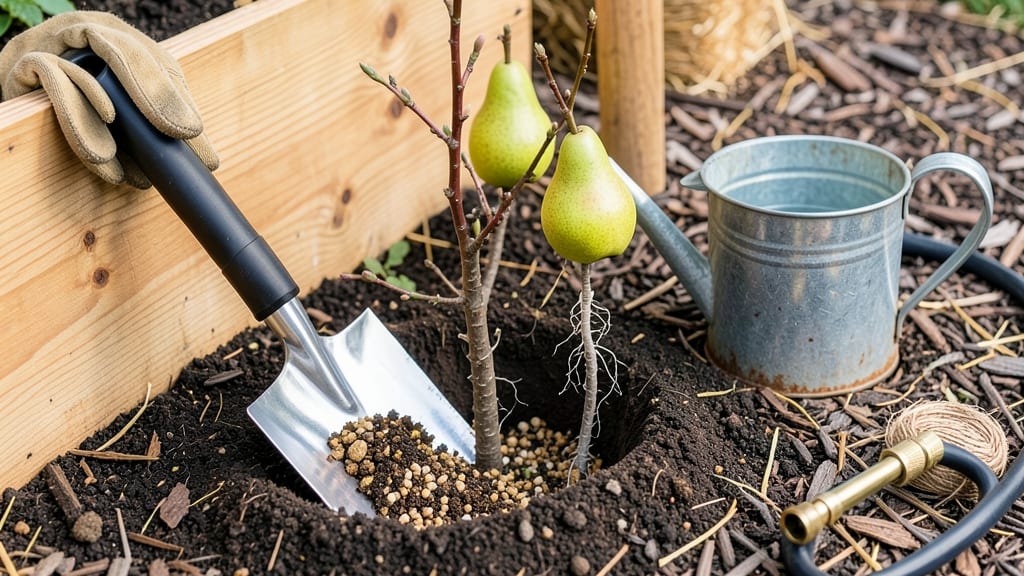
Timing your fruit tree planting in BC could mean the difference between a lush orchard and a sad, struggling sapling—especially with the province’s wild swings from coastal mildness to Interior freezes.
Whether you're in Vancouver’s Zone 6 or the Okanagan’s Zone 4, getting the window right isn’t just about the calendar; it’s about matching your tree’s chill-hour needs with BC’s unpredictable frost patterns.
I’ve seen too many gardeners rush planting because they missed the spring window, only to watch their trees struggle through early frosts. The key? Understanding your local chill-hour zone and soil temperature—both of which can shift dramatically between BC’s regions.
Let me break down exactly when to plant, from bare-root saplings to containerized trees, so you can avoid costly mistakes.
What you’ll discover here are the ideal planting months for your specific zone, plus frost-proof strategies tailored to BC’s microclimates. We’ll cover soil prep, spacing, and post-planting care to ensure your trees thrive—no matter if you’re in the rainy coastal belt or the sunbaked Interior. Ready to plant with confidence?
By the end, you’ll know not just when to plant, but how to adjust for BC’s quirks—like warming soil faster in cold zones or choosing varieties that handle late frosts. Let’s get those fruit trees growing strong!
BC fruit tree planting calendar by chill-hour zones
British Columbia’s three chill-hour zones (Zone 1-3) dictate when you can plant fruit trees without risking frost damage. Zone 1 (Okanagan, Interior) needs 900+ chill hours, while Zone 3 (coastal areas like Vancouver) thrives with 500-700 hours.
Choosing the wrong zone can leave your trees struggling—even if planted at the "right" time.
Most bare-root fruit trees should go in the ground late winter to early spring (February-March), when soil is workable but before buds swell. Containerized trees, however, are more flexible and can plant until fall’s first frost.
Let’s break down the exact windows for each zone, so you don’t miss your chance.
🌱
| Zone | Chill Hours | Best Planting Months | Soil Temp Goal | Key Varieties |
|---|---|---|---|---|
| Zone 1 (Interior) | 900+ | Feb–March (bare-root), May–June (container) | 50°F (10°C) | Apples, Cherries, Pears |
| Zone 2 (Transition) | 700–900 | March–April (bare-root), April–May (container) | 45°F (7°C) | Peaches, Plums, Apricots |
| Zone 3 (Coastal) | 500–700 | April–May (bare-root), May–June (container) | 40°F (4°C) | Blueberries, Raspberries, Figs |
🌡️ Pro Tip: Use BC’s AgriClimate map to check your exact chill hours.
For bare-root trees, aim to plant before buds break—usually February-March in Zone 1 and April-May in Zone 3.
These trees are dormant and establish roots quickly in cool soil. Containerized trees, however, can handle warmer soil and often plant until June, giving you more flexibility if winter planting slips.
Soil temperature matters just as much as the calendar. Use a soil thermometer to confirm it’s reached 40°F (4°C) for Zone 3 or 50°F (10°C) for Zone 1 before planting.
Cold soil slows root growth, leaving trees vulnerable to stress. I’ve seen gardeners in the Okanagan rush planting in January only to watch their roots freeze—don’t make that mistake!
🌿
Evergreen fruit trees like figs and kiwis follow a different rhythm. They thrive in Zone 3’s milder winters and can plant as late as June, but avoid fall planting—they’re not frost-hardy.
Deciduous trees (apples, cherries) are your best bet for Zone 1 and 2, where chill hours are critical for fruit production.
If you’re unsure about your chill hours, check BC’s AgriClimate map or contact your local agricultural extension office. They’ll confirm whether your microclimate leans toward Zone 2 or 3, which can shift planting windows by weeks.
For example, Kelowna (Zone 1) might plant apples in February, while Vancouver (Zone 3) waits until April.
📅
Proper timing also depends on tree size. Dwarf varieties (3-6 ft tall) establish faster and can handle slightly later plantings, while standard trees (12+ ft) need the full winter to root deeply.
I recommend dwarf trees for small yards—they fruit sooner and adapt better to BC’s short growing seasons.
Finally, late fall planting (October-November) is risky but possible in Zone 3 for frost-tolerant varieties like apples and pears. Just ensure the ground isn’t frozen and mulch heavily to insulate roots. I’ve had success with this method in Victoria’s mild climate, but it’s a gamble in colder areas.
Frost-proof planting strategies for BC’s coastal vs. Interior regions
BC’s microclimates can feel like two different planets—Vancouver’s coastal fog versus the Okanagan’s sunbaked valleys. These differences mean your planting window and frost protection strategies must shift dramatically.
For example, coastal areas like Victoria may have earlier frost-free dates (as early as March), while Interior regions like Kelowna often wait until late April or May.
To navigate this, I always check the BC AgriClimate map for my specific area. This tool shows your last frost date and chill-hour accumulation, which are critical for choosing the right fruit tree varieties.
For instance, apple trees in the Okanagan need 800+ chill hours, while coastal cherry trees might thrive with just 500-600 hours.
Here’s how to adjust your planting timing based on BC’s regions:
| Region | Ideal Planting Window | Frost Risk | Soil Prep Tip |
|---|---|---|---|
| Coastal (Vancouver, Victoria) | Early March–April (bare-root) or April–May (containerized) | Late frosts possible until May | Use black plastic mulch to warm soil faster |
| Interior (Okanagan, Kamloops) | Late April–May (after last frost) | Early spring frosts common | Plant on south-facing slopes for warmth |
| Northern (Prince George, Quesnel) | May–June (soil must be 10°C/50°F) | Frost risk extends into June | Use row covers for early planting |
For coastal areas, I recommend planting bare-root trees as soon as the soil is workable (around March), but always have row covers ready for unexpected late frosts.
In the Interior, wait until the last frost date has passed—typically mid-May—and choose varieties like Honeycrisp apples or Starking Delicious, which handle heat better.
One trick I swear by is soil warming. In cooler zones, lay down black plastic mulch 2-3 weeks before planting to raise soil temperatures by 5-10°C. This gives your tree’s roots a head start and reduces frost sensitivity.
For containerized trees, plant them slightly deeper than their pot to protect the graft union from temperature swings.
Finally, always have a frost watch plan. Sign up for Environment Canada alerts in your area, and keep frost cloths or sprinklers on hand. A light frost can kill new growth, but with the right prep, your fruit trees will establish strong roots before summer heat sets in.