
Flowers
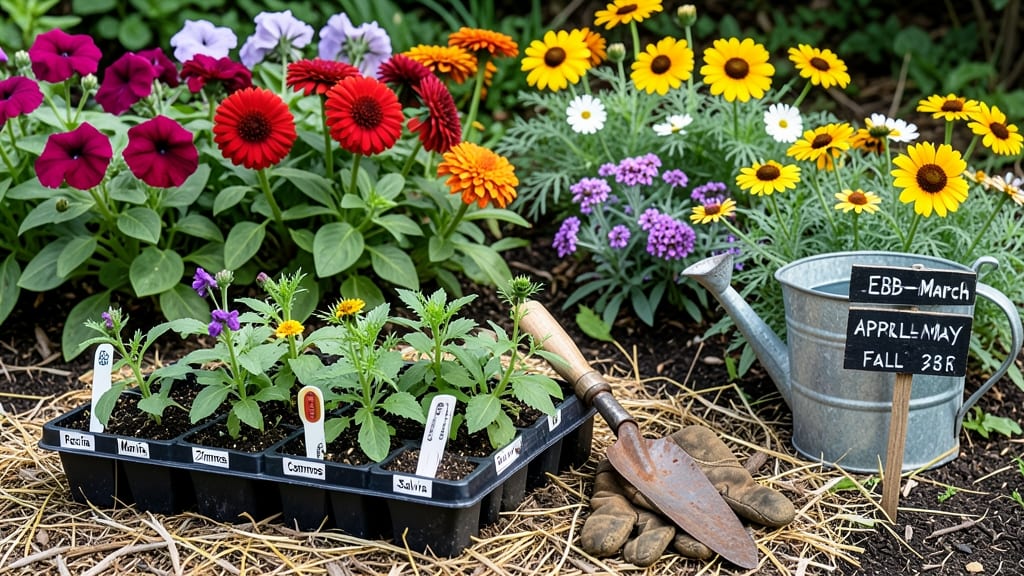
When to plant flowers in North Texas just right means the difference between a vibrant garden and a sad, wilted disappointment. Whether you're dreaming of spring blooms or fall color, getting those seeds in the ground at the wrong time can leave you frustrated—and that’s why I’m sharing the exact windows you need to know.
With USDA zones 7b-8a and unpredictable weather, North Texas gardeners face unique challenges. Frost can sneak in as late as mid-March, while summer heat arrives earlier than you’d expect.
But here’s the good news: by planting at the right time—like September-October for fall blooms—you can outsmart the climate and enjoy flowers that thrive year-round.
I’ll break down the best months for annuals, perennials, and heat-lovers like lantana, so you can skip the guesswork. Plus, I’ll share pro tips for soil prep and watering to keep your 🌸 flowers happy no matter what Mother Nature throws your way. Let’s get those blooms growing!
Ready to transform your garden? The secret starts with the calendar—and I’ve got the perfect schedule for North Texas. Let’s dive in.
North Texas frost zones & best planting months by flower type
North Texas spans USDA zones 7b-8a, where last frost typically hits mid-March and first frost arrives in late November. This 210-240 frost-free day window creates two prime planting seasons: fall (September-October) for cool-season blooms and spring (March-April) for heat-lovers.
But not all flowers thrive in this climate—some need earlier starts indoors, while others demand summer heat to bloom.
Your planting timeline depends on the flower type. Annuals like marigolds and zinnias can handle direct sowing after last frost, while perennials like black-eyed Susans need established roots before summer’s intensity.
Bulbs? Plant fall crocuses in October-November for spring surprises. Let’s break it down by category so you never miss a bloom.
🌱 Key Takeaway: North Texas’ short growing season means cool-season flowers (like pansies) must go in September-October, while heat-tolerant varieties (like lantana) wait until April-May.
🌸 North Texas Flower Planting Guide by Type
| Flower Type | Best Planting Months | Notes |
|---|---|---|
| Cool-Season Annuals (Pansies, Snapdragons, Sweet Alyssum) | September-October (6-8 weeks before last frost) | Thrive in 50-65°F soil; avoid summer heat |
| Heat-Tolerant Annuals (Lantana, Salvia, Zinnias) | April-May (after last frost) | Need 70-90°F to bloom; drought-resistant |
| Perennials (Coneflowers, Black-Eyed Susans, Daylilies) | September-October or March-April | Establish roots before summer heat or winter frost |
| Bulbs (Tulips, Daffodils, Crocuses) | October-November (fall) or January-February (spring) | Plant 6-8 weeks before ground freezes for spring blooms |
| Summer-Blooming Perennials (Mexican Sunflower, Turk’s Cap) | March-April (direct sow) or February indoors | Handle 100°F+ temps; low-water needs |
For cool-season flowers, aim to plant 6-8 weeks before your last frost date. In North Texas, that’s typically September 15-October 15 for pansies or sweet peas.
Use a row cover to protect young seedlings from unpredictable late frosts—I’ve lost entire beds of snapdragons to a 28°F night in early November!
If you’re growing heat-loving annuals like lantana or salvia, wait until after April 15 (when soil temps hit 60°F+). These plants wilts under 50°F, so rushing them risks stunted growth. Pro tip: Start lantana indoors in February for a jumpstart on summer color.
Perennials like black-eyed Susans or coneflowers are the low-maintenance MVPs of North Texas gardens. Plant them in early spring (March-April) or fall (September-October)—they’ll reward you with years of blooms with minimal fuss. Just deadhead spent flowers to encourage reblooming.
Bulbs deserve special attention. Fall-planted bulbs (like tulips) need 6-8 weeks of chill before spring blooms. In North Texas, that means October-November planting. For spring-planted bulbs (like dahlias), start them indoors in February and transplant after last frost.
Don’t forget succession planting! In North Texas, you can stretch your blooms by planting fast-growing annuals like zinnias every 4-6 weeks from April to July. This keeps your garden bursting with color all summer long.
🌿 Action Tip: Mark your calendar for September 15 and March 15—these are your two golden windows for planting most flowers in North Texas. Miss them, and you’ll either fight frost or battle summer heat.
How to adjust planting times for North Texas microclimates
North Texas isn’t one-size-fits-all—your neighbor’s perfect planting window might be a disaster for your yard. Microclimates like urban heat islands, elevated areas, or windy plains can shift frost dates by weeks.
Understanding these nuances lets you plant with confidence, even when the last frost date feels like a moving target.
For example, Dallas’ downtown urban heat island can be 10°F warmer than nearby suburbs, delaying frost. Meanwhile, hilltop gardens in Denton may experience frost 2-3 weeks earlier than valley gardens. Adjusting your schedule by just a few weeks can mean the difference between thriving blooms and frost-nipped failures.
Here’s how to fine-tune your planting calendar for North Texas’ most common microclimates:
Urban Heat Islands (Cities)
Push spring planting 2-3 weeks later (late April instead of March) due to delayed cooling. Use shade cloth for heat-sensitive cool-season flowers like pansies.
Elevated Areas (Hills/Ridges)
Plant cool-season flowers 3-4 weeks earlier (late February) since frost lingers longer. Use row covers for fall-planted bulbs like tulips.
Wind-Swept Plains (Lubbock)
Delay spring planting until mid-April to avoid wind damage. Use windbreaks (like tall grasses) to protect delicate annuals like cosmos.
North-Facing Yards (Shade)
Extend fall planting until November for shade-tolerant perennials like black-eyed Susans. Use reflective mulch to warm soil.
South-Facing Slopes (Sun)
Plant heat-lovers like lantana in March—soil warms faster here. Add mulch to retain moisture for summer-blooming annuals.
Pro tip: Test your microclimate’s frost risk by placing a frost-sensitive plant (like basil) in your garden. If it survives overnight temps below 32°F, you’re in a milder zone than the official forecast.
For fall planting, use cold frames to extend your window into November, letting cool-season flowers establish roots before winter. Just remember—soil warming (like black plastic mulch) can push spring planting 2 weeks earlier in cold microclimates.
Adjusting for microclimates isn’t just about timing—it’s about giving your flowers the edge they need to thrive in North Texas’ unpredictable weather. Start with these tweaks, and soon you’ll be the gardener everyone asks for advice!