
Flowers
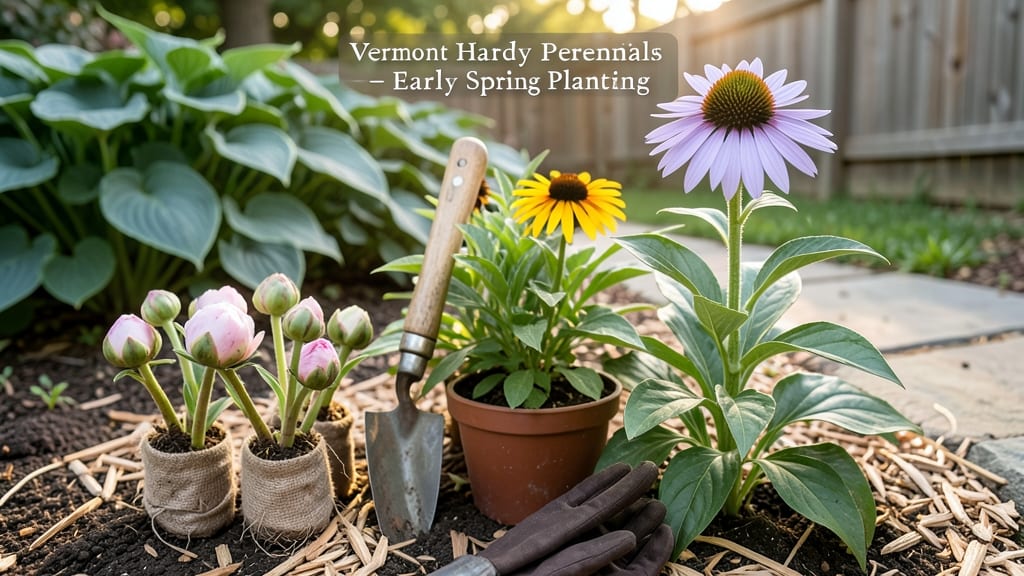
Timing your flower planting in Vermont isn't just about the calendar—it's about beating the unpredictable frosts that can turn your garden dreams into a sad, frostbitten mess.
With USDA Zones 3-4 and late spring frosts, knowing the exact windows for annuals, perennials, and bulbs is the key to vibrant blooms all season.
I've spent years growing 🌱 flowers in Vermont and learned that the difference between a thriving garden and a struggle often comes down to planting at the right moment. Whether you're a seasoned gardener or just starting, mastering these frost-free dates will save you time, money, and frustration.
In this guide, I’ll break down Vermont’s planting schedule by zone, including when to prep soil, which flowers thrive in cool vs. warm seasons, and how to adjust for those tricky late frosts. You’ll discover actionable steps to ensure your garden blooms beautifully—no guesswork required.
Ready to transform your yard into a colorful escape? Let’s dive into the perfect planting times for your Vermont garden and make this your best growing season yet.
Vermont’s frost-free planting calendar: exact dates for annuals, perennials & bulbs
Vermont’s Zone 4-5 climate demands precise timing for flower planting—one late frost can wipe out tender seedlings. The key is aligning your planting schedule with average last frost dates (typically May 10-20) while accounting for Vermont’s infamous late spring freezes.
I’ve broken down the best planting windows for annuals, perennials, and bulbs to maximize bloom potential.
For cool-season flowers like pansies and snapdragons, start seeds indoors in March or plant outdoors in early April—they tolerate light frosts. Warm-season favorites (like zinnias and marigolds) need to wait until after May 15, when soil temperatures hit 55°F+.
Perennials like coneflowers and black-eyed Susans can handle early spring planting (April 1), but tender bulbs (dahlias, cannas) must wait until mid-June.
| Plant Type | Ideal Planting Window | Soil Temp | Notes |
|---|---|---|---|
| Annuals (cool-season) | Early April – Late May | 40°F–50°F | Hardy to light frost; mulch for protection. |
| Annuals (warm-season) | After May 15 (soil 55°F+) | 60°F+ | Use row covers for late frosts. |
| Perennials | Early April – Early June | 45°F–60°F | Establish roots before summer heat. |
| Spring Bulbs | September – October | 50°F–60°F | Plant 6 weeks before first frost. |
| Tender Bulbs | Mid-June – Early July | 65°F+ | Dig up before first frost. |
Pro tip: Use Vermont’s Frost-Free Date Map from the UVM Extension to adjust for your specific microclimate. For example, Burlington’s last frost averages May 5, while Bennington’s is closer to May 20.
I recommend planting hardy annuals like sweet alyssum 2 weeks earlier in northern Vermont to account for delays.
Don’t overlook fall planting for bulbs like tulips and daffodils. These need 6–8 weeks of chilling, so plant them in October (after soil cools to 60°F). For winter-hardy pansies, sow seeds in late summer to enjoy early spring blooms without competing with weeds.
If you’re unsure about frost dates, use biodegradable row covers to extend your planting window by 2–3 weeks. For heat-loving flowers like sunflowers, wait until late May when nighttime temps stay above 50°F. I’ve had zinnias bolt in early plantings, so patience pays off!
For container gardening, start warm-season flowers indoors in April and transplant after last frost. This gives you a 2-week head start on garden beds. Just ensure containers have drainage holes—Vermont’s heavy rains can drown roots faster than you’d think.
Track your garden’s progress with a planting journal. Note when you plant, any frost occurrences, and bloom times. Over 3 years, you’ll spot patterns in your yard’s microclimate. For instance, my south-facing slope warms up 10 days earlier than the north side!
Remember: Soil temperature matters more than air temperature. Use a soil thermometer to confirm readiness—50°F for cool crops, 60°F+ for warm-season flowers. If your soil is cold, wait or use black plastic mulch to warm it faster.
Finally, don’t rush! Rushing leads to leggy, weak plants. Wait for consistent warmth and stable conditions before planting. A week of 60°F+ days is better than a single warm day followed by frost. Your flowers will thank you with vibrant, long-lasting blooms all season.
Best flowers to plant in Vermont by season: cool vs. warm season varieties
Vermont’s short growing season demands smart flower choices—some thrive in cool spring soil while others need summer warmth to bloom.
I’ve curated top-performing flowers for each planting window, ensuring vibrant displays from May through October. Cool-season flowers like pansies and sweet peas handle Vermont’s chilly springs, while warm-season varieties like zinnias and marigolds wait for June’s heat.
For spring planting (April-May), focus on hardy annuals and perennials that tolerate light frosts. My go-to list includes viola (pansies), calendula, and lupine—all of which bloom early and handle Vermont’s Zone 4-5 frosts like champions. These plants also self-seed, giving you free blooms next year!
Summer lovers like zinnias and cosmos need to wait until after Memorial Day (mid-May) when soil temps hit 55°F+. I’ve planted black-eyed Susans in my garden—they’re drought-tolerant and thrive in Vermont’s hot, humid July days.
For late summer color, dahlias planted in June reward you with bold blooms through frost.
| Season | Best Flowers | Planting Time | Bloom Time |
|---|---|---|---|
| Spring | Viola (Pansies), Calendula, Lupine | April-May | May-June |
| Summer | Zinnias, Cosmos, Black-Eyed Susans | Mid-May-June | June-Sept |
| Fall | Marigolds, Snapdragons, Asters | July-Aug | Sept-Oct |
| Perennials | Coneflowers, Daylilies, Peonies | April-May | June-Sept |
Don’t overlook fall planting (July-August) for late-season color! Marigolds and asters planted in early July give you cheerful blooms through October. I’ve also had great luck with snapdragons—they handle Vermont’s early September frosts surprisingly well when given a mulch blanket.
For perennial powerhouses, plant coneflowers and daylilies in spring—they’ll return year after year with minimal care. My peony bushes planted in May now produce football-sized blooms every June, proving perennials are Vermont’s secret weapon for low-maintenance beauty.
Pro tip: Pair cool-season flowers with warm-season varieties for continuous blooms. For example, plant pansies in April alongside zinnias in June—your garden will never look bare! Just remember: Vermont’s frost dates vary, so always check your local USDA Zone 4-5 averages before committing to planting dates.