
Flowers
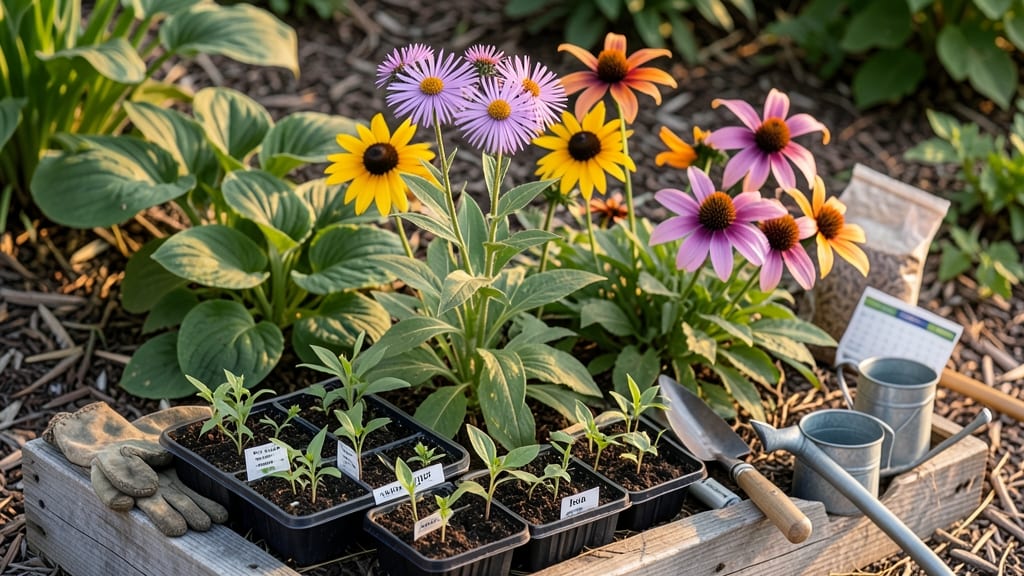
Timing your flowers planting in New Hampshire isn’t just about checking a calendar—it’s about dodging frost traps that can turn your garden dreams into a sad, frozen memory.
With USDA zones 5a-6b and unpredictable spring weather, getting the timing wrong by even a week means risking frost damage or stunted growth. But here’s the good news: I’ve cracked the code for microclimate-specific deadlines that work for NH’s coastal breezes, inland valleys, and mountain slopes.
Whether you’re dreaming of 🌸 daffodils peeking through snow or vibrant petunias brightening your porch, the key is planting at the right moment—after the last frost but before the soil gets too warm.
I’ll walk you through the exact windows for annuals, perennials, and bulbs, so you can avoid the common mistakes that leave gardens looking half-hearted. No more guessing—just science-backed timing that guarantees blooms, not busts.
Let’s start with the basics: NH’s frost dates shift yearly, but knowing the average last frost window (around May 15) gives you a solid starting point.
From there, I’ll show you how to adjust for your specific corner of the state—whether you’re in the cooler coastal areas or the warmer inland valleys. You’ll also discover which flowers are the most forgiving (like hardy pansies) and which need precise timing (like heat-loving zinnias).
Ready to transform your garden into a zero-frost-failure showstopper? By the end of this guide, you’ll have a personalized planting schedule that accounts for NH’s quirks, so your flowers don’t just survive—they thrive. Let’s get those blooms in the ground at the perfect moment.
New Hampshire frost zones & best planting months by region
New Hampshire spans USDA Hardiness Zones 4a-6a, meaning frost dates vary dramatically—from late April in coastal Portsmouth to mid-June in the White Mountains. These differences create microclimates where planting too early in the north could kill seedlings, while coastal gardeners might miss the boat by waiting too long.
The key? Knowing your local last frost date and adjusting for elevation and proximity to water bodies.
For most of NH, the average last frost date falls between May 1-15, but inland valleys (like the Connecticut River) can see frost as late as May 30. Coastal areas like Dover or Hampton often warm up by April 20-30.
Mountains above 2,000 feet (e.g., Mount Washington) may not be frost-free until June 15. Always check UNH Cooperative Extension’s frost calendar for your specific town.
🌱 Pro Tip: Use NH’s "10-year frost trend data" from the National Oceanic and Atmospheric Administration (NOAA)—frost-free seasons are now 10-14 days longer than in the 1980s due to climate change. Adjust your planting dates accordingly!
🌿 NH Planting Deadlines by Region & Flower Type
| Region | Last Frost Date | Best Planting Window | Frost-Tolerant Annuals | Warm-Season Annuals |
|---|---|---|---|---|
| Coastal (Portsmouth, Dover) | April 20-30 | April 15-May 10 | Pansies, Snapdragons | Zinnias, Marigolds (after May 15) |
| Southern NH (Concord, Manchester) | May 1-15 | April 25-May 20 | Violas, Sweet Alyssum | Petunias, Geraniums (after May 10) |
| Northern NH (Laconia, White Mountains) | May 15-30 | May 10-June 1 | Calendulas, Stock | Sunflowers, Cosmos (after June 1) |
| Valleys (Connecticut River) | May 10-25 | May 1-May 20 | Lobelia, Primrose | Begonias, Impatiens (after May 15) |
Perennials and bulbs have different rules.
Plant spring-blooming bulbs (daffodils, tulips) in fall (October-November) so they establish roots before winter. Hardy perennials (coneflowers, black-eyed Susans) can go in early spring (April) or fall (September-October) for best survival. Tender perennials (canas, dahlias) wait until after your last frost date—usually mid-May or later.
For fall planting, aim for August-September to give flowers time to establish before winter. Cool-season annuals (pansies, calendulas) thrive when planted 6-8 weeks before your first frost (typically late July-August in NH). 🌷 Warning: Planting warm-season annuals (tomatoes, peppers) too early? They’ll bolt or rot in cold soil.
Use NH’s "Frost-Free Season Map" from the NH Department of Agriculture to pinpoint your exact zone. For example, Lake Winnipesaukee areas often have 2-3 weeks earlier last frost dates than nearby inland towns due to lake-effect warming.
Adjust your seed starting dates indoors accordingly—most flowers need 6-8 weeks of indoor growth before transplanting.
If you’re unsure, test your soil temperature with a soil thermometer. Flowers like petunias and marigolds need soil at 55°F+, while cool-season crops (pansies, lettuce) tolerate 40°F+. 💧 Watering tip: Keep soil moist but not soggy—overwatering cold soil can cause root rot.
For container gardens, remember: pots warm up 3-5°F faster than in-ground soil
How to adjust planting dates for NH’s unpredictable weather patterns
New Hampshire’s weather can be as unpredictable as a toddler’s mood—one day it’s warm enough to plant, the next, frost sneaks in like an uninvited guest. But don’t let that stop you! With the right strategies, you can extend your planting window by weeks, even months, without risking frost damage.
The key is understanding how to work with NH’s microclimates and using tools like row covers or cold frames to give your flowers a fighting chance.
First, let’s talk about soil temperature—it’s your best friend when planning. Most flowers need soil that’s at least 50°F before you plant. In NH, this usually aligns with mid-to-late May, but if you’re in a warmer inland valley, you might hit that mark by early May.
Use a soil thermometer (just $10 at any garden center) to check before committing. Pro tip: Morning soil temps are often cooler, so take readings in the afternoon for accuracy.
Here’s where row covers become your secret weapon. These lightweight fabrics (like frost blankets) can push back frost dates by 2-4 weeks, giving you more time to plant. For example, if your last frost is usually May 15, a row cover might let you plant hardy annuals like pansies or snapdragons as early as mid-April. Just
🌱 Extend Your NH Planting Window With These Pro Tips
- 1. Use row covers to plant 2-4 weeks earlier—ideal for cool-season flowers like pansies or calendula.
- 2. Start seeds indoors (6-8 weeks before last frost) for warm-season bloomers like zinnias or marigolds.
- 3. Try cold frames to create a microclimate> for early spring bulbs like tulips or daffodils.
- 4. Plant frost-tolerant varieties (e.g., snapdragons, sweet peas) 2 weeks before your average last frost.
- 5. Monitor NH’s 10-year frost trends—coastal areas (like Portsmouth) frost later than inland spots (like Concord).
If you’re planting warm-season flowers (think zinnias, petunias, or sunflowers), you’ll need to sow seeds indoors 6-8 weeks before your last frost date. For most of NH, that means starting them in late March or early April. Use grow lights to supplement natural light, and harden off seedlings for a week before transplanting. This way, you’ll have robust, frost-resistant plants ready to hit the garden as soon as the soil warms up.
Don’t overlook fall planting—it’s a game-changer for NH gardens! Many flowers, like pansies, calendula, and asters, thrive when planted in late August to early September. These cool-season bloomers love the crisp air and will keep flowering well into November or even December if protected.
Just aim to plant them 6-8 weeks before your first frost (usually mid-October) to give roots time to establish before winter.
Finally, keep an eye on NH’s frost trend data—the last 10 years show that coastal areas (like Seabrook or Rye) frost 1-2 weeks later than inland spots (like Manchester or Lebanon).
Use this to your advantage: if you’re near the coast, you can plant a little later without risk. For inland gardeners, err on the side of caution and wait until May 20 or later for warm-season flowers. With these adjustments, you’ll maximize your blooms and minimize frost-related heartbreak.
Now that you’ve got the tools to beat NH’s weather, your garden is ready for a long, vibrant season—no frost failures in sight! 🌸