
Flowers
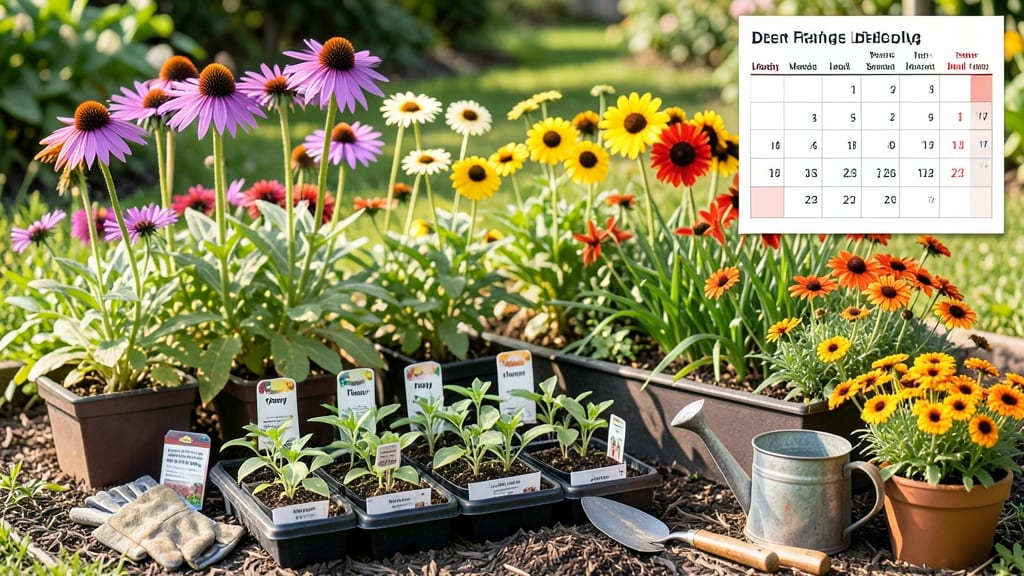
Timing your flower planting in Delaware could mean the difference between a garden bursting with vibrant 🌸 blooms and one that barely makes it through summer. The state’s unique mix of coastal breezes and inland warmth creates planting windows that shift dramatically from New Castle to Sussex County.
If you’ve ever wondered why your neighbor’s garden thrives while yours struggles, the answer likely lies in understanding Delaware’s USDA 7a-7b zones and microclimates. Coastal areas like Rehoboth Beach face later frost dates, while inland spots near Dover can plant earlier—sometimes as much as 2-3 weeks apart.
Getting this right ensures your flowers establish strong roots before summer heat arrives.
I’ll break down the ideal planting months for annuals, perennials, and bulbs, plus pro tips to extend your blooming season. Whether you’re a first-time gardener or a seasoned green thumb, these insights will help you avoid common mistakes and enjoy a garden that looks like a postcard all season long.
Ready to transform your yard into a colorful haven? Let’s dive into Delaware’s planting calendar—where timing isn’t just about the calendar, but about knowing your county’s unique growing rhythm.
Delaware flower planting calendar by County: coastal vs. inland timing differences
Delaware’s three counties—New Castle, Kent, and Sussex—have distinct planting windows due to coastal influences and inland warmth. The last spring frost typically arrives by April 15 in inland areas, but coastal regions like Rehoboth Beach can wait until mid-May due to lingering cold air.
Understanding these differences ensures your flowers thrive without frost damage.
In New Castle County, where USDA Zone 7a dominates, gardeners can start planting cool-season annuals like pansies as early as March 1. By contrast, Sussex County, especially near the coast, may delay planting until April 15 to avoid late frosts that can devastate tender blooms.
Kent County falls somewhere in between, with a March 15 target for most spring plantings.
For fall planting, the first frost usually hits around November 1 inland but can arrive earlier (late October) in coastal areas.
This means perennials and bulbs should be planted by September 15 in Sussex County, while New Castle County gardeners have until October 1 to get them in the ground.
Here’s how microclimates affect your planting schedule:
| County | Spring Planting Window | Fall Planting Window | Key Microclimate Note |
|---|---|---|---|
| New Castle | March 1 - April 15 | September 1 - October 1 | Inland warmth; last frost by April 15 |
| Kent | March 15 - April 1 | August 30 - September 15 | Moderate climate; transitional zone |
| Sussex (Coastal) | April 15 - May 1 | August 15 - September 1 | Cooler coastal air; delay planting until late April |
If you’re planting bulbs like tulips or daffodils, aim for 6-8 weeks before last frost. That means February 15 in New Castle County but March 15 in Sussex. For warm-season annuals like marigolds or zinnias, wait until after May 15 statewide to avoid frost damage.
Coastal gardeners should also consider salt-tolerant varieties, as road salt runoff can affect soil health. Inland gardeners can focus on heat-loving annuals like sunflowers or cosmos, which thrive in Delaware’s summer humidity. Always check your local frost date averages—they can shift slightly year to year!
Pro tip: Use row covers or cold frames to extend your planting season by 2-3 weeks in cooler microclimates. This is especially useful for tender perennials like salvia or lavender, which benefit from a head start.
For container gardening, you have more flexibility. Potted flowers can be moved indoors or to sheltered spots during late frosts, giving you a 2-week advantage over in-ground plantings. Just ensure containers have drainage holes to prevent root rot in Delaware’s humid summers.
Remember, soil temperature matters just as much as air temperature. Use a soil thermometer to confirm when the ground has warmed to 60°F—the ideal temperature for most seed germination. In coastal areas, this often happens 2-3 weeks later than inland.
By aligning your planting schedule with these county-specific guidelines, you’ll maximize your garden’s bloom potential and enjoy a longer, more vibrant season. Happy planting!
Best annual and perennial flowers to plant in Delaware’s spring and fall seasons
Delaware’s humid summers and mild winters create the perfect stage for flowers that thrive in USDA zones 7a-7b. Whether you’re planting colorful annuals for instant impact or hardy perennials for long-term beauty, choosing the right varieties ensures your garden stays vibrant year after year.
For spring planting, focus on bulbs like tulips and daffodils, which should be in the ground by late February to early March. These early bloomers tolerate Delaware’s cooler soil temperatures and reward you with cheerful colors just as summer approaches.
Meanwhile, annuals like zinnias and marigolds love Delaware’s warmth and can be direct-sown after the last frost date (mid-April).
Fall is your chance to plant perennials like coneflowers and black-eyed Susans, which establish roots before winter and burst into bloom the following spring. These drought-tolerant varieties handle Delaware’s summer humidity beautifully, making them low-maintenance stars in any garden.
🌸 Delaware Flower Planting Guide by Season
| Plant Type | Best Planting Season | Delaware-Specific Notes |
|---|---|---|
| Tulips & Daffodils | Fall (Sept-Oct) | Plant bulbs 6-8 weeks before frost; coastal areas may need slightly later planting. |
| Zinnias & Marigolds | Spring (April-May) | Direct-sow after last frost; heat-tolerant and great for pollinators. |
| Coneflowers & Black-Eyed Susans | Fall (Aug-Sept) | Drought-resistant; perfect for Delaware’s summer heat and humidity. |
| Petunias & Impatiens | Spring (May) | Shade-tolerant; ideal for partial-shade gardens in inland Delaware. |
| Daylilies & Hostas | Spring or Fall | Low-maintenance perennials; thrive in Delaware’s clay soil with proper mulching. |
Don’t overlook coastal-friendly varieties like sea lavender or beach roses, which handle salty breezes and sandy soil near Rehoboth Beach. For inland gardens, coreopsis and salvia add vibrant pops of color while attracting butterflies and hummingbirds—a gardener’s dream!
Pro tip: Mulch after planting to retain moisture and regulate soil temperature. In Delaware’s humid climate, mulch also prevents fungal diseases that can plague flowers. Pair your plantings with succession planting—like sowing new zinnias every 2 weeks—to keep your garden blooming from June through October.
With the right flowers and timing, your Delaware garden can be a non-stop color show that rivals any postcard. Start with these top performers, and soon you’ll be the envy of the neighborhood with blooms that last all season long.