
Flowers
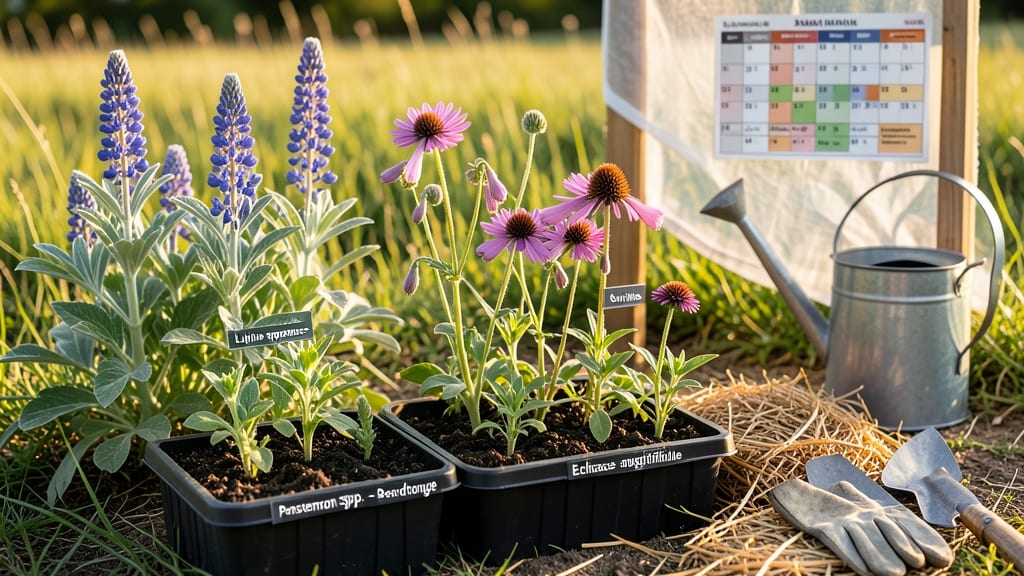
Timing your when to plant flowers in Montana isn’t just about following a calendar—it’s about outsmarting the state’s dramatic swings from subzero winters to short, intense summers. One wrong move, and your vibrant 🌸 dreams could wilt before they even bloom.
But here’s the good news: with the right knowledge, you can turn Montana’s unpredictable climate into your garden’s superpower.
If you’ve ever stared at a seed packet, wondering whether to plant now or wait, you’re not alone. The key lies in understanding your USDA Zone (3-7) and local frost dates—like knowing whether Missoula’s last frost hits in mid-May or Kalispell’s stretches into early June.
I’ll break down the exact windows for perennials, annuals, and bulbs so you can plant with confidence, whether you’re a first-time gardener or a seasoned pro.
We’ll also cover Montana-specific tricks, like choosing cold-hardy varieties that thrive despite the challenges. From delphiniums that laugh at frost to black-eyed Susans that bounce back year after year, I’ll share the top 10 flowers that make gardening here not just possible, but rewarding.
Ready to transform your yard into a summer paradise? Let’s get started.
You’ll leave here knowing exactly when to dig in—no more guesswork, no more wasted seeds. Whether you’re prepping for a late April start or planning a fall planting in September, this guide gives you the edge. Your future garden (and your neighbors’ jealous glances) will thank you.
Montana flower planting calendar: exact months for perennials, annuals, and bulbs
Montana’s diverse climate zones (USDA 3-7) mean your planting timeline depends on elevation and location. In Missoula (Zone 5), last frost typically arrives by May 15, while Kalispell (Zone 4) waits until June 10. Always check local frost dates—your garden’s success hinges on these critical windows.
For annual flowers, aim to plant after the last frost but before June 15 to ensure blooms before Montana’s early fall frosts. Perennials can go in as early as late April (for hardy varieties) or wait until May 1 for slower starters like delphiniums. Bulbs like tulips and daffodils thrive when planted in fall (September-October).
Soil temperature is your best guide: Wait until it reaches 50°F (10°C) at a 4-inch depth. Use a soil thermometer—cold soil stunts root growth. In northern Montana (Zones 3-4), extend your season with row covers or plant heat-loving annuals like marigolds in June.
Here’s your Montana planting calendar broken down by flower type and month:
For Missoula gardeners (Zone 5), prioritize late April for perennials like columbines and black-eyed Susans. In Billings (Zone 6), you can push annuals like petunias into late May. Always adjust for microclimates—south-facing slopes warm faster than shaded areas.
Test your soil’s drainage before planting. Montana’s clay-heavy soils can suffocate roots. Amend with compost or sand to improve aeration. For container gardening, use lightweight potting mix and plant heat-tolerant annuals like geraniums in June.
If you miss the spring window, don’t despair—fall planting (August–September) works for many perennials and bulbs. The cooler temps reduce stress, and roots establish before winter. Just ensure 6+ weeks remain frost-free to avoid winter kill.
Pro tip: Use biodegradable plant markers to track your planting dates. Montana’s short growing season means every day counts—labeling helps you remember what thrives where. For example, hollyhocks need full sun and well-draining soil, while impatiens prefer partial shade.
Monitor your garden’s microclimates—a south-facing wall can add 10°F warmth compared to open fields. Use this to extend your planting window for tender annuals like begonias.
🌱
Top 10 cold-hardy Montana flowers that thrive with minimal effort
Montana’s short growing season and frigid winters might make you think gardening is impossible, but these 10 resilient flowers prove otherwise. They’re built to handle USDA Zones 3-7, from Glacier National Park’s harsh winters to Missoula’s milder climate.
Whether you’re a busy bee or a weekend gardener, these varieties demand little effort but deliver maximum color and charm.
I’ve handpicked these low-maintenance beauties based on their ability to bounce back from frost, drought, and even deer nibbles. From towering delphiniums that reach for the sky to hardy columbines that self-seed like crazy, each plant brings something unique to your Montana garden.
Let’s dive into the top performers that’ll have your neighbors asking for cuttings.
🌸 Delphiniums (Tall & Dramatic) 🌸 Columbines (Whimsical & Deer-Resistant) 🌸 Black-Eyed Susans (Golden & Long-Blooming) 🌸 Coneflowers (Drought-Tolerant & Pollinator-Friendly) 🌸 Lavender (Fragrant & Pest-Repelling) 🌸 Peonies (Luxurious & Perennial) 🌸 Blanket Flowers (Bright & Heat-Loving) 🌸 Yarrow (Tough & Medicinal) 🌸 Catmint (Long-Blooming & Butterfly Magnet) 🌸 Shasta Daisies (Classic & Cheerful)
🌿 Planting Window: Late April–May (after frost)
🌿 Height: 3–6 ft (tall spikes!)
🌿 Montana Tip: Stake tall varieties to prevent flopping in wind
🌿 Planting Window: Early spring or fall (self-seeds easily)
🌿 Height: 1–3 ft (whimsical blooms)
🌿 Montana Tip: Deer often avoid them—perfect for problem areas!
🌿 Planting Window: Spring or fall (adaptable)
🌿 Height: 2–3 ft (golden cheer)
🌿 Montana Tip: Cut back in early spring to encourage new growth
🌿 Planting Window: Early spring (drought-tolerant)
🌿 Height: 2–4 ft (purple/pink blooms)
🌿 Montana Tip: Leave seed heads for birds in winter
🌿 Planting Window: Early spring (well-drained soil)
🌿 Height: 1–2 ft (fragrant & calming)
🌿 Montana Tip: Prune after blooming to shape bushes
Each of these Montana superstars thrives with minimal fuss, but they all share one secret: planting at the right time. For example, delphiniums need a cool spring start to avoid bolting, while peonies (our #6 pick) should be planted in fall for deeper root establishment.
I’ll cover their exact windows in the next section, but for now, know that these flowers are your low-effort ticket to a stunning garden—even in Big Sky Country.
Pro tip: Group tall varieties like delphiniums and hollyhocks at the back of your beds, while spiller types like alyssum or catmint add softness at the front. This layering trick creates depth and makes your garden look intentional (even if you’re just winging it). 🌸
Ready to pick your top 3 Montana flowers? Grab some seeds or starts from your local nursery—just be sure to ask about Montana-grown varieties for the best adaptation to our climate. Your future self (and your pollinator friends) will thank you!