
Flowers
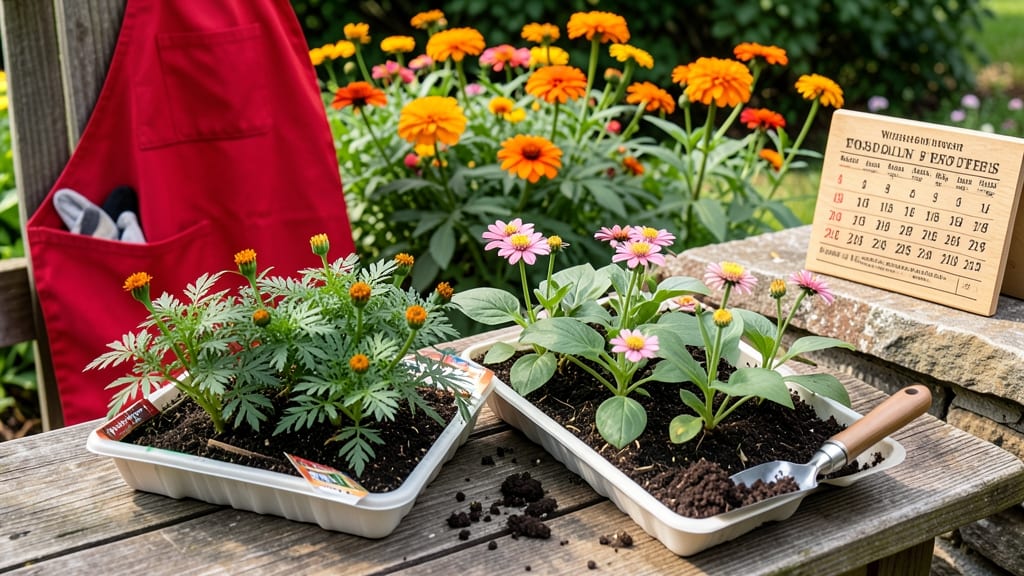
Timing your flower seeds planting in Wisconsin can make or break your garden dreams—one wrong move, and frost will nip those delicate sprouts before they even peek through the soil. 🌸 Whether you're dreaming of vibrant cosmos or fragrant petunias, knowing the exact window to plant is the key to a showstopping season.
With Wisconsin’s 4a-6b climate zones, the last frost can arrive anywhere from mid-April in the south to early June in the north. That means your planting strategy needs to be as flexible as the weather forecast.
I’ll break down the best times to sow seeds directly in the ground versus starting them indoors for a head start.
You don’t have to guess whether your marigolds or snapdragons will survive the chill. This guide covers everything from soil temperature requirements to regional adjustments, so you can plant with confidence—no more waiting until it’s too late.
Ready to turn your garden into a blooming paradise? Let’s dive into the perfect planting schedule tailored just for Wisconsin gardeners like you.
Wisconsin last-frost dates by region: critical planting windows for flower seeds
Wisconsin’s climate varies dramatically from north to south, making last-frost dates the most critical factor for successful flower seed planting.
In Northern Wisconsin (USDA Zones 4a-4b), like around Superior or Hayward, the average last frost date is May 15-20, while Southern Wisconsin (Zones 5b-6a), such as Madison or Milwaukee, typically sees frost-free conditions by May 1-10.
These dates determine whether your annuals or perennials will thrive or wither.
For cool-season flowers like pansies or sweet alyssum, you can start seeds indoors 8-10 weeks before your region’s last frost date. Warm-season flowers, such as zinnias or marigolds, need to wait until soil temperatures reach at least 50°F (10°C), usually 2-3 weeks after the last frost.
Missing these windows can lead to stunted growth or frost damage.
Wisconsin’s Lake Michigan region (e.g., Green Bay or Sheboygan) often experiences delayed spring warming due to lake breezes, so gardeners here should plant 1-2 weeks later than inland areas.
Meanwhile, Western Wisconsin (e.g., Eau Claire or La Crosse) tends to warm up faster, allowing for earlier planting of heat-loving flowers like sunflowers or cosmos.
To stay ahead of unpredictable Wisconsin weather, I recommend checking the UW-Madison Extension’s frost prediction tool or local cooperative extension service for real-time updates. These resources provide 10-day forecasts that can shift planting dates by 1-2 weeks depending on early-season warmth or late frosts.
Here’s a quick region-by-region breakdown of when to plant flower seeds in Wisconsin, including ideal soil temperatures and recommended flower types for each zone:
| Region | Last Frost Date | First Frost Date | Soil Temp for Planting | Best Flowers to Plant |
|---|---|---|---|---|
| Northern WI (Zone 4a-4b) | May 15-20 | September 20-25 | 50°F (10°C) | Pansies, Sweet Alyssum, Snapdragons |
| Central WI (Zone 4b-5a) | May 1-10 | September 15-20 | 55°F (13°C) | Cosmos, Marigolds, Zinnias |
| Southern WI (Zone 5b-6a) | April 25-May 5 | October 5-10 | 60°F (16°C) | Petunias, Geraniums, Sunflowers |
| Western WI (Zone 4b-5a) | May 1-10 | September 15-20 | 55°F (13°C) | Black-Eyed Susans, Coneflowers, Dahlia |
| Lake Michigan (Zone 5a-5b) | May 10-15 | September 25-October 1 | 55°F (13°C) | Lavender, Bee Balm, Shasta Daisies |
Best flowers to plant by seed type: direct-sow vs. transplant timing in Wisconsin
Choosing between direct-sowing flower seeds and starting transplants indoors can feel overwhelming, but the right choice depends on your flower type and Wisconsin’s unpredictable frost dates.
For example, cosmos and marigolds thrive when planted directly in the garden after the last frost, while petunias and geraniums need a head start indoors to beat the Wisconsin chill. Let’s break down the best strategies for your favorite blooms.
Wisconsin’s 4a-6b climate zones mean some flowers can handle early spring planting, while others need to wait until soil temperatures reach at least 50°F (10°C). I’ll cover the ideal timing for both cool-season and warm-season flowers, so you can plan your garden like a pro.
Whether you’re a beginner or a seasoned gardener, these tips will help you avoid the heartbreak of frost-damaged seedlings.
🌱 Pro Tip: Always check the back of your seed packet for specific instructions—some varieties, like snapdragons, are more cold-tolerant than others.
Direct-Sow vs. Transplant: What’s the Difference?
- ✅ Plant seeds straight into garden soil
- ✅ Best for hardy annuals like zinnias and sunflowers
- ✅ Avoids transplant shock
- ✅ Start seeds indoors 4-6 weeks before last frost
- ✅ Ideal for petunias, geraniums, and impatiens
- ✅ Extends growing season
- 🌿 Cool-season flowers (e.g., pansies, snapdragons)
- 🌞 Warm-season flowers (e.g., marigolds, cosmos)
- ❄️ Frost damage if planted too early
- 🌱 Transplant shock if moved too soon
For direct-sowing, aim to plant after your region’s last frost date.
In Southern Wisconsin, this is typically mid-April to early May, while Northern Wisconsin gardeners should wait until late May to early June. Cosmos, marigolds, and zinnias are perfect for direct sowing—they germinate quickly and handle cooler soils better than many other flowers.
If you’re transplanting, start seeds indoors 4-6 weeks before your last frost date. For example, if your last frost is May 15, begin sowing petunias or geraniums around mid-April.
Use grow lights or a sunny windowsill to ensure strong seedlings. Harden them off for a week before moving them outside to avoid shock.
🌼 Remember: Some flowers, like biennials (e.g., foxglove) and perennials (e.g., coneflowers), can be sown in late summer for blooms the following year. This is a great way to extend your garden’s life without extra work in spring.
For fall planting, focus on frost-tolerant varieties like pansies or snapdragons. Sow these seeds in late August to early September for vibrant blooms that last through the first frost. This strategy gives you a second burst of color without competing with summer heat.