
Flowers
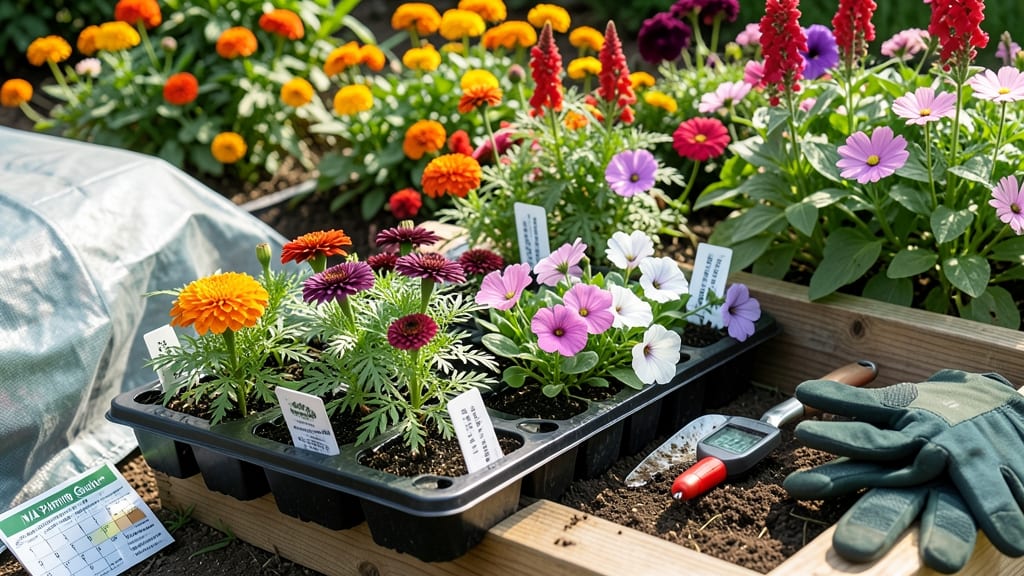
Timing your flower seeds planting in Massachusetts isn’t just about luck—it’s about knowing when to act before frost zaps your dreams of vibrant blooms.
Whether you’re dreaming of bold marigolds or delicate zinnias, getting the window right means the difference between a garden that thrives and one that fizzles out before summer’s peak.
With USDA zones 5b-7a and frost dates that shift yearly, Massachusetts gardeners need a flexible strategy. Plant too early, and a late frost will wipe out tender seedlings; too late, and you’ll miss the chance for continuous color from spring through fall.
The key is understanding your region’s microclimates—whether you’re in Boston’s coastal chill or Worcester’s inland warmth.
I’ll break down exactly when to start seeds indoors, when to direct-sow outdoors, and which varieties thrive in Massachusetts’ unpredictable climate. From cool-season favorites like pansies to heat-loving sunflowers, you’ll learn how to stretch your blooming season with smart timing and local tips.
Ready to transform your garden into a year-round showstopper? Let’s dive into the perfect planting windows for every flower type—so you can enjoy 🌸 after 🌸 without the guesswork.
Massachusetts frost dates by region: critical timing for flower seed planting
Understanding Massachusetts frost dates is your first step to successful flower seed planting. The state spans USDA zones 5b-7a, with dramatic temperature swings that dictate when to plant.
In Western MA (Springfield), the last spring frost typically arrives by April 15, while Cape Cod may wait until May 1 due to coastal delays. These dates separate cool-season flowers (like pansies) from warm-season favorites (like zinnias).
First frost dates in fall vary too: Boston and Worcester usually see frost by October 15, while inland areas like Pittsfield can extend blooms until October 30. This 15-day window means gardeners in the Berkshires have extra time for fall-planted bulbs and hardy annuals like calendula.
Always check local weather forecasts—2023 saw late May frosts in the Pioneer Valley!
Microclimates matter in Massachusetts. A south-facing slope in Amherst warms faster than a north-facing garden in Salem, potentially shifting planting windows by 2-3 weeks. Urban areas like Boston experience the "urban heat island" effect, allowing earlier planting of heat-loving flowers like sunflowers. For precise timing, use the National Oceanic and Atmospheric Administration (NOAA) frost maps or local Cooperative Extension Service resources.
Here’s how these frost dates translate to flower seed planting windows:
🌱 Massachusetts Frost Dates & Planting Windows
| Region | Last Spring Frost | First Fall Frost | Early Spring Planting (Indoors) | Post-Frost Planting (Outdoors) | Fall Planting Window |
|---|---|---|---|---|---|
| Boston Area | April 20 | October 15 | Mid-March | May 1 - June 15 | August 1 - September 15 |
| Worcester | April 15 | October 20 | Late March | April 25 - June 10 | August 10 - September 20 |
| Springfield | April 10 | October 25 | Early March | April 20 - June 5 | August 5 - September 25 |
| Cape Cod | May 1 | October 5 | Late March | May 15 - June 30 | July 15 - September 10 |
| Berkshires | April 5 | October 30 | Mid-February | April 15 - May 30 | July 30 - October 15 |
*Dates based on 30-year averages; verify with local forecasts before planting.
For cool-season flowers like snapdragons or sweet peas, you can start seeds indoors 6-8 weeks before your last frost date. In the Berkshires (April 5), that means mid-February sowing, while Cape Cod gardeners (May 1) should wait until late March.
Use grow lights to supplement weak winter sunlight—14-16 hours of light mimics spring conditions and prevents leggy seedlings.
Warm-season flowers (marigolds, zinnias, cosmos) need soil temperatures above 60°F to germinate. Test your soil with a soil thermometer—if it’s below 55°F, wait or use black plastic mulch to warm the soil faster.
In Boston (April 20 frost), that often means waiting until late May for direct sowing, but transplants can go in as early as May 1 if hardened off properly.
Fall planting offers a second chance for annuals like calendula and perennials like Black-Eyed Susans. Sow seeds 6-8 weeks before your first frost: that’s August 1 for Boston but September 15 for the Berkshires.
These late bloomers thrive with cool nights and warm days, producing vibrant flowers right up to frost. Just avoid planting heat-sensitive varieties like impatiens—they’ll bolt in 90°F+ temperatures.
Pro tip: Use row covers or cold frames to extend your spring planting window by 2-3 weeks. I’ve successfully planted pansies in early April under f
Best flower seed varieties to plant in Massachusetts by season
Massachusetts’ varied climate means your flower garden can bloom from early spring through late fall—but only if you plant the right varieties at the right time. Some flowers thrive when sown in cool spring soil, while others need the warmth of summer.
Here’s my curated list of top-performing flower seeds for each planting window, tailored to Massachusetts’ USDA zones 5b-7a.
For early spring planting (March-April), focus on cool-season annuals like pansies and sweet alyssum. These handle light frosts and give you color before summer’s heat sets in. In late spring (May-June), switch to heat-loving picks like marigolds and zinnias, which need warm soil to germinate.
Fall planting (August-September) rewards you with Black-Eyed Susans and asters, which bloom into autumn’s crisp air.
🌱
🌸 Top Flower Seeds by Planting Season in Massachusetts
-
🌱 Early Spring (March-April)
Pansies, Sweet Alyssum, Snapdragons -
🌿 Late Spring (May-June)
Marigolds, Zinnias, Sunflowers, Petunias -
☀️ Summer (July-August)
Cosmos, Lantana, Portulaca (Moss Rose) -
🍂 Fall (August-September)
Black-Eyed Susans, Asters, Goldenrod, Coneflowers
Perennials like coneflowers and Black-Eyed Susans can be sown in either spring or fall, giving you flexibility. For annuals, timing is critical: marigolds and zinnias need warm soil, so wait until after your last frost date (usually mid-April in most of Massachusetts).
If you’re in Cape Cod or coastal areas, hold off until late April—those regions stay cooler longer.
For extended blooms, mix heat-lovers with cool-season varieties. Plant cosmos in late spring for summer color, then follow with asters in early fall. This succession ensures your garden stays vibrant from May through October.
Don’t forget to mulch after planting to retain moisture and regulate soil temperature—critical in Massachusetts’ unpredictable springs and falls.
🌻