
Plants
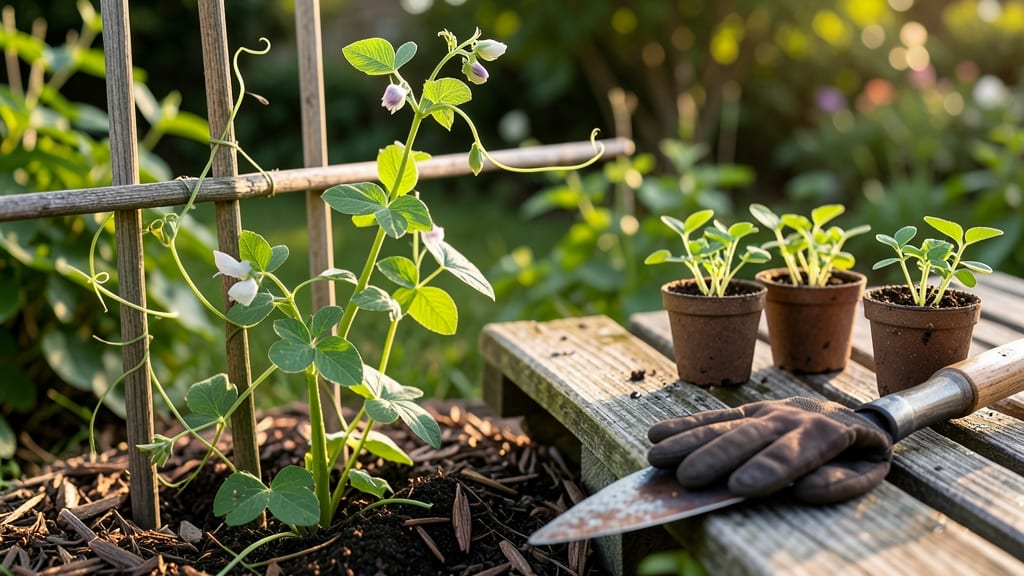
Knowing when to plant English peas in Zone 8 could mean the difference between a thriving harvest and a failed attempt—especially when summer heat arrives faster than you expect.
These cool-weather lovers 🌱 need precise timing to avoid wilting before they even sprout, and a little trick called cold-soaking can give them the jumpstart they need in warmer climates.
Most gardeners in Zone 8 focus on the obvious windows—late winter and early fall—but the real secret lies in understanding your microclimate. Coastal areas might have 2-3 extra weeks of planting time compared to inland spots, where heat creeps in earlier.
I’ll show you exactly how to align your planting with your local frost dates and soil temperatures for foolproof results.
Beyond timing, there’s a game-changer: pre-treating your seeds with cold water to bypass dormancy and speed up germination. This method cuts down on the 55-70 days it normally takes to harvest, giving you peas on the table faster.
Plus, I’ll share companion planting tips to keep your peas thriving even when Zone 8’s summer heat rolls in.
Ready to grow a bumper crop? Let’s break down the best planting windows, the cold-soaking trick, and how to troubleshoot common pitfalls—so you can enjoy fresh peas straight from your garden, no matter how hot it gets.
Best planting windows for English peas in Zone 8’s microclimates
Zone 8’s warm winters and hot summers make timing everything for English peas. Unlike cooler zones, you can’t just plant in spring—you’ll need two planting windows to avoid summer heat stress. The key is targeting soil temperatures between 40-75°F, which aligns with early spring and fall seasons.
For most of Zone 8, late February to early March is your first window. This gives peas time to mature before summer heat arrives.
Coastal areas can start slightly earlier (mid-February), while inland regions should wait until late February to avoid unexpected frost. First frost dates vary—check your local USDA Zone 8a/8b boundaries for precision.
Your second chance comes in early fall (September-October). This window lets peas establish roots before cooler weather arrives. Plant 6-8 weeks before your first frost—typically mid-September for most of Zone 8. Inland areas may need to plant earlier (late August) to beat heatwaves.
Here’s how microclimates affect timing in Zone 8:
| Planting Window | Ideal Dates (Zone 8) | Soil Temp | Microclimate Notes |
|---|---|---|---|
| Early Spring | Late Feb - Early Mar | 40-55°F | Coastal: Start Feb 15; Inland: Wait until Mar 1 |
| Late Summer | Mid-Aug (inland) - Sep 15 | 60-75°F | Inland: Plant by Aug 20; Coastal: Sep 1-Oct 1 |
| Fall | Sep 15 - Oct 15 | 50-65°F | Avoid planting after Oct 15 (risk of frost before harvest) |
Zone 8’s frost-free days (240+) create opportunities for successive plantings. After your initial spring planting, add a second batch 4-6 weeks later to extend harvest. For fall, stagger plantings every 2-3 weeks from September through October for a continuous supply.
Pro tip: Use shade cloth (30-50%) if planting in late spring (April) to protect young plants from sudden heatwaves. This buys you 2-3 extra weeks of viable growth before summer shutdown. Monitor your local 7-day forecast—peas hate sudden temperature swings above 85°F.
For dwarf varieties (like 'Little Marvel'), you can push the envelope slightly by planting in early April with shade protection. However, standard varieties (4-6 ft) should never be planted after March 15 in most of Zone 8. The heat will cause blossom drop and poor pod set.
Remember: Soil prep is non-negotiable in Zone 8. Amend your beds with compost and aged manure before planting to improve water retention. Peas hate dry soil—consistent moisture is critical for germination and pod development in our warm climate.
🌱
Best planting windows for English peas in Zone 8’s microclimates
Zone 8’s 240 frost-free days and variable microclimates make timing critical for English peas. Coastal areas like San Diego can plant 2-3 weeks later than inland spots like Phoenix, where heat arrives earlier.
The key is aligning your planting with soil temperatures between 40-75°F—too warm, and your seeds will rot before sprouting.
For most of Zone 8, the ideal windows are late winter (February-March) and early fall (September-October). Coastal gardeners might extend fall planting into early November, while inland areas should finish by mid-October to avoid early heat waves.
Always check your last frost date (typically February 15) and plan to sow peas 4-6 weeks before for a spring harvest.
🌱 Planting Window Comparison for Zone 8 Microclimates
| Climate Type | Spring Window | Fall Window | Soil Temp Goal | Key Tip |
|---|---|---|---|---|
| Coastal (e.g., LA, San Diego) | March 1 - April 15 | September 15 - November 1 | 45-60°F | Use shade cloth if temps rise above 70°F |
| Inland (e.g., Phoenix, Riverside) | February 15 - March 10 | September 1 - October 15 | 40-55°F | Plant in evening to avoid midday heat |
| Valley (e.g., Central Valley CA) | February 20 - March 20 | September 10 - October 30 | 42-65°F | Mulch heavily to retain moisture |
If you miss the spring window, don’t despair—fall planting often yields sweeter peas with less pest pressure. Aim to harvest before first frost (November 15), or choose heat-tolerant varieties like 'Carouby de Maussane', which can handle slightly warmer soils.
For container growers, extend your season by using black plastic pots to absorb and retain heat longer.
Pro tip: Monitor your soil temperature with a cheap thermometer—peas won’t germinate well above 75°F. If your soil runs hotter, try shade cloth (30-50%) over newly planted seeds until they sprout.
This simple trick can mean the difference between a failed crop and a thriving one in Zone 8’s unpredictable climate.
Remember, microclimates matter. A north-facing bed stays cooler than a south-facing one, and slopes dry out faster. Test your spot by planting a few seeds in different locations—you might discover your own hidden pea-growing sweet spot in your Zone 8 garden. 🌱