
Plants
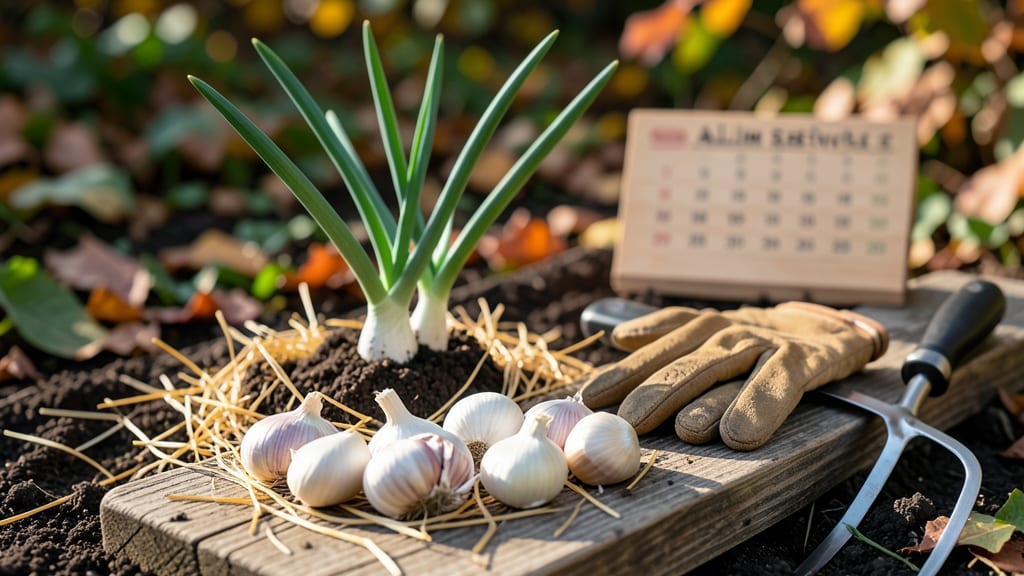
Planting garlic in Portland, Oregon, isn't just about picking a month—it's about catching that perfect soil temperature window before winter sets in. With the right timing, you'll grow robust 🧄 bulbs that thrive in Portland's unique climate, where chilly nights and rainy seasons play a big role.
Most gardeners here know the ideal window is between October and November, but why? Because garlic needs soil temperatures between 40-50°F to root properly before the ground freezes. Too early, and your cloves might rot; too late, and they won’t establish strong roots before winter.
In Portland’s USDA Zone 8a, the first frost usually arrives around mid-November, giving you just a few weeks to plant. The key is to get those cloves in the ground 4-6 weeks before freezing—that’s when garlic starts its slow, steady growth toward next summer’s harvest.
Ready to avoid common mistakes and maximize your harvest? I’ll walk you through exactly how to time it right, plus tips for adjusting if Portland’s weather throws you a curveball. Let’s get those garlic cloves in the ground the smart way.
Portland garlic planting calendar: soil temperature triggers for best growth
Portland’s USDA Zone 8a climate creates a narrow window for planting garlic—too early, and cloves rot; too late, and bulbs won’t mature properly. The secret to success lies in soil temperatures between 40-50°F, which signals garlic to root before winter dormancy.
In Portland, this typically aligns with mid-October to early November, but microclimates (like warmer urban areas) may shift your timeline by 1-2 weeks.
Unlike many vegetables, garlic thrives when planted in fall, not spring. This gives bulbs time to establish roots before winter’s chill. In Portland, where first frost often arrives by November 15, aim to plant 4-6 weeks before ground freezes.
For example, if frost hits November 20, plant between October 15-30 to allow root development without exposing cloves to prolonged cold.
Testing soil readiness is simple: use a soil thermometer or the finger test. Stick your finger 4 inches deep—if the soil feels cool but not frozen, it’s ready. Alternatively, Portland’s average soil temps drop below 50°F by early October, so monitor local forecasts.
Pro tip: Morning temps are most reliable for this check, as evenings can be misleadingly warmer.
| Stage | Action | Portland Timeline |
|---|---|---|
| Soil Prep | Test soil pH (6.0-7.0), loosen soil, add compost | Late August - Early September |
| Planting Window | Plant cloves 4-6" deep, 6" apart | Mid-October - Early November |
| Frost Protection | Mulch with 2-4" straw after planting | November - March |
| Harvest Ready | Lower leaves brown, bulbs firm | Late July - Early August |
Portland’s rainy season complicates garlic planting, but the key is well-draining soil. Heavy clay? Amend with compost or sand before planting. I’ve found that raised beds work wonders in my urban garden—they warm up faster in spring and drain excess winter moisture.
For in-ground planting, choose slightly elevated spots to avoid waterlogged cloves, which rot easily.
If you miss the ideal window, don’t panic—September or December plantings can still work, but with trade-offs. Planting in September risks cloves sprouting before winter, while December plantings may not fully mature.
For December attempts, use hardneck varieties, which tolerate colder soils better than softneck types. Just be prepared for smaller bulbs if you plant late.
Local gardeners swear by Portland-specific adjustments, like planting 2 weeks earlier in cooler microclimates (e.g., hillsides) and 1 week later in urban heat islands. Pay attention to neighborhood differences: My friend in Southeast Portland plants in late October, while I plant in early November in Northeast Portland.
Use local frost date records (like those from Oregon State University) to fine-tune your schedule.
One common mistake? Planting too shallow. Garlic cloves need 4-6 inches of depth to protect them from frost heave (when soil freezes and thaws, pushing cloves up). I’ve lost entire rows by planting just 2 inches deep—don’t make this error!
Use the width of your garlic clove as a guide: it should be buried 3x its diameter.
For container gardening in Portland, use deep pots (at least 12 inches deep) and plant in October. Containers warm up faster in spring, so you might harvest 1-2 weeks earlier than in-ground garlic. Just ensure pots have drainage holes to prevent root rot during Portland’s wet winters.
Remember: Garlic planted in fall = harvest next summer. The bulbs you plant in October will mature in July-August 2025, so mark your calendar now! Start small with 5-10 cloves to test your timing before committing to larger beds.
How to adjust garlic planting for Portland’s rainy season and frost risks
Portland’s wet winters and unpredictable frosts can turn garlic planting into a gamble—but with the right adjustments, you’ll grow hardy bulbs even in these conditions. The key is mulching and frost protection, which create a stable microclimate for your garlic.
Unlike drier climates, Portland’s high humidity and cool nights demand extra care to prevent rot and frost damage.
Hardneck vs. softneck varieties also play a role in Portland’s climate. Hardneck garlic (like 'Music' or 'Chesnok Red') thrives in our cold winters and produces flavorful scapes, while softneck varieties (like 'German White') store better but need slightly warmer conditions. For Portland, I always opt for hardneck—it’s worth the extra effort for that garlicky punch!
Mulching is your first line of defense against Portland’s rainy season. Apply a 4-6 inch layer of straw or leaves after planting to insulate the soil and keep it consistently moist without waterlogging. This also suppresses weeds and protects cloves from heavy downpours. I’ve seen garlic rot in soggy soil, so well-draining beds are a must—amend clay soil with compost or sand if needed.
⚠️ Watch Out for These Portland-Specific Risks
Portland’s late fall rains and early frost can derail your garlic if you’re not prepared. Here’s what to avoid:
- Planting too late – After November 15, cloves may not establish roots before frost.
- Skipping mulch – Without insulation, soil temps fluctuate wildly, stressing young plants.
- Overwatering – Portland’s wet winters can drown garlic; stick to 1 inch/week max.
- Ignoring microclimates – South-facing beds stay warmer longer than north-facing spots.
To protect against early frosts (which can hit as early as November in Portland), use frost cloths or row covers on cold nights. I’ve had garlic survive 20°F temps with proper mulching, but below 15°F can still damage cloves.
For extra safety, plant in raised beds—they warm up faster in spring and drain better than in-ground soil.
Adjust your planting timeline based on your last expected frost. In Portland, aim to plant 4-6 weeks before the ground freezes (usually mid-October to early November). If you’re unsure, use a soil thermometer—garlic needs 40-50°F soil to sprout. I test mine weekly in October; once it hits 50°F, it’s go time!
For late-season adjustments, consider green manure cover crops (like clover) in empty beds—this improves soil structure for next year’s garlic. And if you’re growing scapes, harvest them in June-July to redirect energy to bulb development.
Portland’s cool summers slow growth, so don’t rush—patience pays off with larger bulbs by harvest time.
Pro tip: Mark your garlic beds with stakes or flags—Portland’s rainy winters can make beds hard to spot, and you’ll want to avoid disturbing them until spring. With these adjustments, you’ll outsmart Portland’s climate and grow plump, flavorful garlic year after year. 🌱