
Plants
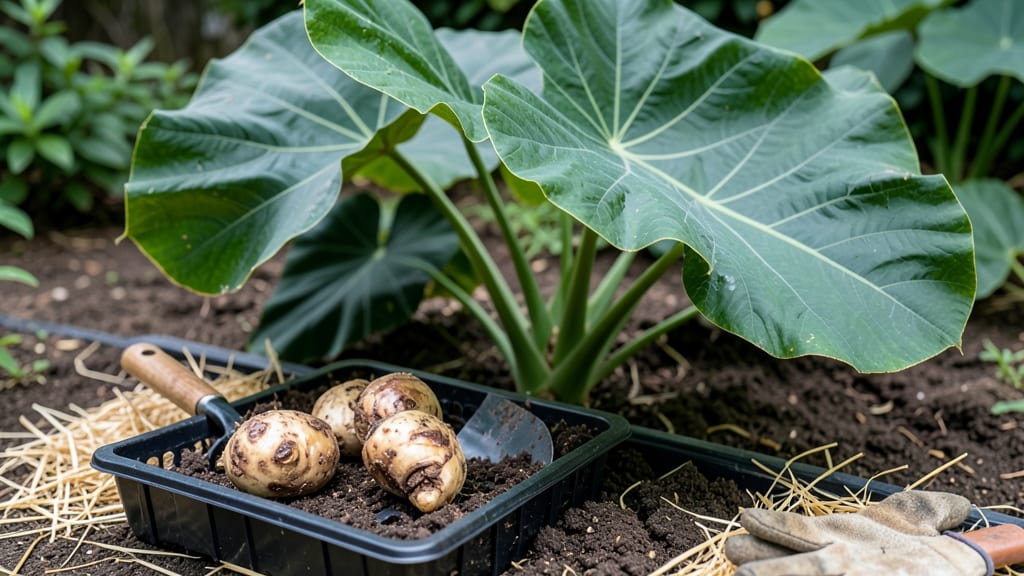
The perfect timing for planting elephant ear bulbs in Texas can mean the difference between a show-stopping garden and a sad, wilted disappointment. These tropical beauties 🌿 love the heat, but they’re not ready to handle Texas summers until the last frost has passed—usually March to April for most regions.
If you plant too early, those delicate bulbs will rot in the cold. Too late, and you’ll miss the 6-month growing window before the first frost hits.
The key is knowing your local frost-free dates—whether you're in North Texas (like Dallas) or South Texas (like Houston), timing matters more than you think.
In this guide, I’ll break down the exact planting windows for your area, plus pro tips for soil prep and container growing to beat Texas’s heat and humidity. Let’s get those elephant ears thriving before summer even arrives!
Ready to skip the guesswork? You’ll learn how to prep bulbs, choose the right spot, and even recover if you plant late. Your garden’s next statement piece starts with the right timing—let’s make it count.
Texas elephant ear planting zones: when to plant by region (frost-free dates)
Texas’s vast size means elephant ear bulbs (like Colocasia and Alocasia) face wildly different planting windows depending on where you live. In North Texas, where last frost dates hover around February 15, spring planting starts in March.
Meanwhile, South Texas gardeners can plant as early as February 1—thanks to its milder winters.
The key to success? USDA zones 8a-10b dominate Texas, but microclimates create exceptions. For example, El Paso (West Texas) has a first frost as early as November 15, while Houston stays frost-free until January 15.
These differences mean your planting timeline could shift by 6 weeks from one end of the state to the other.
Here’s how to align your elephant ear planting with Texas’s regional rhythms:
| Region | USDA Zone | Last Frost Date | Ideal Planting Window | Fall Planting Window |
|---|---|---|---|---|
| North Texas (Dallas/Fort Worth) | 8a | February 15 | March 1–April 15 | September 15–October 15 |
| Central Texas (Austin) | 8b | February 1 | February 28–April 1 | September 1–October 1 |
| South Texas (Houston/San Antonio) | 9a | January 15 | February 1–March 15 | August 15–September 30 |
| West Texas (El Paso) | 8a | November 15 | March 15–April 30 | September 1–October 15 |
For container growing, you can push these windows slightly earlier or later, but in-ground planting demands precision. Colocasia varieties, like ‘Black Magic’, tolerate cooler temps better than Alocasia types, so they’re safer for early spring or late fall plantings in North Texas.
Pro tip: Use Texas A&M AgriLife’s frost maps to double-check your local last frost date. Waiting until 2 weeks after the average last frost ensures your elephant ear bulbs won’t get nipped by surprise late-season cold snaps.
If you’re in South Texas, you might even see early blooms as soon as April, while North Texas gardeners should expect peak foliage in June or July.
The longer growing season in warmer zones means you can also experiment with fall plantings for a second flush of growth before winter.
Remember: Elephant ears are tropical plants at heart. They hate cold soil, so pre-warming the ground with black plastic or mulch can help in cooler regions like North Texas.
For container gardeners, the rules relax slightly—you can plant 2 weeks earlier in spring or 2 weeks later in fall since pots warm up faster. But in-ground plantings need that consistent soil temperature of at least 60°F to thrive.
Miss the window? Don’t panic—fall planting (especially in September–October) gives bulbs time to establish roots before winter. Just mulch heavily to insulate them from freezing temps.
How to prepare elephant ear bulbs for Texas heat: pre-planting tips for success
Prepping your elephant ear bulbs for Texas’s intense heat and humidity is the secret to avoiding rotten bulbs and stunted growth. These tropical plants love warmth but despise soggy soil—soaking bulbs and amending clay-heavy Texas soil sets them up for success before the first leaf emerges.
Start by soaking bulbs in lukewarm water for 24 hours to hydrate them gently. This jumpstarts root growth without shocking the bulb. Skip this step, and you risk dormant bulbs struggling to wake up in Texas’s dry spring air.
Next, test your soil’s drainage and pH. Texas clay holds moisture like a sponge, creating the perfect conditions for bulb rot. Mix in compost or perlite to lighten the soil, and aim for a slightly acidic pH (6.0–7.0).
A simple soil test kit from your local nursery will save you from guesswork.
Pro Tip: Microclimate Matters
In North Texas, plant in partial shade to protect bulbs from afternoon sun. In South Texas, opt for morning sun + afternoon shade to prevent leaf scorch. Containers work well for flexibility!
Choose a planting spot with well-draining soil and 6+ hours of sunlight, but avoid areas where water pools after rain. If your yard is flat, create a slight mound to improve drainage.
For container growing, use pots with drainage holes and fill them with a mix of potting soil and coconut coir to mimic Texas’s natural sandy loam.
Before planting, add a 2-inch layer of mulch around the base to retain moisture and regulate soil temperature. Organic mulches like pine straw or shredded bark work best, but avoid thick layers that can suffocate bulbs.
This step is especially critical in West Texas, where summer heat can dry out soil quickly.
Finally, water deeply before planting to settle the soil and encourage root growth. After planting, keep the soil consistently moist (but not soggy) for the first 2–3 weeks. A drip irrigation system or soaker hose makes this easier than hand-watering, especially in Texas’s unpredictable spring rains.
With these prep steps, your elephant ears will emerge strong and ready to handle Texas’s summer heat—no wilting in sight! 🌿