
Plants
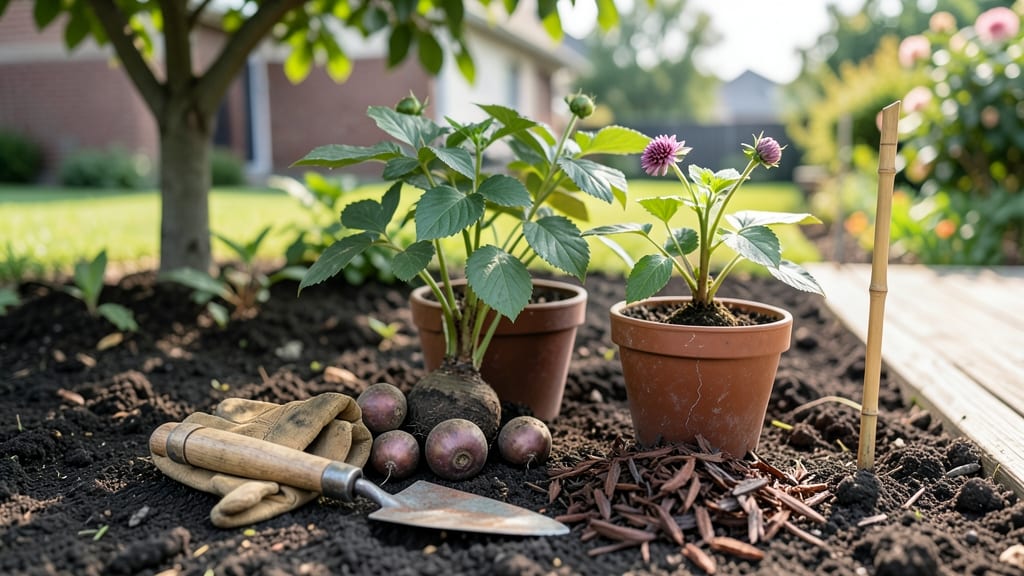
When to plant dahlias in Zone 6a could mean the difference between a showstopping garden and a sad, frost-nipped disappointment. Those stunning 🌸 blooms need the right conditions to thrive, and planting too soon risks losing your tubers to late spring frosts—while waiting too late cuts your blooming season short.
I’ve learned the hard way that soil temperature matters just as much as calendar dates. Dahlias won’t sprout until the ground warms to at least 60°F, which in Zone 6a often means waiting until mid-to-late May—even if your last frost passed weeks earlier.
The key is balancing patience with preparation so your dahlias get a head start without risking frost damage.
In this guide, I’ll walk you through exactly when to plant (and why), plus soil tricks to extend your growing season. Whether you’re a first-time gardener or a seasoned pro, these tips will help you beat frost delays and enjoy vibrant blooms from July to October—no guesswork required.
Let’s dive into the perfect planting window for Zone 6a and how to give your dahlias the best shot at success. You’ll discover soil temperature secrets, frost protection hacks, and even the best cold-hardy varieties to try this year.
Optimal planting timeline for dahlias in Zone 6A: frost dates & soil temperature guide
Timing your dahlia planting in Zone 6A is all about balancing last frost dates with soil warmth. Since Zone 6A averages its last frost around April 15, waiting too long can shorten your bloom season, while planting too early risks frost damage to tender tubers.
The sweet spot? Aim for when soil reaches 60°F—usually mid-to-late May—but always verify with local weather trends.
Dahlias need consistent warmth to thrive, so I recommend monitoring soil temps with a soil thermometer (available for under $10). Cold soil slows root growth, leaving plants vulnerable to late-spring frosts.
Pro tip: If your area has a history of unpredictable frosts, delay planting by 1-2 weeks for extra safety.
Here’s how to align your planting with Zone 6A’s frost-free window:
| Planting Stage | Zone 6A Timeline | Soil Temp Requirement | Key Action |
|---|---|---|---|
| Prep Soil | Early April | 45°F+ | Amend with compost |
| Chit Tubers | Late March | 60°F+ (indoors) | Place in bright light |
| Plant Tubers | Mid-to-late May | 60°F+ | 4-6" deep, 12-18" apart |
| First Blooms | July-August | N/A | Harvest for arrangements |
| Frost Protection | Late September | N/A | Cut back, mulch heavily |
Zone 6A gardeners often face delayed springs, so I’ve planted dahlias as late as early June with success—just choose fast-blooming varieties like ‘Café au Lait’ or ‘Karma Choc’ to compensate for a shorter season. Always harden off tubers for 1-2 weeks before planting to reduce shock.
For urban gardeners with limited space, container-grown dahlias can be planted 2 weeks later than in-ground varieties, as pots warm faster. Use black plastic mulch to raise soil temps by 3-5°F if your spring is especially chilly.
Watch for false springs—those warm spells in March that lull you into thinking frost is over. I’ve seen 28°F dips in Zone 6A as late as May 10, so keep a frost cloth handy for early plantings.
If frost threatens after planting, cover tubers with straw or leaves for temporary protection.
Remember: Dahlias need 60-90 days to mature from tuber to bloom. Planting in early May gives you a 120-day window before first frost (October 15), ensuring full-season color. Late plantings may only yield smaller blooms or shorter stems.
Pro move: Mark your calendar for June 1 as your last chance to plant standard varieties in Zone 6A. After that, opt for dwarf or semi-dwarf types that mature faster.
🌱
How to extend dahlias’ growing season in Zone 6A: frost protection & soil prep hacks
Zone 6A’s unpredictable spring frosts can turn your dahlia dreams into a soggy mess overnight. I’ve lost tubers to late frosts, but I’ve also learned how to beat the clock with simple soil prep and frost protection tricks.
The key? Pre-warming soil and using row covers to create a microclimate that mimics summer conditions.
Start by testing your soil temperature with a thermometer—dahlias need at least 60°F to sprout. If your ground is still chilly in May, try black plastic mulch laid 2-3 weeks before planting.
This warms the soil faster than bare earth and suppresses weeds. I’ve seen soil temps rise 10°F+ in just a week with this trick.
For extra insurance, harden your tubers before planting. Place them in a cool, dark spot (like a garage) for 2-3 weeks to encourage root growth. This gives them a head start and makes them more resilient to late frosts.
Pro tip: Soak tubers in lukewarm water for 12 hours before planting to jumpstart sprouting.
⚠️ Frost Warning: Signs Your Dahlias Are at Risk
- Wilted foliage overnight (not from heat stress)
- Blackened stems at soil level
- Frost on leaves before sunrise
- Crunchy leaves when touched
Action:
Cover plants with frost cloth or a lightweight blanket if temps drop below 32°F. Remove during the day to avoid overheating.
If you’re planting early (before Memorial Day), use row covers or cold frames to trap heat. I’ve had dahlias bloom 3 weeks earlier by using a simple hoop tunnel with clear plastic.
Just secure the edges with bricks or soil to prevent wind damage. For container growers, move pots to a south-facing porch during cool nights.
Don’t forget mulching! Apply 2-3 inches of straw or shredded leaves after planting to insulate roots. This keeps soil temps stable and reduces water evaporation. In my garden, mulched dahlias bloom 2 weeks longer in fall because their roots stay warmer longer.
For late-season protection, cut back foliage by half in early October and cover the crown with straw or leaves. This creates a natural blanket that shields tubers from early frosts. I’ve dug up tubers in November that were still viable because of this simple trick.
With these hacks, you can extend your dahlia season by 4-6 weeks—giving you more time to enjoy those showstopping blooms before winter sets in. The secret? Plan ahead, protect your plants, and adjust as needed based on your local microclimate.