
Plants
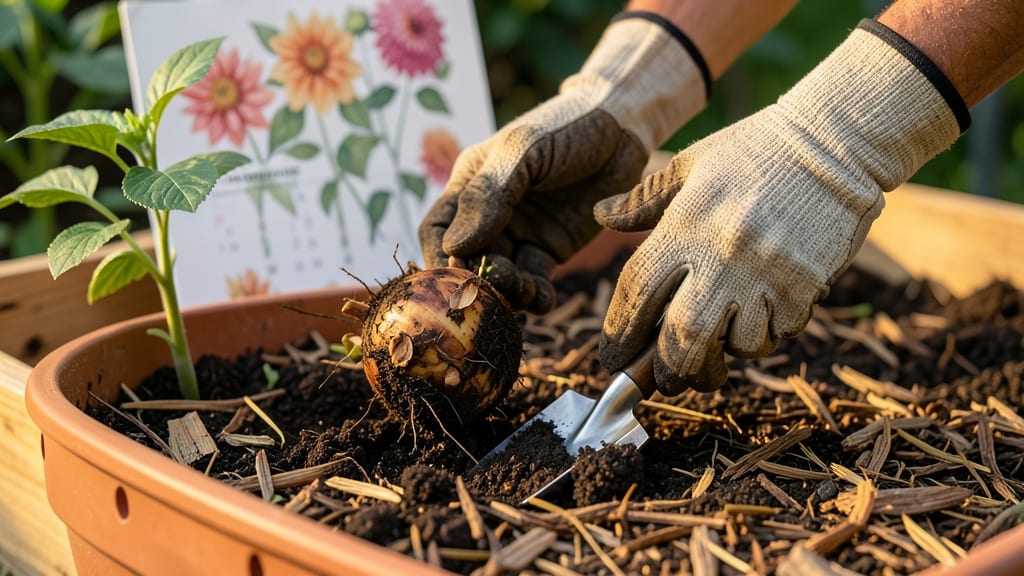
If you’ve ever dreamed of a garden bursting with 🌼 dahlias but wondered when to plant dahlias in Alabama before the summer heat takes over, you’re not alone.
The key to success isn’t just picking the right variety—it’s planting them at the perfect moment when the soil is warm enough to support their deep roots but cool enough to prevent shock.
For Alabama gardeners in zones 7b-8a, the ideal window opens in late April to early May, right after the last frost (typically around March 15, but timing varies by region).
Planting too early risks cold soil and stunted growth, while waiting too long can leave your dahlias struggling in the heat. I’ll show you exactly how to time it right—and which heat-resistant varieties will reward you with months of vibrant blooms from July through October.
Beyond the calendar, soil prep is everything. Alabama’s clay-heavy earth needs amending to drain properly, and mulching becomes your secret weapon against the summer sun. Let’s dive into the step-by-step tricks that’ll keep your dahlias thriving when other flowers wilt.
Whether you’re starting from tubers or seeds, I’ve got the insider tips to ensure your dahlias take root, grow strong, and put on a show—no matter how hot it gets. Ready to transform your garden into a dahlia paradise?
Best planting timeline for dahlias in Alabama’s climate zones
Alabama’s diverse climate—from the cooler Appalachian foothills to the sweltering Gulf Coast—means dahlia planting dates vary by region. In USDA Zones 7b-8a, your last frost date (typically mid-March to early April) signals the start of your planting window.
But rushing too early can leave tender tubers vulnerable to late frosts, while waiting too long risks stunted growth before summer’s heat sets in.
For most of Alabama, April through early May is ideal for transplanting dahlia tubers after soil warms to 60°F (15°C). Northern areas like Huntsville should aim for late April, while Mobile gardeners can start as early as mid-March in microclimates with early soil warmth.
The key is soil temperature, not just calendar dates—use a soil thermometer to confirm readiness.
Direct sowing dahlia seeds (less common) requires even more precision. Start seeds indoors 8-10 weeks before your last frost, then transplant seedlings after May 1 once nighttime temperatures stay above 55°F (13°C). Seedlings are more delicate, so harden them off gradually to avoid transplant shock in Alabama’s humid summers.
| Region | Last Frost | Ideal Planting Window | Soil Temp Goal | Notes |
|---|---|---|---|---|
| North Alabama (Huntsville, Decatur) | Mid-March | Late April–Early May | 60°F (15°C) | Cooler nights; mulch heavily. |
| Central Alabama (Birmingham, Montgomery) | Early April | Early–Mid April | 60°F (15°C) | Moderate humidity; stake tall varieties. |
| South Alabama (Mobile, Dothan) | Mid-March | Mid-March–Early April | 65°F (18°C) | Hotter soil; choose heat-resistant varieties. |
Adjust your timeline if unusually cold or hot springs occur. For example, if a late frost hits in early April, delay planting until May 1 to avoid damage. Conversely, if soil warms early (e.g., 55°F+ by March 15), you can plant 2 weeks ahead of the average date.
Always monitor Alabama Cooperative Extension updates for localized alerts.
Protect young plants from deer and slugs, which are active in Alabama’s spring. Use row covers for the first 2 weeks post-transplant, then remove to encourage full sun exposure.
In container gardens, plant tubers in black pots to absorb heat faster—critical for urban areas like Birmingham where microclimates run hotter.
After planting, water deeply to settle soil around tubers, then maintain 1-2 inches of mulch (straw or pine needles) to retain moisture. Dahlias in Alabama’s clay soil need well-draining conditions—amend beds with compost or sand if your soil feels compacted.
Avoid overhead watering to prevent powdery mildew, common in Alabama’s humid summers.
For extended blooms, deadhead spent flowers and fertilize every 4-6 weeks with a balanced 5-10-10 formula. In late summer, reduce watering slightly to harden off tubers for winter storage.
Dig up tubers before first frost (usually mid-November), cure them in a dry, shady spot for 2 weeks, then store in peat moss or sand at 40-50°F (4-10°C).
Timing is everything with dahlias in Alabama—get it right, and you’ll enjoy continuous blooms from July to frost. Miss the window, and you’ll battle heat stress or poor establishment.
Use this guide as your Alabama-specific planting roadmap, and your dahlias will reward you with bold, vibrant flowers all season long. 🌼
Best planting timeline for dahlias in Alabama’s climate zones
Alabama’s USDA zones 7b-8a create a tricky balance for dahlias—too early and the tubers rot in cold soil, too late and they bolt in the heat.
The ideal planting window is late April to early May, after your last frost date (typically March 15 in North Alabama, April 1 in the South). This gives tubers 6-8 weeks of warm soil before summer’s peak heat arrives.
Northern Alabama (zones 7b) has a shorter growing season with cooler springs, while Southern Alabama (8a) enjoys earlier soil warmth. In the South, you can start as early as mid-March if you use row covers for protection, but most gardeners wait until April 15 to avoid frost surprises.
The key is soil temperature—dahlias need soil at 60°F+ to thrive.
🌱 Direct sowing vs. transplanting is another critical choice. Alabama gardeners almost always transplant tubers (not seeds) because dahlias are tender perennials that need a head start. Start tubers indoors in March or buy pre-sprouted tubers from local nurseries. If you transplant too early, the tubers may rot in cold soil—always wait until nighttime temps stay above 50°F.
| Region | Last Frost | Ideal Planting Window | Soil Temp Goal | Heat Risk |
|---|---|---|---|---|
| North Alabama (7b) | March 15 | April 20-May 10 | 60°F+ | High (July-August) |
| Central Alabama (7b-8a) | March 25 | April 10-May 5 | 62°F+ | Very High (June-Sept) |
| South Alabama (8a) | April 1 | March 25-April 15 | 65°F+ | Extreme (May-October) |
🌡️ Pro Tip: Use a soil thermometer to confirm readiness—dahlias won’t thrive in cooler soils.
If you miss the ideal window, don’t panic—June planting is still possible with heat-resistant varieties like ‘Café au Lait’. However, expect slower growth and fewer blooms if planted after May 15.
For late plantings, focus on shade cloth and daily watering to help tubers establish before summer’s peak.
Alabama’s humidity and heat demand extra prep. After planting, mulch heavily with straw or pine needles to retain moisture and cool roots. I’ve found that black plastic mulch raises soil temps by 5-10°F, which can be a double-edged sword—great for early planting but risky in late spring.
For container gardening, use self-watering pots and place them in morning sun to avoid afternoon wilting.
One mistake I see often is overcrowding tubers. Space dwarf varieties 12 inches apart and giant types 18-24 inches apart to prevent disease spread from poor airflow.
In Alabama’s heat, air circulation is non-negotiable—stagnant air = fungal issues. Pair your dahlias with low-growing companions like coleus or sweet potatoes to maximize space and shade.