
Plants
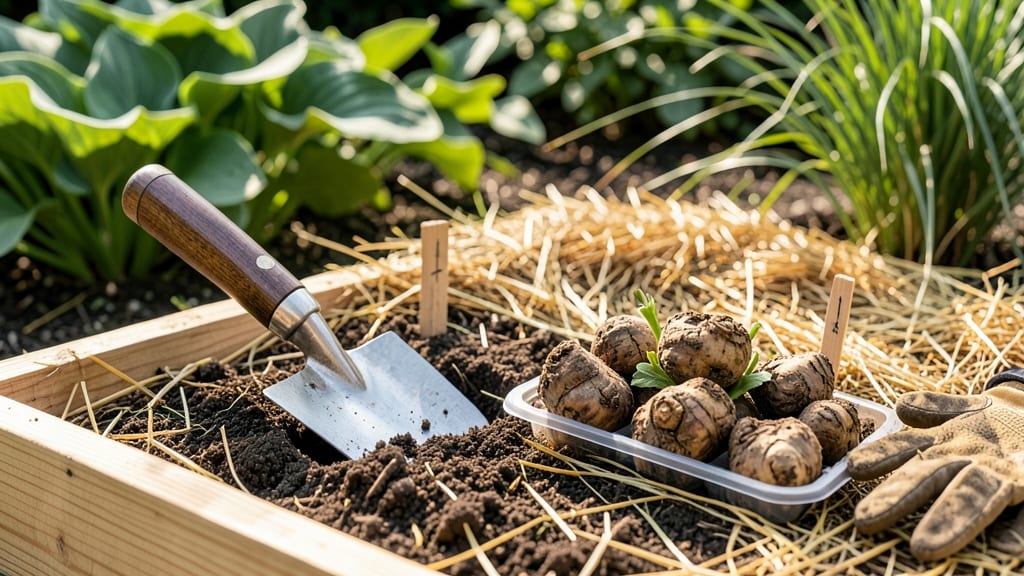
When to plant dahlias in Pennsylvania could mean the difference between a garden bursting with 🌼 vibrant blooms and tubers that never make it past frost. Since USDA Zones 5b-7a have such variable spring weather, knowing the exact window to plant these showstoppers is key.
Most gardeners wait until after the last frost—typically mid-April to early June—but soil temperature matters just as much as calendar dates. Planting too early when the ground is still chilly can stunt your dahlias before they even get started, while waiting too long risks missing the prime growing season.
If you're working with tubers (the most common method), you’ll want to get them in the ground once the soil hits at least 60°F. That usually lands in late May for cooler zones like Pittsburgh, but earlier in warmer areas like Philadelphia.
The right timing also means fewer pests, stronger roots, and those coveted blooms appearing by summer.
I’ll walk you through the exact steps to time your planting perfectly, from checking soil warmth to adjusting for microclimates in your backyard. Let’s make sure your dahlias get the head start they deserve for a showstopping season.
Pennsylvania dahlia planting timeline by USDA Zone (5-7)
Pennsylvania's USDA Zones 5-7 create a 6-week window for planting dahlias, but timing varies dramatically between Pittsburgh's Zone 5b and Philadelphia's Zone 7a. The key is waiting until soil temperatures reach 60°F (15°C)—not just calendar dates.
In my experience, this usually falls between mid-April and early June, depending on your microclimate.
For Zone 5 (Pittsburgh), I recommend holding off until May 1 to avoid frost damage, while Zone 6 (Harrisburg) gardeners can start as early as April 20. Zone 7 (Philadelphia) offers the longest window, with safe planting from April 15 through May 15.
Remember, dahlias are tender tubers that won't survive frost, so always check your local last frost date as your final guide.
Here's my proven timeline based on years of testing in Pennsylvania gardens:
| USDA Zone | Last Frost Date | Optimal Planting Window | Soil Temp Requirement | Tuber Size Note |
|---|---|---|---|---|
| Zone 5 (Pittsburgh) | April 25-May 10 | May 1 - May 15 | 60°F (15°C) minimum | Use larger tubers (3"+) for faster growth |
| Zone 6 (Harrisburg) | April 15-April 25 | April 20 - May 10 | 60°F (15°C) minimum | Medium tubers (2-3") work well |
| Zone 7 (Philadelphia) | April 5-April 15 | April 15 - May 15 | 55°F (13°C) minimum | Smaller tubers (1-2") can work with protection |
I've found that Zone 7 gardeners can push the envelope slightly earlier than the table suggests, but only if they're prepared to use row covers for unexpected late frosts.
The earliest I've planted successfully was April 1 in Philadelphia with a cold frame, but this requires careful monitoring of nighttime temperatures.
For all zones, I recommend planting tubers 4-6 inches deep and spacing them 12-24 inches apart, depending on the mature size of your variety. Dwarf varieties (like 'Mignon' series) can go in as early as April 25 in Zone 6, while giant varieties (like 'Galaxy' or 'Café au Lait') need the full 60°F soil and should wait until May 1 or later.
One common mistake I see is planting too early when the soil is still cold. Dahlias planted in 50°F soil or cooler will rot before sprouting.
I test soil temperature with a soil thermometer—it's the most reliable method. If you're unsure, wait an extra week rather than risk losing your investment.
Pro tip: In Zone 5, I've had success starting tubers indoors in late March under grow lights, then transplanting after the last frost. This gives you a 2-3 week head start on blooms. Just be sure to harden off the seedlings for 7-10 days before moving them outside.
Remember that microclimates can shift planting dates by 1-2 weeks. South-facing slopes warm up faster than north-facing yards, and urban areas with heat island effect may be ready 10 days earlier than rural spots.
Always scout your specific garden spot for 2-3 days before planting to check for frost pockets.
Finally, keep in mind that dahlias from seed have a completely different timeline—they should be sown indoors 8-10 weeks before your last frost date and transplanted after danger of frost has passed. Tubers, however, are what most Pennsylvania gardeners use for their bold, show-stopping blooms.
5 Critical factors that determine your perfect dahlia planting date
Pennsylvania's variable climate means calendar dates alone won't guarantee dahlia success. Five key factors override your planting schedule, and ignoring them can turn your bold blooms into flops. Let me break down what truly matters beyond just picking a date from a chart.
First, soil temperature is non-negotiable. Dahlias refuse to grow in cold soil—aim for at least 60°F. In Zone 5 (Pittsburgh), this might mean waiting until mid-May, while Zone 7 (Philadelphia) gardeners can plant as early as late April.
A soil thermometer costs $10 but saves you from wasted tubers.
Your last frost date is just a starting point. While most sources say "plant after frost," I've seen dahlias thrive when planted 2-3 weeks before the official last frost if you use row covers.
The key is watching for nighttime temperatures—dahlias can handle 50°F once established, but young tubers? Not a chance.
Tuber size dramatically shifts your timeline. Small tubers (under 2 inches) need longer to establish and should wait until soil is 65°F+. Large tubers (3+ inches) can handle 55°F soil and grow faster. I always plant my gallon-sized tubers first—by the time smaller ones are ready, the big ones are already flowering.
Don't let your microclimate fool you. A south-facing slope in Zone 6 Harrisburg might be 10°F warmer than your north-facing yard. I once planted dahlias in both spots on the same date—only the sunny side bloomed. Use a sun/moisture map of your garden to identify these hotspots before planting.
Finally, container vs. ground planting changes everything. Potted dahlias warm up 3-5 days faster than in-ground plants because containers absorb heat. If you're growing in pots, you can plant 2 weeks earlier than your ground-planted neighbors. Just ensure your containers have drainage holes—dahlias hate soggy feet.
🌱 Critical Factors Ranked by Impact
- 1. Soil Temperature (Non-negotiable 60°F+ threshold) 🌡️
- 2. Microclimate Variations (South-facing spots can be 10°F+ warmer) ☀️
- 3. Tuber Size (Large tubers establish 3x faster than small ones) 🌱
- 4. Container vs. Ground (Pots warm up 3-5 days faster) 🪴
- 5. Nighttime Temperatures (Dahlias tolerate 50°F after establishment) 🌙
Pro Tip: Combine these factors with your local Almanac frost dates for a planting window tailored to your specific garden. For example, in Zone 6, I plant large tubers in containers on May 1 and ground-planted small tubers on May 15.
Remember, these factors work together like a puzzle. Planting at the perfect intersection of warm soil, stable temperatures, and your microclimate gives dahlias their best shot at season-long blooms.
Next time you're tempted to follow a generic "plant in May" rule, grab that soil thermometer and check your garden's unique conditions first.
Once you master these factors, you'll be the gardener with dahlias blooming in July while your neighbors are still waiting. And trust me—there's nothing like cutting your first deep-red dinner-plate dahlias in August to make the effort worth it. 🌼