
Plants
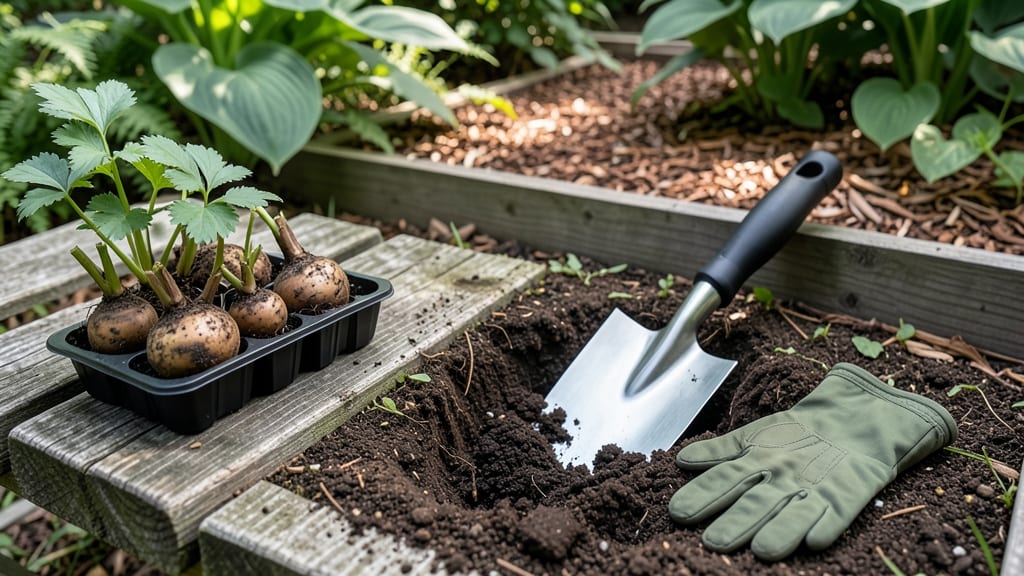
Planting dahlia bulbs in Wisconsin at the wrong time can mean the difference between a garden bursting with 🌸 blooms and a sad, frost-killed disappointment. With Wisconsin’s unpredictable spring weather—where last frost dates can swing by weeks—getting the timing right is absolutely critical. Whether you’re a seasoned gardener or just starting, knowing when to plant these stunning tubers ensures your dahlias thrive from July through October.
Most gardeners in USDA zones 4b-5b wait until mid-April to mid-May, but that’s not a one-size-fits-all rule. Soil temperature matters more than calendar dates—dahlias need at least 60°F soil to sprout without risking frost damage.
I’ll show you exactly how to check your soil and adjust your planting schedule based on Wisconsin’s regional differences, so you never guess again.
Here’s the game-changer: a simple soil temperature checklist that accounts for Wisconsin’s microclimates, from Milwaukee’s warmer pockets to the Northwoods’ slower-warming soils.
You’ll also discover proven strategies to protect your tubers if an unexpected frost sneaks in, ensuring your dahlias bloom on schedule no matter what Mother Nature throws your way.
Ready to transform your garden into a dahlia paradise? Let’s dive into the exact steps—from soil prep to frost-proofing—that will have your tubers sprouting strong and your blooms lasting all summer. Your zero-frost-shock planting plan starts here.
Wisconsin’s ideal soil temperature for planting dahlia bulbs (with exact degree rules)
Dahlias are tender perennials that need warm soil to thrive—planting too soon in cold Wisconsin soil risks rot and stunted growth. The magic number is 50°F, but 60°F+ soil is ideal for fast root establishment.
Southern Wisconsin (like Madison) often hits this by mid-April, while Northern zones (e.g., Green Bay) may wait until late May.
Why soil temp matters: Dahlias won’t sprout below 50°F, and roots struggle to absorb nutrients in chilly conditions. Even if air temps feel spring-like, ground stays cold longer—especially in shady or wet areas. Use a soil thermometer (or the potato test below) to avoid guessing.
🌱 Pro Tip: Test soil temp 1 inch deep—this mimics where dahlia tubers will sit. Morning readings are most accurate since soil cools overnight. Aim for consistent 60°F+ for 7+ days before planting.
| Soil Temp Threshold | Planting Risk | Wisconsin Region | Action |
|---|---|---|---|
| Below 50°F | High rot risk; no sprouting | All regions (April) | Wait or use frost protection |
| 50–59°F | Slow growth; weak roots | Southern WI (late April) | Plant with frost cloth |
| 60°F+ | Optimal; fast sprouting | All regions (May) | Plant directly in ground |
No thermometer? Try the potato test: Bury a raw potato overnight. If it’s soft in the morning, soil is ~50°F. For 60°F+, the potato stays firm. Test in multiple spots—Wisconsin’s microclimates can vary by 5°F+ just blocks apart.
Wisconsin’s USDA Zones 4b–5b create 3 planting zones:
- Southern WI (Madison, Milwaukee): Mid-April to early May
- Central WI (Green Bay, Wausau): Late April to mid-May
- Northern WI (Minocqua, Hayward): Late May to early June
Check your local frost dates via the Wisconsin State Climatology Office for precision.
Amend clay-heavy soil (common in WI) with compost or sand to improve warmth retention. Darker soil (like black compost) absorbs heat faster than light-colored soil. Mulch with straw after planting to maintain stable soil temps.
If you’re eager to start early, pre-sprout tubers indoors under grow lights (place tubers in moist peat moss at 70°F for 4–6 weeks). Transplant when soil warms up—this jump-starts growth but requires frost protection for the first 2–3 weeks.
Watch for late frost warnings from the National Weather Service. Even in May, Wisconsin can see 28°F dips—use row covers until danger of frost passes. Hardened dahlias (like ‘Bishop’) tolerate 28°F briefly, but most varieties need protection.
Remember: Rushing dahlias leads to stunted blooms or rotten tubers. Patience pays off with vibrant summer color—aim for 60°F+ soil and you’ll avoid Wisconsin’s #1 gardening nemesis: late frost! 🌸
Best planting timeline for Wisconsin: month-by-month calendar by region (south vs. north)
Wisconsin’s last frost dates can vary by 3-4 weeks between southern cities like Milwaukee and northern regions near the Northwoods. This means your dahlia planting timeline should shift based on where you live.
For example, gardeners in Madison can plant as early as mid-April, while those in Green Bay should wait until late May to avoid frost damage.
Use this region-specific calendar to pinpoint your ideal planting window. The key rule: Never plant until soil reaches 60°F and nighttime temperatures stay above 50°F consistently.
I’ll break it down by Wisconsin’s three main climate zones—Southern, Central, and Northern—so you can match your schedule to local conditions.
⚠️ CRITICAL: Even if your area’s average last frost is in early April, wait for soil warmth. A cold snap in late April can still kill tender dahlia sprouts. Use the potato test (bury a raw potato in soil overnight; if it’s soft in the morning, soil is warm enough) or a soil thermometer for accuracy.
| Region | Average Last Frost | Ideal Planting Window | Soil Temp Goal | Frost Risk |
|---|---|---|---|---|
| Southern WI (Milwaukee, Kenosha) | April 10–15 | Mid-April to early May | 60°F+ | Low (after April 20) |
| Central WI (Madison, Milwaukee) | April 20–May 1 | Late April to mid-May | 60°F+ | Moderate (late frost possible) |
| Northern WI (Green Bay, Northwoods) | May 10–20 | Late May to early June | 60°F+ | High (until June 1) |
🌱 Pro Tip: Southern WI gardeners can start tubers indoors in late March for a head start, but Northern WI should wait until soil warms naturally.
If you’re in Central Wisconsin (like Madison), aim to plant by May 1 to ensure blooms by July. But don’t rush—late April is safer if your soil is still chilly.
For Northern Wisconsin, patience pays off. Waiting until late May or early June reduces frost risk, even if it means missing a few early blooms.
What if you miss the window? Dahlias are perennial in Wisconsin’s climate, so you can plant tubers as late as mid-June for fall blooms. Just expect smaller flowers and shorter stems. For maximum impact, though, stick to the early-spring timeline and use frost cloths as a backup.
For real-time updates, check the Wisconsin State Climatology Office or your local UW-Extension for 10-day forecasts before planting. A few extra days of waiting can save your entire dahlia patch from frost shock.