
Plants
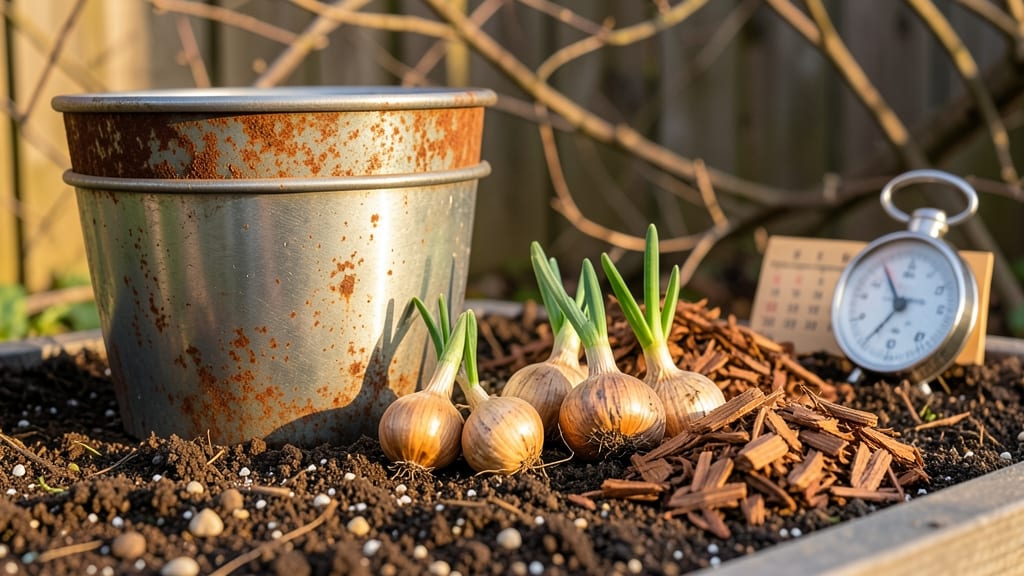
Timing is everything when it comes to planting daffodils 🌼 in Washington State—get it wrong, and you might end up with weak blooms or even early "bolting" (those unsightly flowers popping up too soon).
The key to vibrant spring displays lies in understanding your microclimate, whether you're in the cooler Puget Sound region or the warmer Columbia Basin.
Most gardeners in USDA zones 6b-8b swear by fall planting, but the exact window varies by location. Too early, and your bulbs might sprout before winter sets in; too late, and they won’t establish strong roots before the ground freezes.
I’ll break down the perfect planting schedule for your specific corner of Washington, so you can avoid common mistakes and enjoy those cheerful blooms year after year.
What if your yard has pockets of shade or unexpected heat? Microclimates can shift ideal planting dates by weeks—even within the same city. I’ll show you how to read your landscape like a pro, so you’re not guessing whether October or November is the right time for your daffodils.
Let’s dive into the secrets that’ll make your garden the envy of the neighborhood.
Ready to transform your fall planting routine? By the end of this guide, you’ll know exactly when to tuck those bulbs into the soil, how deep to plant them, and even how to protect them from Washington’s unpredictable weather. No more second-guessing—just confident, bolt-free daffodils come spring.
Optimal planting windows for Washington State’s 3 climate zones
Washington State’s diverse geography—from the rain-soaked Puget Sound to the dry Columbia Basin—means daffodil planting dates vary wildly. In Zone 6b (e.g., Spokane), you’ll plant 4-6 weeks before frost (late September to early October), while Zone 8b (e.g., Yakima) allows planting until mid-November.
The key? Align with your last average frost date and soil temperature trends.
For Puget Sound gardens (Zones 7b-8a), aim for October 1-15. The region’s mild winters and high rainfall create a longer window, but avoid planting after November 1—bulbs need 6-8 weeks of chill to bloom properly.
In Eastern WA (Zones 6b-7a), like Wenatchee or Pullman, shift planting to September 15-October 15 to beat early freezes.
The Columbia Basin (Zone 7b-8b) offers the latest window: October 15-November 15. Here, hot, dry summers and cold winters demand deeper planting (6-8 inches) to protect bulbs from temperature swings. Use local frost charts (like those from the WA State University Extension) to fine-tune your timing.
🌼 Pro Tip: Test soil temperature with a soil thermometer—ideal planting temps are 40-50°F. If soil stays above 50°F for weeks, bulbs may sprout too early and weaken.
| Climate Zone | USDA Zone | Optimal Planting Window | Key Consideration |
|---|---|---|---|
| Puget Sound | 7b-8a | October 1-15 | High rainfall; avoid late planting |
| Eastern WA | 6b-7a | September 15-October 15 | Early frost risk; plant sooner |
| Columbia Basin | 7b-8b | October 15-November 15 | Hot summers; deeper planting |
🌱 Note: Adjust for microclimates (e.g., urban heat islands plant 1-2 weeks later).
Don’t stress if you miss the ideal window—daffodils tolerate late fall planting (up to December 1) in Zones 7b+. However, bulbs planted after December 15 may bolt prematurely due to warmer soils.
For late plantings, chill bulbs in the fridge for 4-6 weeks before planting to mimic winter conditions.
In Zone 6b (e.g., Mount Rainier area), plant by October 1 or risk frost damage. Use mulch (straw or leaves) to insulate bulbs if early freezes hit. For Zone 8b (e.g., Walla Walla), extend planting to November 15, but water deeply afterward—drought stress weakens bulbs before winter.
For container gardening, plant daffodils in October-November regardless of zone. Pots warm up faster, so bury containers in the ground or use black plastic mulch to cool soil. In coastal areas (e.g., San Juan Islands), plant 1-2 weeks later than inland zones—cooler maritime air delays frost.
🌿 Key Takeaway: Washington’s 3 zones require 3 distinct timelines. Use local frost data (check Almanac.com) and soil temp as your guides. Planting too early risks rot; too late risks bolting.
Next, we’ll dive into how microclimates—like urban heat islands or shaded garden nooks—can shift your planting date by weeks. Spoiler: Your neighbor’s perfect timing might not work for you!
Microclimate factors that change planting timing (and how to adapt)
Washington State’s diverse geography means your neighbor’s perfect planting window might not work for you. Coastal areas like Seattle (Zone 8a) experience milder winters, while inland spots like Spokane (Zone 6b) face harsh freezes.
Even within a city, a south-facing slope can be 5-10°F warmer than a shaded valley, shifting ideal planting dates by weeks.
Urban heat islands—where pavement and buildings trap warmth—can push planting dates 2-3 weeks later than rural areas. If your garden sits near concrete or asphalt, your bulbs may need to wait until mid-November to avoid premature sprouting. I’ve seen daffodils bolt in October in downtown Tacoma when planted too early!
Elevation plays a huge role too. For every 1,000 feet gained, temperatures drop about 3.5°F. That means Mount Rainier’s foothills (Zone 5) should plant in early October, while Yakima’s valleys (Zone 7) can wait until November.
Use the USDA Plant Hardiness Zone Map and add/subtract based on your elevation.
🌡️ Pro Tip: Check your local first frost date (find it via the National Weather Service), then plant 4-6 weeks before that date. For example, Port Angeles (Zone 8b) averages first frost on November 15th, so aim for late September to early October.
Coastal gardens benefit from ocean breezes, which delay frost and extend the growing season. In Olympia or Bellingham (Zone 8a), you can plant as late as early December—but only if the soil stays workable.
Test it: If you can push a trowel into the ground without it crumbling, it’s ready!
🌿 Microclimate