
Plants
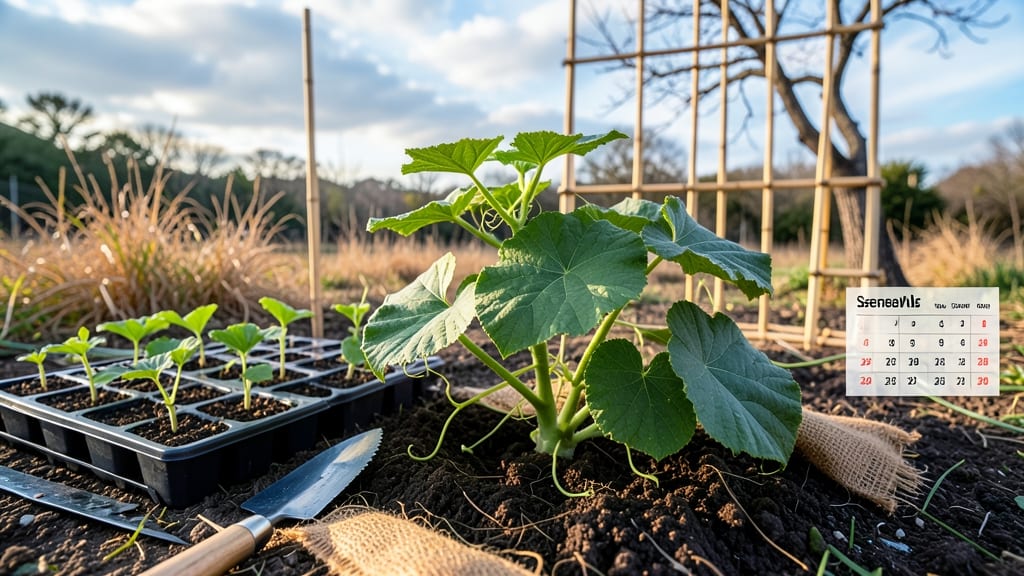
If you’ve ever planted cucumbers in Zone 9b only to watch them bolt before producing a single fruit, you’re not alone.
The key to success lies in understanding when to plant cucumbers in Zone 9b—timing isn’t just about seasons, but soil warmth and heat triggers that can make or break your harvest.
Unlike cooler climates, Zone 9b’s mild winters and scorching summers demand a different approach. Planting too early risks heat stress, while waiting too long can cut your growing window short.
The secret? Start seeds indoors or use transplants when soil temperatures dip below 90°F, typically in late winter or early spring.
This isn’t just about avoiding bolting—it’s about maximizing your harvest window. With the right timing, you can stretch your cucumber season from March through June, even in desert climates like Phoenix.
I’ll walk you through the exact soil temperature triggers, regional tweaks for coastal vs. inland areas, and simple strategies to keep your plants thriving.
Ready to turn your cucumber dreams into a bountiful reality? Let’s dive into the game-changer techniques that’ll have you picking crisp, fresh 🥒 all season long.
Zone 9B cucumber planting calendar: soil temperature triggers to avoid bolting
In Zone 9B, where winters stay mild and summers blaze, cucumbers thrive—but only if planted at the right time. The key to success lies in soil temperature triggers, not frost dates, since this zone rarely sees freezing temps.
Cucumbers bolt (prematurely flower and fruit) when stressed by heat or drought, so timing your planting window around 55°F soil warmth is critical.
Unlike cooler climates, Zone 9B gardeners must avoid planting too early when residual summer heat lingers in the soil. Instead, aim for late winter to early spring, when daytime highs hover around 70-75°F and nights dip below 60°F.
This balance gives seedlings time to establish roots before summer’s intensity peaks.
Here’s the golden rule: Wait until soil temps consistently stay above 55°F at a depth of 2 inches. Use a soil thermometer to monitor—this small tool prevents costly mistakes.
In Phoenix or inland desert areas, this typically lands in mid-February to early March, while coastal regions like San Diego may start slightly earlier.
🌱
| Planting Window | Soil Temp Trigger | Air Temp Range | Zone 9B Timing | Risk if Missed |
|---|---|---|---|---|
| Early Season (Cool-Loving) | 55°F+ (2 inches deep) | 60-75°F (day) | Mid-Feb to Early Mar | Bolting from residual heat |
| Late Season (Heat-Tolerant) | 60°F+ (2 inches deep) | 75-85°F (day) | Late Aug to Early Sep | Poor fruit set in extreme heat |
| Succession Planting | 55-60°F (2 inches deep) | 65-70°F (day) | Every 2-3 weeks | Gaps in harvest window |
🌡️ Pro Tip: Use a soil thermometer for 3 days to confirm consistency.
For extended harvests, Zone 9B gardeners can plant cucumbers in two waves: once in early spring (February-March) for a summer crop, and again in late summer (August-September) to beat the worst heat.
The late-season window works because daytime temps drop slightly in fall, giving plants a second chance to thrive.
However, avoid planting in peak summer months (June-July) unless you’re using shade cloth or drip irrigation. Direct sun during these months can push soil temps above 90°F, shocking seedlings and triggering bolting within days.
If you must plant in summer, opt for heat-tolerant varieties like ‘Straight Eight’ or ‘Lemon Cucumber’ and provide afternoon shade.
Microclimates matter in Zone 9B. Inland areas like the Sonoran Desert experience more extreme heat, while coastal regions enjoy milder temps. Adjust your planting by 1-2 weeks based on your specific location. For example, Palm Springs may start in early February, while San Diego can begin in late January.
💧
To prepare your soil for planting, focus on organic matter and moisture retention. Amend your garden bed with compost or aged manure to improve drainage and fertility. Cucumbers are heavy feeders, so a side dressing of balanced fertilizer (5-10-10) at planting time gives them a strong start.
Mulch with straw or black plastic to regulate soil temperature and suppress weeds.
Once planted, monitor your cucumbers for signs of heat stress, such as yellowing leaves or curled vines. These are early warnings that your plant is struggling with the Zone 9B climate.
Increase watering frequency during heatwaves, aiming for 1-2 inches of water per week, and avoid wetting the foliage to prevent fungal diseases like powdery mildew.
By syncing your planting with soil temperature triggers and adjusting for local microclimates, you’ll avoid bolting and enjoy a bountiful cucumber harvest from spring through fall. The secret? Precision timing and a little extra care in this warm, sun-drenched zone.
Zone 9B cucumber planting calendar: soil temperature triggers to avoid bolting
Timing cucumber planting in Zone 9B hinges on soil temperature, not just calendar dates. Unlike cooler zones, your plants need soil to warm to 55°F or higher before transplanting—any earlier, and you risk heat stress or bolting.
In Phoenix or desert areas, this typically means waiting until late winter (February-March) when daytime temps stabilize below 90°F.
Your frost-free window in Zone 9B is year-round, but heat is the real enemy. Cucumbers bolt (flower prematurely) when exposed to consistent 95°F+ soil temps. The solution?
Start seeds indoors in January (6-8 weeks before last frost) or use transplants when soil cools slightly in late February—this gives vines time to establish before summer’s peak heat arrives.
Here’s the critical timeline for Zone 9B: Plant outdoors when soil hits 55°F (usually late February to early March), then harvest by June before summer’s relentless sun triggers bolting. Coastal areas like San Diego may plant 1-2 weeks earlier due to milder microclimates.
🌱 Zone 9B Cucumber Planting Summary
| Stage | Action | Soil Temp | Month |
|---|---|---|---|
| Start Seeds Indoors | 6-8 weeks before transplant | N/A | January |
| Transplant Outdoors | After soil warms to 55°F | 55°F+ | Late Feb–Early March |
| Harvest Window | Pick every 2-3 days | 60°F–85°F | March–June |
| Avoid Planting | When soil >90°F | 90°F+ | July–August |
💡 Pro Tip: Use a soil thermometer to confirm temps—Zone 9B’s desert soils can heat up faster than coastal areas.
For extended harvests, stagger plantings every 2 weeks from February through April. This ensures a continuous supply while avoiding the June heat crash that triggers bolting. In inland deserts, pair cucumbers with shade cloth (30-50%) once temps exceed 85°F to protect delicate vines.
Remember: Zone 9B’s long growing season is a double-edged sword. While you avoid frost, you must outsmart the heat. By syncing plantings with soil warmth and microclimate adjustments, you’ll turn bolting risks into a reliable 3-month harvest—not just a gamble.