
Plants
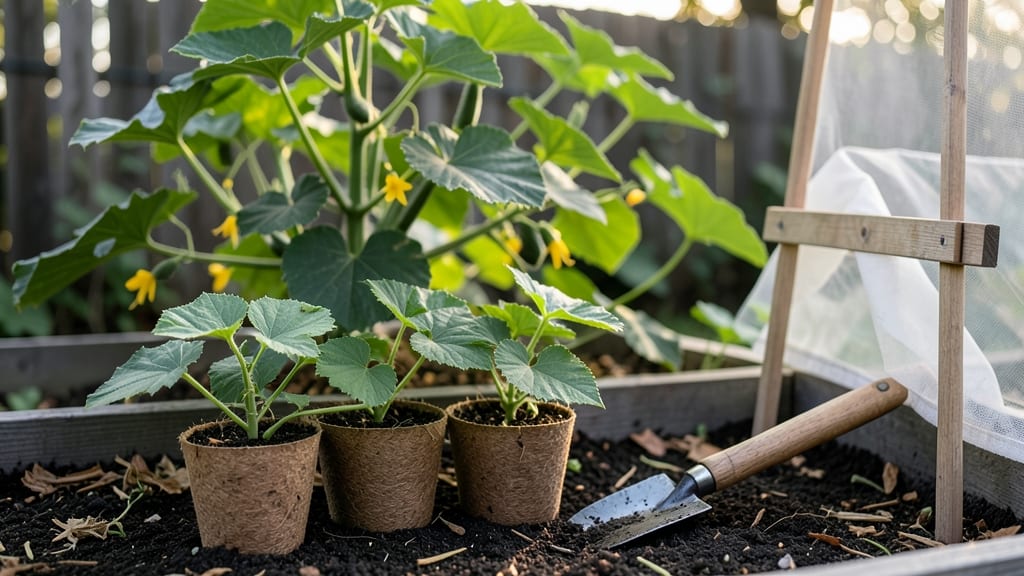
If you’ve ever planted cucumbers in Zone 6a only to watch them bolt into bitter flowers before producing a single 🥒, you’re not alone. The key to success lies in timing—specifically, waiting for soil temperatures to hit that critical 60°F threshold before sticking seeds in the ground.
Most gardeners in Zone 6a make the mistake of planting too early, risking frost damage or stunted growth. But with the right approach, you can extend your harvest from July right through September by understanding your local frost dates and soil conditions.
Let’s break down the exact steps to get your cucumbers off to a productive start.
This isn’t just about avoiding frost—it’s about creating the perfect environment for your plants to thrive. We’ll cover how to use soil thermometers, adjust planting schedules for bush vs. vining varieties, and even extend your growing season with simple tricks like row covers and mulch.
Ready to turn your cucumber patch from a gamble into a guaranteed harvest? Let’s dive into the exact timing and techniques that work in Zone 6a, so you can enjoy crisp, sweet cucumbers all summer long.
Zone 6a cucumber planting calendar: soil temperature triggers by variety
In Zone 6a, cucumbers thrive when planted after the last frost date—typically around April 15—but timing isn't just about dates. The real secret lies in soil temperature.
Cucumbers need soil that's warmed to at least 60°F (15.5°C) for optimal germination and growth. Planting too early in cold soil leads to stunted plants or worse, bolting (premature flowering).
I’ve learned this the hard way—my first attempt with 'Straight Eight' cucumbers in late April failed because the soil was still chilly. The seeds sprouted, but the seedlings struggled, leaving me with bitter, underdeveloped fruit. Since then, I’ve tracked soil temps religiously and adjusted my planting schedule accordingly.
Here’s the exact breakdown you need for Zone 6a, including soil temperature triggers and ideal planting windows for both bush and vining varieties:
| Variety Type | Soil Temp Trigger | Planting Window | Days to Harvest | Notes |
|---|---|---|---|---|
| Bush Varieties (e.g., 'Bush Champion') | 60°F+ | Late April to early May | 50-55 days | Compact, ideal for containers or small gardens. |
| Vining Varieties (e.g., 'Straight Eight', 'Marketmore') | 60°F+ | Early to mid-May | 55-70 days | Requires trellis; higher yield but needs space. |
| Parthenocarpic (e.g., 'Sweet Success') | 60°F+ | Mid-May to early June | 50-60 days | No pollination needed; great for greenhouses or containers. |
For Zone 6a, I recommend using a soil thermometer to confirm temps before planting. Stick it in the ground 2-3 inches deep (where seeds will be) and wait until it consistently reads 60°F or warmer for at least 3 days.
This ensures your cucumbers get off to a strong start.
If you’re unsure about your last frost date, check the Almanac’s Frost Calculator for your specific location. In my area, late April is risky, so I’ve started planting bush varieties in early May as a safety measure. For vining types, I wait until mid-May to avoid stunted growth.
Pro tip: If you’re eager to start earlier, consider black plastic mulch or row covers. These can warm the soil faster and protect seedlings from late frosts. I’ve seen a 10-15°F difference in soil temps with black plastic, which can shave weeks off your planting timeline.
Once planted, monitor your cucumbers closely. If they start to bolt (send up flowers prematurely), it’s a sign they’re stressed from heat or cold. In Zone 6a, bolting often happens if planted too early or during sudden temperature swings.
To prevent this, choose heat-tolerant varieties like 'Lemon Cucumber' or 'Armenian Cucumber' for later plantings.
Finally, remember that succession planting can extend your harvest. After your first planting, sow a second batch 2-3 weeks later to keep cucumbers coming all summer. In my garden, this means a July harvest from the second planting, just as the first batch starts to fade.
With these soil temperature triggers and planting windows, you’ll avoid the common pitfalls of bitter cucumbers or wasted seeds. Happy planting—your taste buds (and dinner table) will thank you! 🥒
Zone 6a cucumber planting calendar: soil temperature triggers by variety
In Zone 6a, cucumbers thrive when planted after the last frost—typically between late April and early May—but soil temperature is the real game-changer. Cold soil (50°F or below) slows germination, while waiting until 60°F+ ensures strong, bolt-free growth.
Varieties like 'Straight Eight' (bush type) and 'Marketmore' (vining) have slightly different sweet spots, so let’s break it down.
Your last frost date in Zone 6a usually lands around April 15, but don’t rush—cucumbers are warm-season crops that need consistent heat. A soil thermometer (just $10 on Amazon) is your best friend here.
Check temperatures at 4 inches deep—this is where roots actually grow. If it’s below 60°F, hold off for 7–10 days or use black plastic mulch to warm the soil faster.
Here’s the golden rule: Plant bush cucumbers (like 'Bush Champion') 2–3 weeks earlier than vining types (like 'Lemon Cucumber'). Bush varieties tolerate slightly cooler soil better and mature faster, giving you an edge in shorter Zone 6a summers.
For vining cucumbers, wait until mid-May to avoid leggy, weak plants that bolt prematurely.
| Variety Type | Ideal Planting Window | Soil Temp Requirement | Days to Harvest | Zone 6a Notes |
|---|---|---|---|---|
| Bush Cucumbers | Late April–Early May | 60°F+ (15°C+) | 50–55 days | Compact; great for containers |
| Vining Cucumbers | Mid-May–Early June | 65°F+ (18°C+) | 60–70 days | Needs trellis; longer season |
| Slicing (e.g., 'Straight Eight') | Early May | 60°F+ (15°C+) | 55–60 days | Classic flavor; heat-tolerant |
| Pickling (e.g., 'Boston Pickling') | Late May | 65°F+ (18°C+) | 50–55 days | Small fruit; needs warm soil |
🌱 Pro Tip: Use a frost calendar for your exact location (e.g., Old Farmer’s Almanac) to fine-tune dates.
If you’re starting seeds indoors, begin 4–6 weeks before your target outdoor planting date. Use biodegradable pots to avoid root disturbance, and harden off seedlings for 7–10 days before transplanting.
Hardening off means gradually exposing seedlings to outdoor conditions—start with 1–2 hours/day in a sheltered spot, then increase to full sun.
For container gardening in Zone 6a, choose bush varieties or dwarf vining types like 'Spacemaster'. Containers warm up faster than garden beds, so you can plant 1–2 weeks earlier. Just ensure pots have drainage holes and use a lightweight potting mix to prevent root rot.
A 5-gallon container works for 1–2 plants, while 10-gallon pots support vining types with trellises.
Remember: Bolting (premature flowering) is your biggest enemy in Zone 6a. It’s triggered by cold nights or inconsistent soil temps. To prevent it, use row covers for the first 2–3 weeks after planting, especially if nights dip below 55°F.
This gives plants a head start before they’re exposed to cooler fall temperatures.