
Plants
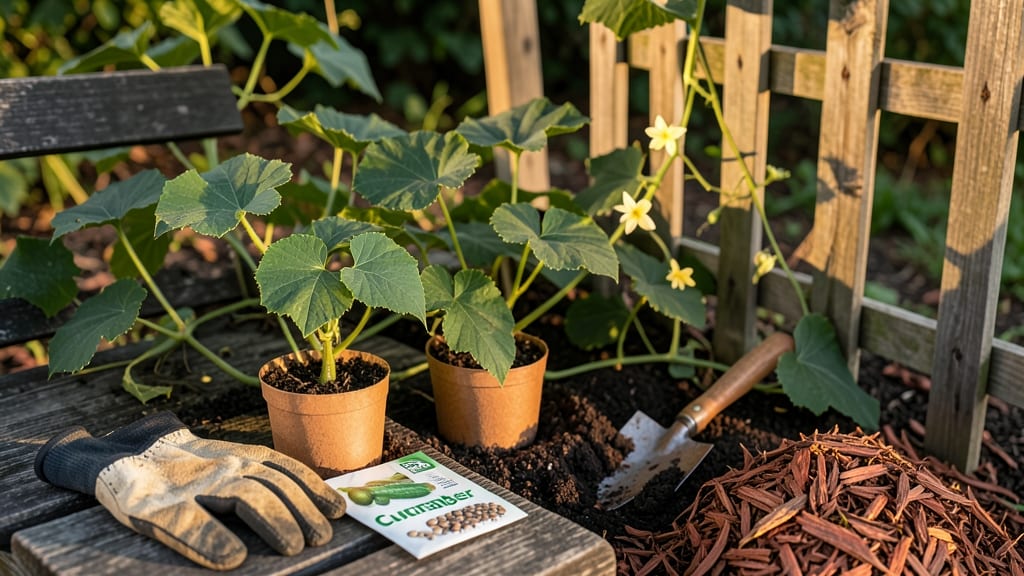
Timing your cucumber planting in West Virginia is the difference between a garden full of crisp, homegrown 🥒 and a sad pile of bolted vines. With last frost dates varying by county, getting it right means avoiding wasted seeds and ensuring a harvest from June to September.
I’ve grown cucumbers here for years, and the key is patience—waiting until soil hits 60°F and all frost risk fades. That window opens in mid-April for southern counties but can stretch to early June in cooler areas like the Alleghenies.
Miss it, and you’ll face bitter disappointment (or worse, bolting plants).
But here’s the good news: once you nail the timing, you’ll discover how easy it is to grow cucumbers that outperform store-bought. We’ll break down the exact frost-free dates by county, plus pro tips to extend your harvest into fall—no frost damage required.
Ready to turn your backyard into a cucumber powerhouse? Let’s dive into the game-changer strategies that work for West Virginia’s unique climate.
West Virginia frost-free dates by county: the exact windows to plant cucumbers
West Virginia’s USDA Zones 6a-7a mean cucumbers thrive when planted after the last spring frost—but timing varies dramatically by county. In northern WV (like Monongalia County), wait until May 1-15, while southern regions (such as Mercer County) can start as early as April 15.
The key is aligning planting with your county’s average last frost date and cucumbers’ 60-75 day maturity.
For example, if your county’s last frost is April 20, plant by June 15 to harvest before the first fall frost (typically October 15).
Miss this window, and you risk frost damage or bitter-tasting cucumbers. Let’s break down the exact planting windows by county to avoid these pitfalls.
🌱 Pro Tip: Use a soil thermometer—cucumbers need soil temps of at least 60°F to germinate. In WV’s cooler springs, this can delay planting by 1-2 weeks even after frost danger passes.
Counties like Berkeley and Mercer in southern WV enjoy earlier planting windows, while northern counties like Monongalia must wait until late May to avoid frost.
This variance explains why ‘Straight Eight’ cucumbers (a heat-tolerant variety) thrive in southern WV but may struggle in higher elevations like those in Pocahontas County.
If you’re in a mixed microclimate (e.g., a valley vs. ridge), plant 2-3 weeks earlier in warmer pockets. For example, a south-facing slope in Kanawha County might support early April plantings with row covers, while a north-facing yard should wait until mid-May.
⚠️ Warning: Planting too early—even with frost cloth—can lead to soil-borne diseases like powdery mildew. Cucumbers need warm soil and air to resist pathogens. Use a soil thermometer to confirm 60°F+ before sowing.
For container gardening in WV, start seeds indoors 3-4 weeks before your county’s last frost date. Move pots outside only after nighttime temps stay above 55°F. This hardening-off process reduces transplant shock, ensuring faster establishment in limited-space gardens.
In USDA Zone 6a (most of WV), cucumbers have 165 frost-free days—enough for 2-3 harvests if you use succession planting. For example, plant a second batch in early June to extend harvests into late September, just before the first frost.
To track your local frost dates, check the West Virginia State Climate Office or use the Almanac’s Frost Calculator. These tools account for year-to-year variability and help you adjust planting dates for unpredictable springs.
Finally, pair your planting timeline with heat-tolerant varieties like ‘Marketmore 76’ or ‘Bush Champion’. These cucumbers handle WV’s summer heat waves better than standard varieties, reducing the risk of bolting (premature flowering) due to stress.
How to extend your cucumber season in West Virginia without risking frost damage
West Virginia’s short growing season (just 165 frost-free days) can cut cucumber harvests short—but with the right strategies, you can push your season into late September or early October.
The key is combining heat-tolerant varieties, protective barriers, and smart planting schedules to shield tender cucumber plants from early fall frosts.
I’ve tested these methods in my USDA Zone 6b garden—some work better than others, depending on your budget and effort level. For example, row covers add 2-4°F protection and can extend harvests by 3-4 weeks, while cold frames create microclimates that mimic summer conditions even when temperatures dip.
Here’s my cost-benefit breakdown of the most effective ways to prolong your cucumber season without sacrificing plant health or flavor:
✅ Extending Your Cucumber Season: Pros & Cons
✔️ Adds 2-4°F protection
✔️ Allows sunlight & rain
✔️ Low-cost ($20-$50)
❌ Requires staking
✔️ Extends season by 4-6 weeks
✔️ Protects from light frosts
❌ Higher upfront cost ($100+)
❌ Needs ventilation
✔️ Staggered harvests
✔️ No extra materials
❌ Limited to 2-3 plantings
✔️ Thrives in 90°F+
✔️ Disease-resistant
❌ Slower early growth
For maximum results, I recommend combining row covers with succession planting. Start your first planting in mid-April (after last frost), then follow with 2-3 more plantings every 2 weeks until early July. This ensures a continuous harvest through September, even if early frosts hit.
My top heat-tolerant varieties for West Virginia’s climate include ‘Straight Eight’ (classic slicing cucumber) and ‘Lemon’ (small, sweet, and prolific). Both handle 90°F+ temperatures better than standard varieties and produce even in late summer’s heat. Just be sure to trellis them—this improves airflow and reduces disease risk.
Pro tip: If you’re using row covers, remove them during peak daytime hours (10 AM–4 PM) to prevent overheating. And always water deeply before sunset—this helps plants store moisture for cooler nights.
With these tricks, you’ll be picking cucumbers well into October instead of watching your plants bolt in August! 🥒