
Plants
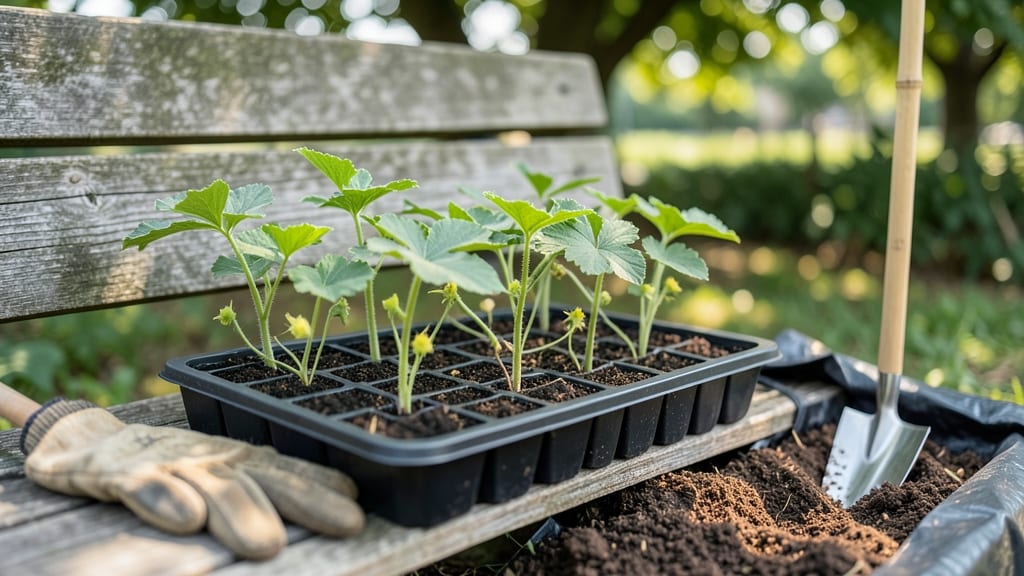
Planting cantaloupe in Virginia at the wrong time can mean the difference between juicy, vine-ripened 🍉 and bitter, bolted disappointment. This heat-loving fruit needs precise timing—too early and it’ll race to flower before the soil warms, while waiting too long risks smaller harvests before fall frosts. The secret lies in understanding your local microclimate and soil temperature thresholds.
For Virginia gardeners in zones 6a-8a, the ideal window stretches from mid-April to mid-May, but there’s more to it than just dates.
We’ll break down exactly when to start seeds indoors (or skip it entirely) and how to time direct sowing for maximum success, whether you’re in Northern Virginia’s cooler hills or the warmer Piedmont.
Even experienced gardeners make mistakes—like planting too soon after frost or ignoring soil warmth. I’ll show you how to extend the season with simple tricks (like black plastic mulch) and choose the best cantaloupe varieties for Virginia’s climate. No more guesswork, just sweeter melons.
Ready to grow cantaloupes that actually thrive? Let’s dive into the exact schedule, tools, and tips that’ll turn your garden into a 🍉 paradise—without the frustration of wasted effort.
Virginia’s ideal cantaloupe planting timeline by region (heat zones 6-8)
Virginia’s USDA zones 6-8 create distinct windows for planting cantaloupe, but timing is everything to avoid bolting (premature flowering) or stunted growth. Northern Virginia’s cooler springs demand patience, while Southern Virginia’s longer growing season allows flexibility.
Let’s break down the perfect planting schedule by region to maximize your sweet melon harvest.
First, check your local last frost date. In Virginia, this typically falls between April 1-15, but Northern Virginia (Zones 6a/6b) often sees frost until mid-April, while Southern Virginia (Zone 8a) may be frost-free by mid-March.
Cantaloupes need warm soil (70°F+) and consistent nighttime temps above 55°F—waiting for these conditions prevents seedling shock.
For direct sowing (the preferred method for cantaloupes), aim to plant seeds 2-3 weeks after your last frost date. This usually lands between April 15-May 15 for most of Virginia.
In Northern Virginia (Zones 6a/6b), hold off until mid-to-late May if early springs are chilly. Southern Virginia gardeners can start as early as early April in protected beds.
If you’re starting seeds indoors (6-8 weeks before transplanting), use biodegradable pots to avoid root disturbance. Seedlings need warmth (75°F+ soil) and full sun even indoors. Transplant outdoors only after soil reaches 70°F—hardening off seedlings for 7-10 days beforehand prevents transplant shock.
| Region | USDA Zone | Last Frost Date | Ideal Planting Window | Soil Temp Threshold |
|---|---|---|---|---|
| Northern VA | 6a/6b | April 15-May 1 | May 15-June 1 | 70°F+ (21°C+) |
| Central VA | 7a/7b | April 1-May 1 | April 15-May 15 | 70°F+ (21°C+) |
| Southern VA | 8a | March 15-April 1 | April 1-May 1 | 65°F+ (18°C+) |
🌱 Pro Tip: Use a soil thermometer to verify warmth before planting!
For late varieties (like ‘Hale’s Best’ or ‘Athena’), you can sow a second crop in early June for a fall harvest. These melons mature in 75-90 days, so aim to plant by July 1 to harvest before first frost (mid-October).
Just ensure vines have 6-8 hours of sun daily—shade reduces sweetness and yield.
Virginia’s microclimates matter! If your garden sits in a low-lying area, frost lingers longer—wait until May 15 to plant. Conversely, south-facing slopes warm up faster, allowing earlier sowing. Observe your garden’s sun exposure and soil drainage; cantaloupes hate soggy roots but need consistent moisture during flowering.
Don’t forget to test your soil pH (ideal: 6.0–6.8compost before planting. Virginia’s clay-heavy soils benefit from organic matter to improve drainage. Add a balanced fertilizer (10-10-10) at planting, then side-dress with nitrogen-rich compost when vines start running.
Timing your cantaloupe planting right ensures bolt-free growth and sweeter fruit. Northern Virginia gardeners should prioritize late May plantings, while Southern Virginia can start as early as April. Use black plastic mulch or row covers to warm soil faster if needed—we’ll cover those tricks in the next section!
🌿 Now that you’ve got your planting window locked in, let’s tackle how to extend Virginia’s short growing season for even bigger cantaloupe harvests.
How to extend the cantaloupe growing season in Virginia (cold start solutions)
Virginia’s cool spring nights and slow-warming soil can sabotage cantaloupe growth if you don’t take action. The key to success? Warming the soil faster and protecting young plants from late frosts.
I’ve tested these methods in my own garden, and they’ve helped me push my harvest window by 2-3 weeks—even in Northern Virginia’s chillier microclimates.
Start with black plastic mulch, which raises soil temperatures by 10-15°F within days. Lay it down 2 weeks before planting to give the ground a head start.
For extra insurance, pair it with row covers (like Reemay fabric) to shield seedlings from unexpected 28°F+ frosts that can occur into early May.
- 🔥 Black plastic mulch: Lay down 2 weeks before planting to warm soil to 70°F+ faster. Remove after soil stabilizes.
- 🌡️ Raised beds: Fill with compost-rich mix to heat up 5-7°F warmer than in-ground soil. Ideal for Zone 6a gardeners.
- 🌿 Row covers: Use floating fabric until plants hit 12 inches tall—removes risk of late frosts while allowing sunlight.
- 🌻 Companion planting: Surround with marigolds or nasturtiums to repel pests and warm microclimates through reflected sunlight.
For gardeners in Zone 6a/6b, consider starting seeds indoors 4-6 weeks before your last frost date. Use biodegradable pots to avoid transplant shock, and harden off seedlings by placing them outside for 2-3 hours daily starting 10 days before transplanting.
My go-to varieties for early starts are ‘Athena’ (disease-resistant) and ‘Hale’s Best’ (reliable in cool climates).
Don’t overlook drip irrigation—it keeps soil consistently moist without the temperature swings of overhead watering. Set emitters to deliver 1-2 inches per week and run them in the early morning to prevent fungal issues. I’ve seen cantaloupe vines bolt 30% less when using this method compared to random watering.
If you’re in Southern Virginia (Zone 8a), you can push the envelope further by planting a second crop in late June for a fall harvest. Choose shorter-day varieties like ‘Ambrosia’, which matures in 75-80 days and handles the shorter daylight of late summer better than standard types.
Remember: Soil temperature matters more than air temperature. Use a soil thermometer to confirm readings of 70°F+ before planting—this is your green light to start.
With these tricks, you’ll avoid the heartbreak of bolted plants or stunted fruit and enjoy cantaloupes from July through September—or even longer with smart planning. 🍉