
Plants
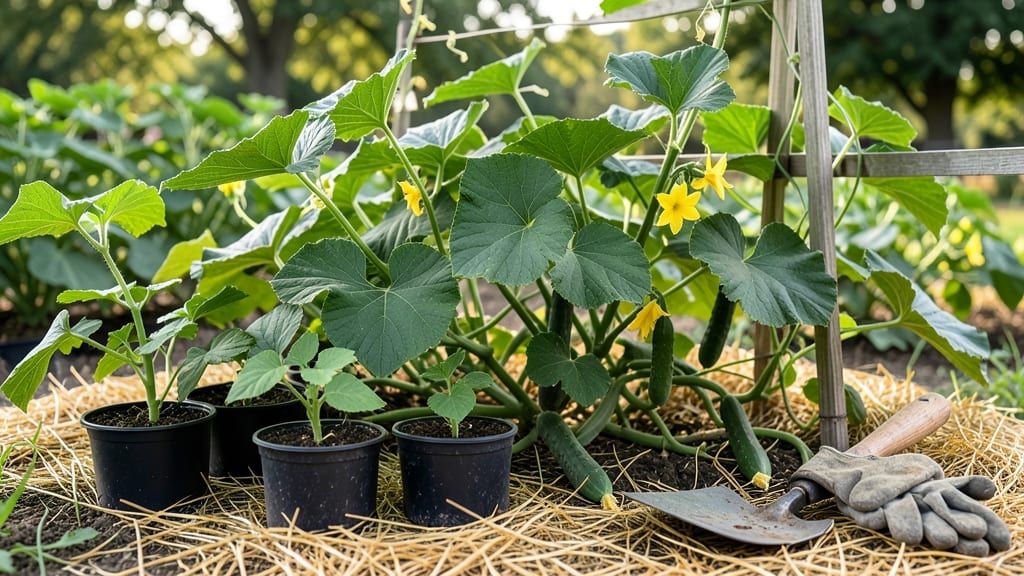
Knowing when to plant cucumbers in Pennsylvania can mean the difference between a bountiful harvest and wasted effort—especially when your 🥒 seedlings meet an unexpected frost.
Pennsylvania’s climate throws curveballs, with last frost dates shifting from mid-April in the south to early June in the north, and soil temperature is the real game-changer for fast germination.
If you’ve ever watched your cucumber seeds sit stubbornly in cold soil, waiting for the right moment to sprout, you’re not alone. The key isn’t just waiting for frost-free skies—it’s ensuring your soil hits at least 60°F, the magic number that kickstarts growth.
Without this, even the hardiest varieties will struggle, leaving you chasing a harvest that never arrives.
What if you could shave 2-3 weeks off your waiting game? That’s exactly what I’ll show you, from testing soil temps like a pro to picking the perfect cucumber varieties for Pennsylvania’s short or long growing seasons.
Whether you’re a backyard gardener or a greenhouse grower, these tricks will have you harvesting crisp, homegrown cucumbers by July.
Let’s dive into the exact planting windows, soil secrets, and variety picks that’ll turn your Pennsylvania garden into a cucumber powerhouse—no more guesswork, just guaranteed results.
Pennsylvania cucumber planting calendar: soil temperature triggers by region
Pennsylvania’s diverse climate—from the humid Southeast to the cooler Northwest—means cucumber planting windows vary by region. The golden rule? Wait until soil temperatures hit 50°F for germination and 60°F+ for optimal growth.
Cold soil delays sprouting, while premature planting risks frost damage. Let’s break down the best times for each PA region.
Southeastern PA (Philadelphia, Reading) enjoys earlier last frost dates (mid-April) and warmer microclimates. Here, you can plant cucumbers as early as late April if soil temps are stable.
Central PA (Harrisburg, Lancaster) typically waits until early May, while the cooler Northwest (Erie, State College) often delays until mid-May to avoid frost risks.
🌱 Pro Tip: Use a soil thermometer to confirm readiness—don’t rely on air temperature alone. Even if spring arrives early, cold nights can keep soil chilly.
For container gardening or greenhouses, you can start cucumbers indoors 3–4 weeks before your region’s last frost date. Transplant seedlings outdoors only after nighttime temps stay above 55°F consistently. In cooler zones, opt for bush varieties like ‘Bush Champion’—they mature faster and handle shorter seasons better.
🌡️ Watch for: A sudden heatwave after planting? Cucumbers thrive in 75–90°F soil temps. If nights dip below 50°F, use row covers to protect tender seedlings.
Succession planting is a game-changer in PA. After your first harvest in July or August, sow a second crop of fast-maturing varieties (like ‘Straight Eight’) for a late-season bounty. Just ensure you have 10–12 weeks left before your area’s first frost.
🌿 Regional Tip: In humid Southeast PA, prioritize airflow to prevent powdery mildew. Trellis vining types to keep leaves dry, or choose resistant varieties like ‘Arkansas Little Leaf.’
Finally, don’t overlook microclimates. A south-facing wall or black plastic mulch can warm soil by 5–10°F, letting you plant 1–2 weeks earlier in cooler areas. Test your spot with a thermometer for 3 consecutive days to confirm readiness.
With these regional guidelines, you’ll time your cucumber planting for maximum yield—whether you’re in Philadelphia’s urban gardens or the Poconos’ cooler highlands. Happy growing! 🥒
How to test soil temperature for cucumber germination success
Testing your soil temperature before planting cucumbers isn’t just guesswork—it’s the secret to fast, reliable germination. In Pennsylvania, where spring can swing from 40°F one day to 70°F the next, a soil thermometer becomes your best friend.
Without it, your seeds might sit in cold soil for weeks, waiting for the perfect moment to sprout.
Here’s the truth: cucumber seeds need 50°F soil to start germinating, but they’ll grow 3x faster once temps hit 60°F+. If you plant too early, you’ll waste seeds and energy.
If you wait too long, you might miss the ideal May-June planting window for a summer harvest. Let’s fix that with a simple, foolproof method.
Grab a soil thermometer (they’re cheap and reusable) and check temps at 10 AM for the most accurate reading. The ideal depth for testing is 1 inch deep, since that’s where most seeds will be planted.
If your soil is below 50°F, don’t panic—there are ways to warm it up faster than waiting for Mother Nature.
🌱 Step-by-Step Soil Temp Check
- 🌡️ Morning Test: Insert thermometer 1 inch deep in soil at 10 AM (avoid midday heat spikes).
- 📏 Check Depth: Plant seeds at same depth (usually ½–1 inch deep).
- ⏱️ Wait 24 Hours: Recheck temps—soil warms fastest after sunrise.
- 🔥 Warm Up Tricks: Use black plastic mulch or row covers to add 5–10°F to soil.
- 🥒 Plant When: Soil hits 60°F+ for 3 consecutive days.
If your soil is stubbornly cold, don’t let it hold you back. Lay down black plastic mulch 1–2 weeks before planting to raise temps by 5–10°F. This trick works especially well in Pennsylvania’s USDA zones 5b–7a, where cooler springs are common.
For even faster results, combine mulch with a cold frame or greenhouse to create a microclimate.
Pro tip: Seedling trays in a sunny window can give you a 2-week head start if soil temps are still too low. Once your seedlings are 2–3 inches tall and soil hits 60°F, transplant them outdoors.
This two-step method is a game-changer for gardeners in northern PA, where frost can linger into May.
Remember, cucumbers are warm-season crops, so rushing them in cold soil is a recipe for disappointment. With the right soil temp strategy, you’ll see sprouts in 5–7 days instead of weeks—and that means earlier harvests and more time to enjoy fresh, homegrown 🥒 all summer long.