
Plants
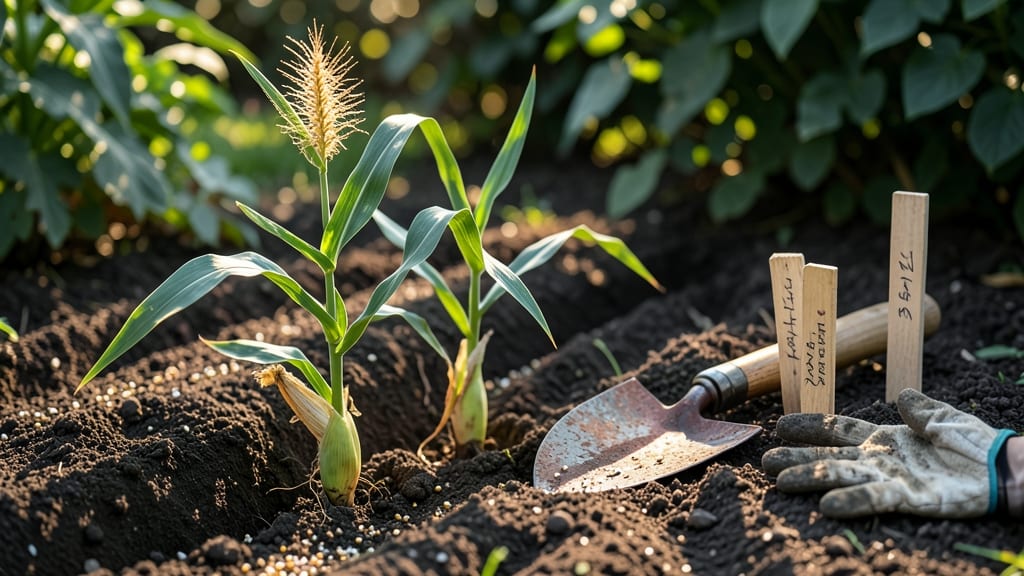
Timing your 🌽 corn planting in Zone 6b wrong could mean the difference between golden ears and sad, stunted plants—especially when spring temperatures play hide-and-seek.
The key isn’t just waiting for the calendar to say "May"; it’s watching the soil thermometer hit that sweet 60°F mark, which usually lands in mid-April to early May after the last frost.
Why does this matter? Corn seeds need warmth to germinate, and planting too early in cool soil can leave them sitting like forgotten promises.
I’ve seen firsthand how a 5-day delay waiting for the right temps can mean the difference between a thriving crop and a garden full of blackened seeds.
In this guide, I’ll walk you through exactly when to plant—down to the week—and how to adjust for Zone 6b’s unpredictable springs. You’ll learn the soil temperature secrets that even experienced gardeners sometimes miss, plus backup planting windows if Mother Nature throws a curveball.
Whether you’re a first-timer or a seasoned grower, these insights will help you time your planting like a pro. Let’s get those kernels sprouting strong!
Optimal soil temperature ranges for planting corn in Zone 6B
Corn thrives when planted in warmer soil, but timing is everything in Zone 6B. The ideal soil temperature for planting corn seeds is between 50-60°F, but germination won’t happen until it hits 60°F consistently.
If you plant too early, your seeds may rot or fail to sprout—even if air temperatures feel mild. I’ve learned this the hard way after watching seeds turn black in cold, wet soil.
Corn’s root development and early growth slow dramatically below 55°F. Once sprouted, corn needs 60-86°F soil temps to grow vigorously. In Zone 6B, where last frost dates can vary 1-2 weeks between regions, soil warms at different rates.
Using a soil thermometer (just $10 at garden centers) is your best tool to avoid guesswork.
Here’s the critical rule: Wait until soil temps stay above 50°F for 5+ days before planting. In Zone 6B, this typically aligns with mid-to-late April, but I’ve seen it as late as early May in colder microclimates.
Pro tip: Black plastic mulch can warm soil by 5-10°F, giving you an earlier planting window if needed.
If you’re planting late varieties (like 100-120 day corn), you might push planting to early June—but only if your first frost isn’t creeping up by October 15. Late plantings risk shorter stature and smaller ears, so balance your timing with your harvest goals.
| Growth Stage | Ideal Soil Temp (°F) | Zone 6B Timeline | Action Item |
|---|---|---|---|
| Germination | 50-60°F | Mid-April to late April | Test soil with thermometer; wait for consistency |
| Seedling Growth | 60-70°F | Late April to early May | Keep soil moist; thin seedlings to 4-6" |
| Vegetative Growth | 60-86°F | May to June | Fertilize with 10-10-10; water deeply |
| Tasseling/Ear Formation | 70-86°F | June to July | Monitor for pests; ensure consistent moisture |
🌱 Pro Tip: Soil temps lag behind air temps—always check before planting!
One common mistake I see is relying on air temperature instead of soil temperature. A 70°F spring day might feel warm, but if your soil is still 45°F, your corn seeds will rot in the ground.
To speed up warming, till in compost or aged manure 1-2 weeks before planting. This adds organic matter that heats up faster than bare soil.
If you’re in a cooler microclimate within Zone 6B (like near a lake or hilltop), plant 1-2 weeks later than your neighbors. Conversely, urban heat islands can warm soil earlier—so adjust accordingly.
I once planted 3 weeks early in a sunny city lot and got a full harvest, while my rural friends struggled with cold soil.
For succession planting, aim for 2-3 week intervals between batches. This stretches your harvest from late July to early October in Zone 6B. Just ensure each new batch gets planted when soil temps are consistently above 60°F.
If you’re unsure, opt for bicolor or sweet corn varieties, which are more forgiving of temperature fluctuations.
Finally, avoid planting corn if a hard frost is forecast within 10 days. Young corn can survive light frosts (down to 28°F), but newly sprouted seedlings are vulnerable. I’ve lost entire rows when a late May frost hit—always check your local frost date averages as a backup.
Optimal soil temperature ranges for planting corn in Zone 6B
Corn seeds are fussy about warmth—they won’t germinate until the soil hits 50°F, but they thrive best when it’s between 60°F and 86°F. In Zone 6B, this usually means waiting until mid-April to early May, after the last frost.
I’ve learned the hard way that planting too early in cold soil leads to blackened, rotting seeds that never sprout.
Use a soil thermometer to check temps at 4-inch depth—this is where seeds will be. If your soil is still below 55°F, hold off planting. Corn roots are shallow, so they rely on consistent warmth to establish quickly.
In my experience, a 5-day delay waiting for the right temps saves hours of frustration later.
Here’s the golden rule: Aim for 60°F+ soil for germination, then maintain 70°F+ for steady growth. In Zone 6B, this often aligns with late April to early May, but it can shift 1-2 weeks based on your specific microclimate.
For example, areas near large bodies of water may warm up faster than inland spots.
| Stage | Ideal Soil Temp (°F) | Zone 6B Timeline | Action |
|---|---|---|---|
| Germination | 50–60°F | Mid-April (after last frost) | Test soil with thermometer |
| Active Growth | 60–86°F | Late April–early May | Plant seeds 1–1.5" deep |
| Tasseling/Ear Formation | 70–86°F | May–June | Water deeply 2x/week |
| Harvest | N/A | Late July–early October | Check silks/kernels daily |
If your soil warms up faster than average (like in urban areas with heat islands), you might plant as early as April 1. Conversely, high-elevation spots or areas with late frosts may need to wait until May 1.
I always err on the side of caution—better to wait a week than risk losing your entire crop to cold soil.
Pro tip: Black plastic mulch can raise soil temps by 5–10°F, giving you an earlier planting window. Lay it down 1–2 weeks before planting to jumpstart germination. Just be sure to remove it once plants emerge to prevent overheating.
Remember, corn is a warm-season crop, so don’t rush it. Patience here means plump, sweet ears later—not sad, stunted plants. Once your soil hits that 60°F mark, grab your seeds and get planting!