
Plants
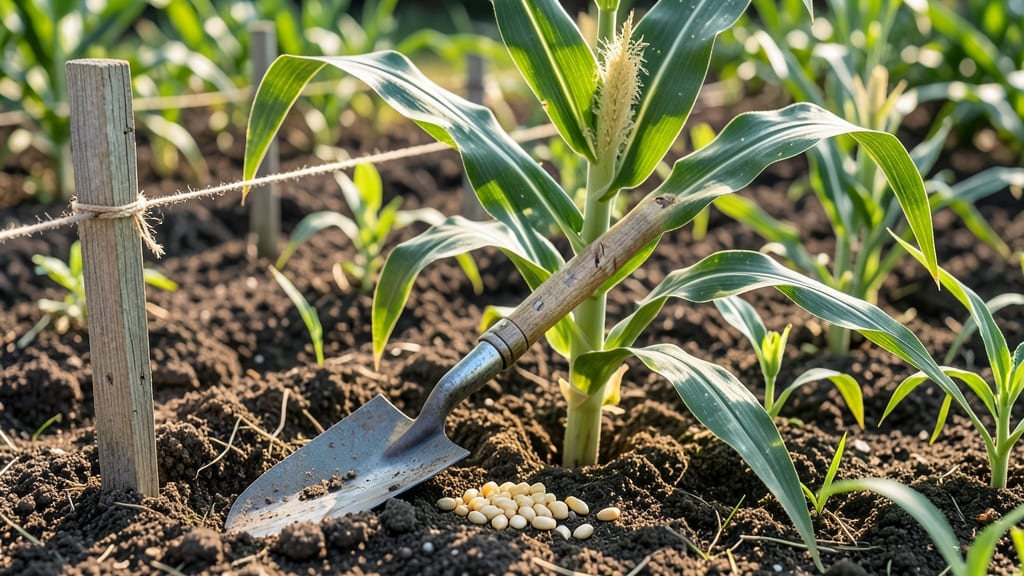
Timing your 🌽 corn planting in Pennsylvania wrong could mean the difference between a lush harvest and a disappointing garden. With USDA Zone 6a weather patterns that swing from chilly springs to sudden heatwaves, knowing exactly when to plant is the key to fast germination and avoiding bolting.
Most gardeners in the Keystone State wait until mid-April to early June, but soil temperature—not just calendar dates—determines success. Planting too early when the ground is still cold can stall growth, while waiting too long risks a shorter growing season.
The secret? Waiting until the soil hits 60°F for optimal results.
In this guide, I’ll break down the exact soil temperature triggers you need to watch, plus how to adjust for Pennsylvania’s unpredictable climate. Whether you’re growing sweet corn for summer meals or field corn for livestock, these tips will help you time your planting perfectly for a bountiful harvest.
Ready to transform your garden? Let’s dive into the science behind fast germination and how to avoid common mistakes that waste your hard work.
Optimal soil temperature for planting corn in Pennsylvania (with exact timing rules)
Corn thrives when planted in warm soil, but Pennsylvania’s cool springs make timing critical. The minimum soil temperature for germination is 50°F, but seeds won’t sprout reliably until the soil hits 60°F or warmer.
This threshold ensures fast germination and strong root development, which are essential for avoiding bolting (premature flowering).
In Pennsylvania’s USDA Zone 6a, soil temperatures typically reach 60°F between mid-April and early May, depending on your region. Southern PA (like Philadelphia) warms up 1-2 weeks earlier than northern areas (like Pittsburgh or Erie).
Always check your local frost dates—the last frost usually occurs around April 15, but soil warmth lags behind air temperature.
To test soil temperature, use a soil thermometer inserted 2 inches deep in the morning. Plant when readings consistently hit 60°F for 3-5 days. If temperatures fluctuate, wait for stability—cold snaps can stall germination.
For sweet corn, aim for planting when soil is 65°F+ to maximize sugar content.
Here’s a regional breakdown of Pennsylvania’s planting windows based on soil temperature trends:
🌽 Pennsylvania Corn Planting Timeline by Region
| Region | Soil Temp Trigger | Planting Window | Notes |
|---|---|---|---|
| Southern PA (Philadelphia, Reading) | 60°F (early April) | Mid-April to late April | Warmer microclimates allow earlier starts |
| Central PA (Harrisburg, Lancaster) | 60°F (late April) | Late April to early May | Moderate climate; ideal for mid-season varieties |
| Northern PA (Pittsburgh, Erie) | 60°F (early May) | Early May to mid-May | Cooler soils delay planting; use cold-hardy varieties |
| Mountainous Areas (Scranton, State College) | 65°F (late May) | Late May to early June | High elevations need later starts; shorter growing season |
For field corn or popcorn, which have longer growing seasons, you can plant as late as early June in most of PA. However, these varieties require at least 100 days to maturity, so check your first frost date (usually October 15) to ensure a full harvest.
In northern PA, consider short-season varieties like ‘Early Sunglow’ (70 days) to avoid frost damage.
Pro tip: If your soil is too cold but you’re eager to plant, use black plastic mulch to warm the soil by 5-10°F. Lay it down 1-2 weeks before planting to accelerate soil temperature rise. This trick is especially useful in cooler microclimates or early springs.
Always pair soil temperature checks with weather forecasts. A 5-day outlook predicting consistent warmth (above 55°F) is a green light for planting. If frost is forecasted within 2 weeks of emergence, delay planting or use row covers to protect seedlings.
Remember: Corn is sensitive to cold soil, and planting too early can lead to slow germination, weak seedlings, or even rot. When in doubt, wait for that 60°F soil temp—your ears of corn will thank you! 🌱
How to avoid bolting and other common mistakes when planting corn too early or late
Planting corn at the wrong time in Pennsylvania often leads to bolting, where plants prematurely produce tassels instead of ears. This happens when cold soil slows growth, forcing the plant to mature too quickly.
The result? Smaller yields and bitter kernels. To avoid this, I always check for consistent soil temps above 60°F before planting.
Another common mistake is planting too late, which shortens the growing season. With Pennsylvania’s average 165 frost-free days, late plantings may not mature before the first frost. For example, sweet corn varieties like ‘Silver Queen’ need at least 75 days to harvest, so planting after mid-June risks failure.
🌱 Pro Tip: Use a soil thermometer to monitor temps. If readings dip below 50°F for more than a week, delay planting. Even a few cold nights can stall germination, wasting your effort and seeds.
⚠️ Warning: Signs Your Corn Is Bolting
- Tassels appear before ears form (usually 30+ days early)
- Plants grow tall and leggy with few leaves
- Ears develop but remain small and underdeveloped
Bolting is often irreversible, so act fast if you spot these signs. Try row covers or cold frames to protect early plantings.
Regional differences in Pennsylvania also play a role. In southern PA (like Philadelphia), you can plant as early as late April, while northern areas (like Erie) may need to wait until early May. Always adjust for your local last frost date—check the Penn State Extension for your county’s averages.
If you’re unsure, opt for early-maturing varieties like ‘Ambrosia’ (65 days) or ‘Peaches and Cream’ (70 days). These tolerate cooler soils better and still produce sweet ears. For late starts, choose disease-resistant hybrids like ‘Golden Bantam’ to combat fungal risks from prolonged moisture.
Finally, avoid overcrowding seeds. Planting too densely stresses roots, making plants more susceptible to bolting. Stick to 1 inch deep, 4-6 inches apart, with 36 inches between rows. This spacing ensures airflow and reduces disease pressure, keeping your corn healthy and productive.
💧 Key Takeaway: Monitor soil temps, adjust for your region, and choose the right variety. With these steps, you’ll dodge bolting and enjoy a full harvest—no guesswork required!