
Plants
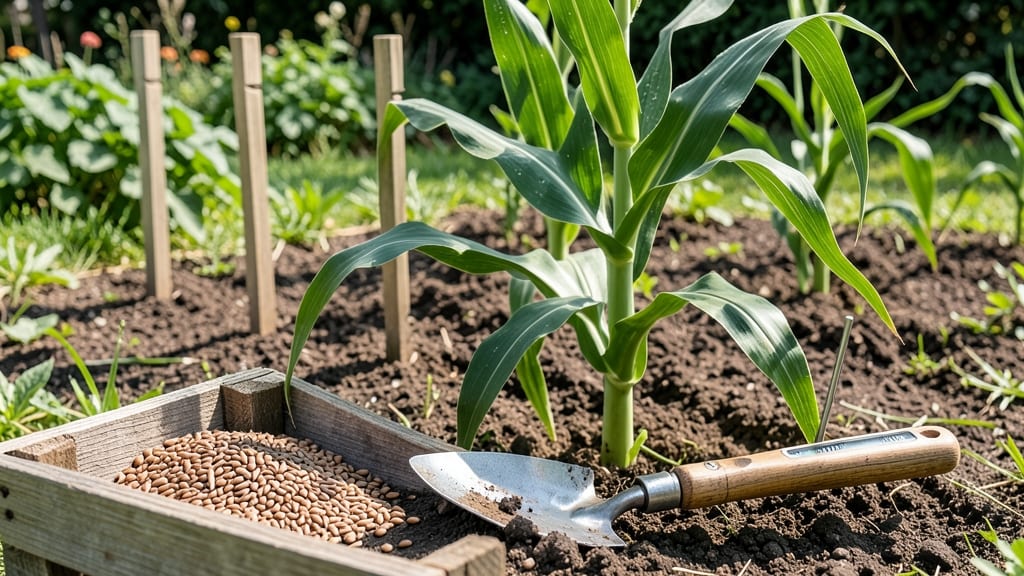
Timing your 🌽 corn planting in Vermont isn’t just about following a calendar—it’s about outsmarting the state’s famously fickle spring weather. One wrong move, and you could end up with stunted plants or a harvest that never materializes, leaving you scratching your head (and maybe your pantry shelves) come summer.
Here’s the truth: Vermont’s 5b-6a climate gives you just a 165-day frost-free window, and corn needs every single day of it to reach its full potential. Plant too early, and a late frost will nip your seedlings in the bud.
Wait too long, and your stalks might mature just as the first chill of October rolls in—leaving you with underdeveloped ears.
But don’t stress—this guide breaks down the exact window for planting 🌽 corn in Vermont, from mid-May to early June, plus how to adjust for your specific microclimate.
Whether you’re in Burlington’s warmer pockets or the cooler highlands near Stowe, I’ll show you how to maximize your chances for sweet, plump ears that’ll make your neighbors jealous.
Ready to turn your garden into a cornucopia? Let’s dive into the frost-free timeline and planting strategies that’ll set you up for success—no guesswork required.
Vermont’s frost-free planting zones & ideal corn planting dates
Vermont’s USDA Hardiness Zones 5b-6a mean corn growers must balance short summers with late spring frosts. The average last frost date ranges from mid-May in southern Vermont (like Bennington) to late May in northern regions (like Stowe).
Planting too early risks frost damage, while waiting too long shortens the growing season.
Corn thrives with 60-86°F soil temperatures and 90+ frost-free days to maturity. Vermont typically offers 165 frost-free days, but high-elevation areas (like the Green Mountains) may see 10-14 fewer days. This means earlier-maturing varieties (60-75 days) are ideal for northern Vermont.
Here’s the 3-phase planting window for Vermont corn growers:
| Phase | Timeframe | Varieties | Notes |
|---|---|---|---|
| Early Season | Mid-May | 60-75 day (e.g., 'Early Sunglow') | Best for northern VT; use black plastic mulch to warm soil. |
| Mid-Season | Late May to early June | 80-90 day (e.g., 'Golden Bantam') | Standard choice for most of VT; plant after soil reaches 60°F. |
| Late Season | Early June | 90-100 day (e.g., 'Silver Queen') | Risky in northern VT; reserve for southern regions with longer summers. |
For southern Vermont (Zones 6a), you can push planting to early June for late-season varieties, but northern Vermont (Zones 5b) should stick to mid-May or earlier. Soil temperature is more critical than air temperature—use a soil thermometer to confirm 60°F+ before planting.
If you’re in a high-elevation area (like Stowe or Jay Peak), consider starter plants or row covers to extend the season. These areas often have 2-3 weeks shorter growing seasons, so early-maturing hybrids are a must.
Vermont’s short growing season demands precision planting. Aim to harvest by early October to avoid first frost damage. Succession planting every 2 weeks in May-June ensures a continuous harvest through September.
Pro tip: Black plastic mulch can warm soil by 5-10°F, allowing earlier planting in cooler regions. Just remove it 2 weeks before harvest to avoid contamination.
For organic growers, incorporate compost or aged manure 2-3 weeks before planting to boost soil warmth naturally. This helps speed germination in Vermont’s cool springs.
Remember: Corn is wind-pollinated, so plant blocks (not rows) of at least 4 rows × 4 plants to ensure good pollination. In Vermont’s variable winds, this is especially important for consistent ear development.
How to adjust planting dates for Vermont’s microclimates
Vermont’s diverse microclimates mean your corn planting dates could vary by weeks, depending on whether you’re in Burlington’s warmer valleys or the cooler highlands near Stowe. Elevation, proximity to lakes, and even urban heat islands can shift your last frost date by 10 days or more.
To avoid planting too early and risking frost damage—or too late and missing the growing season—I’ll show you how to fine-tune your timing based on your specific location.
First, check your soil temperature. Corn seeds need soil that’s consistently 50°F or warmer to germinate, but roots thrive at 60°F+. Use a soil thermometer (or press your finger into the soil—if it feels warm to your touch, it’s ready).
In Vermont, this usually aligns with mid-to-late May, but high-elevation areas might need to wait until early June. Pro tip: Black plastic mulch can warm soil by 5-10°F, giving you an earlier start in cooler spots.
🌽
| Region | Avg. Last Frost | Ideal Planting Window | Adjustments for Late Springs | Cold-Hardy Variety Recommendation |
|---|---|---|---|---|
| Burlington/Chittenden County | May 10-15 | Mid-May to early June | Use black plastic mulch to warm soil early | Early Sunglow (72-day variety) |
| Montpelier/Highlands | May 20-25 | Late May to early June | Wait for 60°F soil; consider row covers | Bodacious (85-day, heat-tolerant) |
| Stowe/Northeast Kingdom | May 25-June 1 | Early June | Plant biodiverse mixes for pollination backup | Silver Queen (90-day, cold-resistant) |
| Rutland/Western VT | May 15-20 | Late May | Monitor lake breezes—they delay warming | Peaches and Cream (80-day, sweet variety) |
If your spring runs late, don’t panic—succession planting is your secret weapon. In Vermont’s shorter growing season, plant a second batch in early June using fast-maturing varieties (like Ambrosia, which takes just 70 days).
Just be sure to choose short-season hybrids that can mature before the mid-October frost. For extra insurance, opt for bicolor or tri-color corn, which often ripen slightly earlier than white varieties.
Another Vermont-specific challenge? Deer and rabbit pressure in rural areas. If you’re planting in open fields, use deer-resistant varieties like Golden Bantam (a smaller, bushier type) or protect seedlings with chicken wire cages until they’re 12 inches tall.
And if you’re near water, watch for raccoons and squirrels—they love ripe corn too! A straw mulch ring around plants can deter these critters while keeping moisture in.
Finally, embrace Vermont’s shorter summer by choosing compact or bush varieties if space is limited. These grow just as tall but produce ears closer to the base, making them easier to harvest before frost.
With these adjustments, you’ll turn even the coolest corners of Vermont into a corn-growing powerhouse—no matter where you live in the Green Mountain State.