
Plants
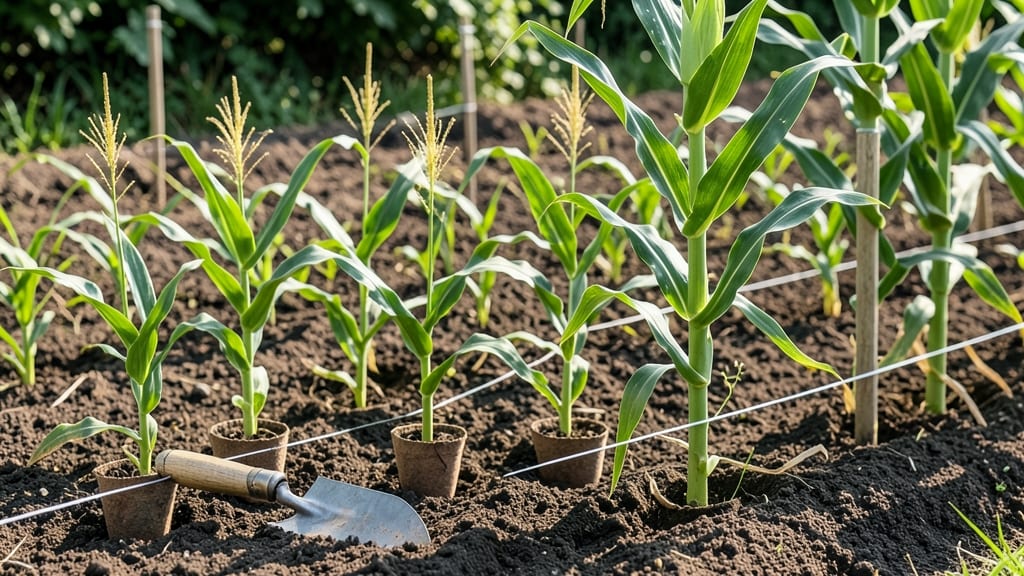
Planting corn in Canada at the wrong time can mean the difference between a bountiful harvest and a total loss—especially when frost sneaks in and wipes out tender 🌽 seedlings before they even get started.
If you've ever wondered why your corn plants struggle to thrive despite your best efforts, the answer likely lies in timing. Canada's diverse climate zones—from 3a in the Prairies to 9b in Southern Ontario—mean the perfect planting window shifts dramatically depending on where you live.
I’ll break down exactly when to plant corn in your region, whether you’re starting seeds indoors for an early jumpstart or direct-sowing after the last frost. You’ll also discover how soil temperature and microclimates play a role in maximizing your yield.
By the end, you’ll know the exact dates to plant corn in your area—and how to adjust for short seasons or unpredictable weather. Let’s get those kernels growing!
Canada’s frost-free planting zones for corn: when to start seeds indoors vs outdoors
Corn thrives in warmth but wilts under frost—so knowing your USDA hardiness zone and last frost date is critical. In Canada, planting windows vary from late April in Zone 9 (Southern Ontario) to mid-June in Zone 3 (Prairies).
The key is balancing soil temperature (minimum 10°C/50°F) with frost risk.
Most Canadian gardeners direct-sow corn after the last frost, but early varieties can be started indoors 4-6 weeks beforehand for a head start. For example, in Zone 4 (Central Canada), indoor starts begin in early April, while Zone 5 (Maritimes) can start slightly later in mid-April.
Here’s how to align your planting with Canada’s diverse climate zones—plus when to transition seedlings outdoors for maximum success.
🌽 Corn Planting Windows by Canadian Region
| Region | USDA Zone | Last Frost Date | Indoor Start (Weeks Before Outdoor Move) | Direct Sow Date | Harvest Window |
|---|---|---|---|---|---|
| Atlantic (NS/NB) | 5a-6b | Mid-May | 4-5 weeks (early April) | Late May | Late August - Early October |
| Southern Ontario/Quebec | 6a-7b | Early May | 3-4 weeks (late March) | Mid-May | July - September |
| Prairies (AB/SK) | 3a-4b | Mid-June | 6 weeks (early May) | Late May - Early June | Late August - Early October |
| British Columbia (Lower Mainland) | 7b-8a | Early May | 3 weeks (mid-April) | Late April - Early May | July - September |
| Northern Ontario/Quebec | 2b-4a | Late May - Early June | 7-8 weeks (early April) | Early June | Late August - September |
📅 Note: Adjust dates 1-2 weeks earlier for microclimates (e.g., urban heat islands) or later for high-altitude areas.
In Zone 6 (Ontario/Quebec), where I garden, I typically start ‘Peaches and Cream’ seeds indoors in late March. By early May, seedlings are hardened off and ready for the garden—just as the soil reaches 15°C/60°F. This timing ensures ears mature before the first frost in mid-October.
For short-season varieties (e.g., ‘Golden Bantam’), prioritize early planting. In Zone 3 (Prairies), gardeners often use black plastic mulch to warm soil faster, allowing direct sowing by late May. Without this, frost risks are too high.
Always verify your local last frost date—even within a zone, urban areas can be 1-2 weeks warmer than rural spots. Use resources like the Canadian Hardiness Zone Map or local weather stations for precision.
Pro tip: Plant early, mid, and late batches to stagger harvests. This spreads out risk if weather turns cool unexpectedly—especially in Zone 4 or colder, where a late frost can devastate a single planting.
How to adjust corn planting dates for your local microclimate and variety type
Your local microclimate can shift corn planting dates by weeks, even within the same USDA zone. For example, a south-facing slope warms faster than a north-facing valley, allowing earlier planting. Always check your last frost date and add 2-3 weeks to ensure soil stays warm enough.
Corn seeds need soil temperatures of at least 15°C (60°F) to germinate. Use a soil thermometer to confirm—cold soil delays sprouting and invites rot. In cooler regions like Zone 3-4, plant short-season varieties (60-75 days to maturity) like 'Early Sunglow' or 'Golden Bantam'.
- 🌡️ Soil temp check: Wait until soil hits 15°C (60°F) at 5cm depth.
- 🌿 Slope matters: South-facing areas warm 1-2 weeks earlier than shaded spots.
- 🌊 Urban heat islands: Cities stay 3-5°C warmer than rural areas—plant 1 week earlier.
- 🌬️ Wind exposure: Sheltered spots dry slower—ideal for drought-prone varieties.
- 🏔️ High elevations: Plant 2-3 weeks later than lowland areas in the same zone.
For extended growing seasons, use black plastic mulch or row covers to warm soil faster and delay frost damage. These methods add 10-14 days to your effective growing season.
In Zone 5-6, try semi-dwarf varieties like 'Silver Queen' (75 days) or 'Peaches and Cream' (85 days) for reliable harvests.
If your season is too short for standard corn, opt for early-maturing sweet corn (60-75 days). Plant these 2 weeks earlier than your usual date and use raised beds to improve drainage and warmth.
For example, in Zone 4, aim for late May planting with a harvest by early September.
Always match your corn variety to your frost-free days. In Zone 3, stick to 60-day varieties like 'Bodacious' (dwarf) or 'Ambrosia' (standard). In Zone 8-9, you can afford 100+ day varieties like 'Peaches and Cream' or 'Country Gentleman' for larger ears.
Pro tip: Keep a planting journal to track your local microclimate’s quirks. Note when soil warms, how long frost lingers, and which varieties thrive. Over time, you’ll refine your perfect planting window for maximum yield—even in Canada’s unpredictable climate! 🌽