
Plants
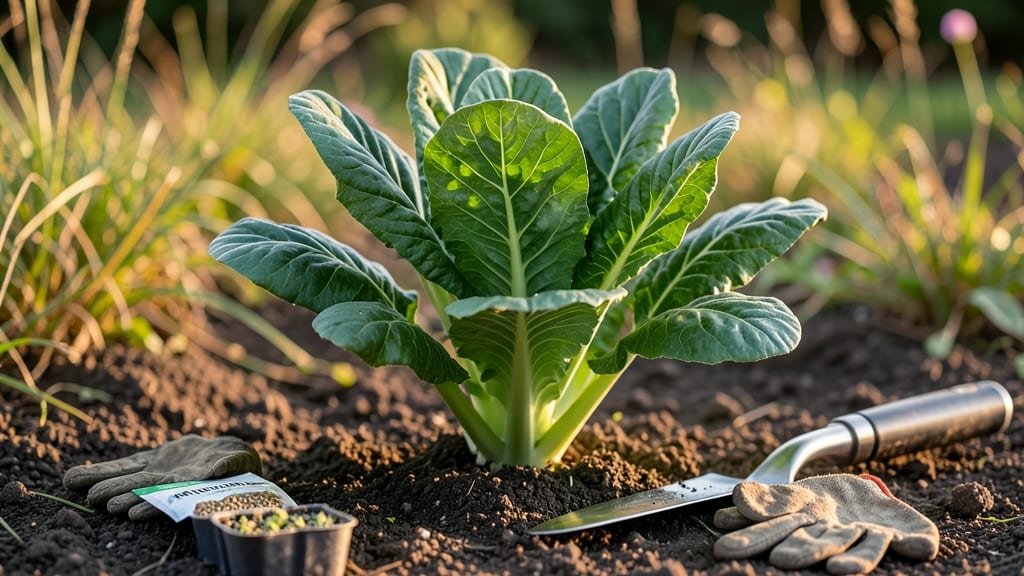
If you’ve ever dreamed of when to plant collards in Mississippi for sweet, frost-kissed 🥬 harvests, timing is everything—and getting it wrong means missing out on those rich, flavorful leaves.
Mississippi’s unique climate, with its scorching summers and mild winters, demands a smarter approach than just following a generic planting calendar.
Most gardeners know spring and fall are the prime windows, but in USDA Zone 8a, those windows shift to late February through March for spring and August through September for fall. The key?
Planting 6-8 weeks before your first frost in fall or 4-6 weeks before last frost in spring to give your collards enough time to mature before the heat or cold sets in.
What sets Mississippi apart is the need for heat-resistant varieties that won’t bolt in summer’s sweltering afternoons. Varieties like 'Champion' or 'Georgia Southern' thrive here, but even they need shade and consistent moisture to survive. I’ll show you how to stretch your growing season with simple tricks—no green thumb required.
Ready to turn your backyard into a collard goldmine? Let’s break down the exact planting schedule, soil prep secrets, and spacing tips tailored for Mississippi’s climate so you can enjoy fresh, homegrown greens from April through November—and maybe even sneak in a winter harvest if you’re lucky.
Mississippi collard planting calendar: frost-free windows and heat-resistant varieties
Mississippi’s USDA zones 7b-8a create unique challenges for growing collard greens—too early, and heat stress ruins seedlings; too late, and frost arrives before harvest. The key is planting during two optimal windows: late winter for spring harvests and early summer for fall production.
For spring planting, aim for late February to early March—4-6 weeks before Mississippi’s average last frost date (March 15).
This gives plants time to establish roots before 90°F+ temperatures arrive in May. Fall planting should occur August to early September, allowing a 60-75 day growth cycle before first frost (November 15).
Here’s your Mississippi-specific collard planting timeline, including heat-resistant varieties that thrive in Southern conditions:
| Planting Window | Best Varieties | Key Considerations |
|---|---|---|
| Late February - Early March | Champion, Georgia Southern, Top Bunch | Soil temps 50°F+; protect from late frosts |
| August - Early September | Vates, Blue Max, Georgia Grey | Heat-tolerant; mulch to retain moisture |
| Early September (Extended) | Champion, Top Bunch | Use shade cloth (30%) for seedlings |
Mississippi’s heat and humidity demand heat-resistant varieties. 'Champion' and 'Georgia Southern' are top picks for spring, while 'Vates' and 'Blue Max' handle summer’s intensity better. All mature in 60-75 days, but fall crops often produce sweeter leaves after light frosts.
For soil preparation, test your pH (6.0-7.0 ideal) and amend with compost before planting. Collards prefer well-draining soil with 1-2 inches of organic matter mixed in. In Mississippi’s clay-heavy soils, consider raised beds for better drainage and root development.
Spacing is critical: plant 12-18 inches apart in rows 24 inches apart. This prevents disease spread and allows leaves to reach full size without overcrowding. In container gardening, use 5-gallon pots with dwarf varieties like 'Top Bunch' for balconies or patios.
Mississippi’s microclimates vary by region—coastal areas (like Biloxi) stay warmer longer, while inland (like Tupelo) may experience earlier frosts. Adjust planting dates 1-2 weeks later in inland zones to avoid heat stress or frost damage.
Pro tip: Direct sow seeds ¼ inch deep for fastest results, or start indoors 4-6 weeks before your target planting date. Seedlings thrive in 60-70°F soil, so use row covers if nights dip below 50°F in early spring.
Remember, collards are cool-season crops, but Mississippi’s heat means fall planting often yields the sweetest, most tender leaves. Plan for a second harvest after light frost (28-32°F) to enhance flavor—just don’t let temps drop below 20°F for extended periods.
🌱
Mississippi collard planting calendar: frost-free windows and heat-resistant varieties
Mississippi’s USDA Zone 8a climate gives you two prime windows for planting collards: late February through March for spring and August through September for fall. The goal? Beat the heat or frost while giving your plants enough time to mature—45-75 days depending on the variety.
In my garden, I’ve found that planting too early in spring risks bolting from heat, while late fall plantings often get nipped by early frosts.
For spring plantings, aim to sow seeds 4-6 weeks before your last frost date (around March 15 in most of Mississippi). Fall plantings should go in 6-8 weeks before your first frost (typically November 15).
This timing ensures your collards reach maturity before summer’s swelter or winter’s chill sets in. I’ve had the most success with heat-resistant varieties like 'Champion' or 'Georgia Southern,' which handle Mississippi’s summers better than standard types.
Here’s the breakdown of your Mississippi collard planting calendar, including frost-free windows and variety recommendations:
| Planting Window | Recommended Varieties | Days to Maturity | Key Consideration |
|---|---|---|---|
| Late February - March | Champion, Top Bunch, Georgia Southern | 50-60 days | Avoid bolting with shade cloth if temps exceed 85°F |
| August - September | Vates, Blue Max, Georgia Grey | 45-55 days | Protect from early frosts with row covers |
Mississippi’s heat tolerance is a game-changer for collard success. While most varieties thrive in cooler weather, 'Champion' collards can handle 90°F+ temperatures better than others, making them my top pick for summer plantings.
For fall, I recommend 'Vates' or 'Blue Max', which mature quickly and can withstand light frosts, giving you harvests through November.
One trick I’ve learned? Direct sowing in late summer (August) often outperforms transplants because seedlings establish roots before the heat peaks. If you’re using transplants, harden them off for 7-10 days before setting them out to avoid transplant shock.
In my experience, soil temperature is just as critical as air temperature—collard seeds won’t germinate well if the soil stays below 50°F.
For soil prep, amend your beds with compost or aged manure to improve drainage, especially in Mississippi’s heavy clay soils. Collards prefer slightly acidic to neutral soil (pH 6.0-7.0), so test your soil before planting.
I add a 2-inch layer of mulch after planting to retain moisture and regulate soil temperature—critical during Mississippi’s humid summers.
Pro tip: Mark your planting dates on a garden calendar and set reminders for harvesting (outer leaves first!) to maximize your yield. With the right timing and varieties, you’ll enjoy fresh collards from April through November—and maybe even a bonus winter harvest if you’re lucky with mild winters. 🥬