
Plants
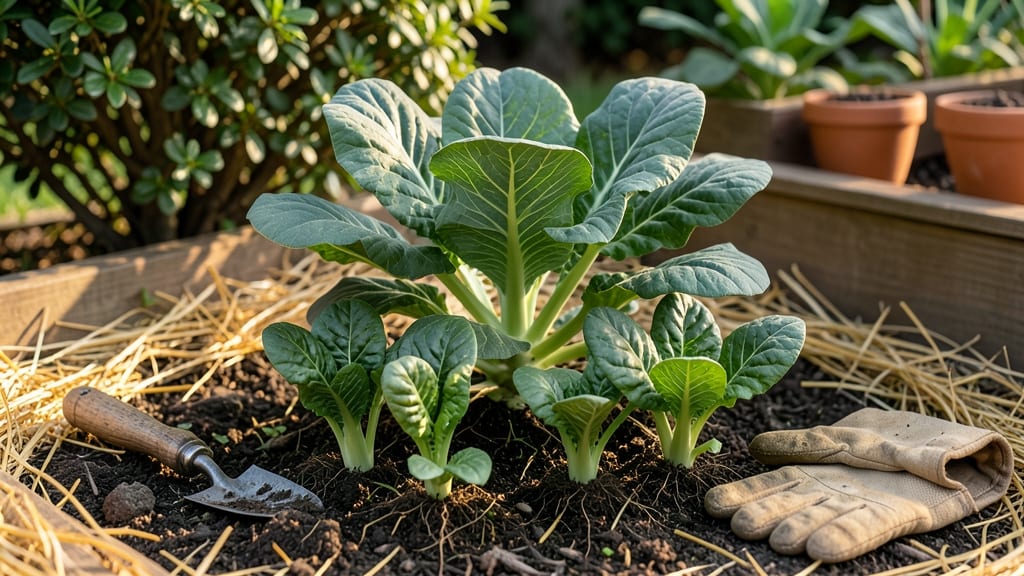
If you’ve ever wondered when do you plant collards in South Carolina to get the best harvest, timing is the key.
The 🥬 collards in your 7b-8a zone thrive in fall but struggle in spring, and the perfect planting window isn’t just about seasons—it’s about avoiding early frosts and maximizing frost-sweetened flavor.
Most gardeners in South Carolina get it wrong by planting too late in spring or too early in fall, missing out on 60-70 days of ideal growth.
The secret? Start seeds 4-6 weeks before your last frost (late February to early April) or sow directly in late summer (August-September) for a fall harvest.
Why does this matter? Collards are frost-resistant, but they need time to establish roots before winter sets in. In USDA zone 7b-8a, that means planting early enough to harvest before the first frost hits around November 15.
Let’s break down the exact schedule—plus soil prep and frost protection tips—to ensure your collards grow bigger, sweeter, and more abundant than ever before.
Best planting times for collards in South Carolina: frost dates & seasonal breakdown
South Carolina’s USDA zones 7b-8a create a unique opportunity to grow collards year-round. Unlike northern climates, you can plant two main crops: a fall harvest for winter greens and a spring harvest for summer heat.
The key? Timing your plantings around frost dates and local microclimates—Charleston’s coastal warmth differs from Greenville’s inland chill.
For fall collards, aim to plant 4-6 weeks before your first frost (typically mid-August to early September). This gives plants time to mature before winter. In spring, plant 4-6 weeks before your last frost (usually late February to early April) for a summer harvest.
These windows ensure you avoid bolting (premature flowering) and maximize leaf production.
Here’s how to adapt your schedule based on South Carolina’s regions:
| Planting Window | Region-Specific Timing | Key Notes |
|---|---|---|
| Fall Planting | Charleston: Late August Greenville: Early September |
Plants thrive in cool weather and sweeten with light frost. |
| Spring Planting | Charleston: Late February Greenville: Early April |
Avoid summer heat by harvesting before June. |
| Succession Planting | Every 2-3 weeks from August to October | Ensures continuous harvests through winter. |
If you’re new to growing collards in South Carolina, start with transplants instead of seeds for faster results. Nurseries often carry frost-hardy varieties like Vates or Georgia Southern, which handle SC’s mild winters beautifully.
For direct sowing, scatter seeds ¼ inch deep and thin seedlings to 12-18 inches apart once they’re 3-4 inches tall.
Pro tip: Use mulch (straw or leaves) around plants to insulate roots during winter freezes (common in USDA zone 7b). This trick extends your harvest by 4-6 weeks into early spring.
In coastal areas, you might even skip mulch entirely—collards tolerate humidity and salt spray better than many greens.
For container gardening, choose 5-gallon pots or larger to accommodate collards’ 18-inch height. Place containers in full sun and water daily during summer to prevent bolting. Containers also let you move plants to sheltered spots during hard freezes (below 20°F).
Remember: Collards love cool weather but hate summer heat. In Greenville or Upstate SC, where summers are hotter, focus on fall plantings and harvest before June. In Charleston or Hilton Head, you can push spring plantings slightly later due to cooler coastal breezes.
To track your planting schedule, mark your calendar for these key dates:
- August 15: First fall planting (Charleston)
- September 1: First fall planting (Greenville)
- February 28: Last spring planting (Charleston)
- April 15: Last spring planting (Greenville)
With this region-tailored schedule, you’ll enjoy fresh collards from October through April—just in time for southern comfort food season! 🥬
Best planting times for collards in South Carolina: frost dates & seasonal breakdown
South Carolina’s USDA zones 7b-8a create a unique growing window for collards, where you can plant twice a year for continuous harvests. The ideal planting times are late February to early April for spring and August to September for fall.
This schedule aligns with the state’s average last frost (March 15) and first frost (November 15), ensuring your plants mature before winter sets in.
In Charleston (zone 8a), you can push planting slightly later—even into early October—while Greenville (zone 7b) gardeners should start seeds 4-6 weeks earlier to avoid early frosts. The key is to give collards 60-70 days of growth before the first frost, which sweetens their flavor and prevents bolting.
🌱 Planting Schedule for South Carolina:
| Season | Planting Window | Harvest Window | Notes |
|---|---|---|---|
| Spring | Late February - Early April | April - May | Start seeds indoors 4-6 weeks before last frost. |
| Fall | August - September | October - November | Direct sow after soil temps drop below 85°F. |
For year-round collards, I recommend planting every 2-3 weeks from August through October. This staggered approach ensures a steady supply of leaves, even as some plants mature faster than others. Succession planting is especially effective in South Carolina’s mild winters, where collards can continue growing until hard frosts hit.
If you’re using row covers or cold frames, you can extend your harvest into December or even January. These protective measures create a microclimate that shields plants from light frosts, allowing you to enjoy fresh collards well into winter.
Just be sure to remove covers during the day to prevent overheating.
One common mistake is planting collards too late in spring, which leads to small, bitter leaves before the summer heat sets in. Instead, focus on fall planting for the sweetest, most tender harvests.
In South Carolina’s climate, fall-grown collards often outperform spring plants due to cooler temperatures and consistent moisture.
To summarize, the best times to plant collards in South Carolina are:
- Spring: Late February to early April (harvest April-May)
- Fall: August to September (harvest October-November)
With this schedule, you’ll enjoy frost-sweetened collards for nearly half the year—without the risk of bolting or stunted growth.