
Plants
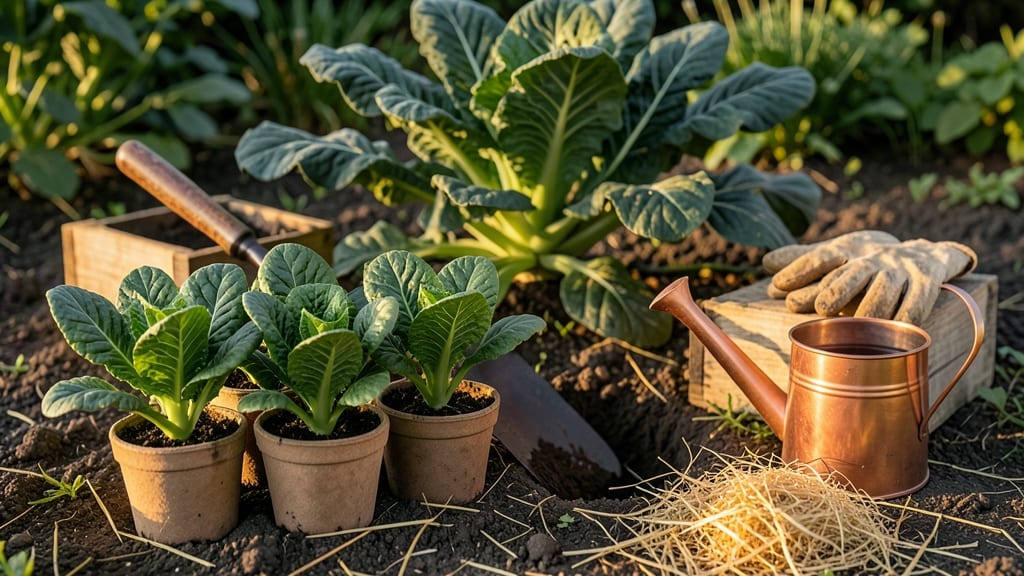
If you’ve ever planted collards 🥬 in Florida only to watch them bolt into bitter, flowery frustration by summer, you’re not alone. The key to avoiding this common mistake lies in timing—and these exact months make all the difference between a thriving harvest and wasted effort.
Florida’s frost-free climate might seem ideal for year-round gardening, but heat is your collard’s worst enemy. The sweet spot for planting falls when temperatures dip just enough to keep your plants happy: think fall through early spring, when cooler air prevents that dreaded bolting.
But here’s the catch—even within Florida’s 9a-11 zones, North Florida’s cooler pockets and South Florida’s relentless sun demand slightly different strategies.
I’ve tested the best planting windows over the years, and what works in Jacksonville might fail in Miami.
Whether you’re a first-time gardener or a seasoned green thumb, knowing when to pop those seeds in the ground (or transplant seedlings) can mean the difference between tender, sweet leaves and a sad, bolted disappointment.
Let’s break down the exact months—and a few pro tips—to keep your collards thriving all season long.
Ready to skip the guesswork? You’ll learn how to time your plantings for maximum yield, how to adjust for Florida’s microclimates, and even how to cheat the system if you must plant in summer. No more wasted seeds—just bold, flavorful collards on your plate.
Optimal Florida collard planting months to prevent bolting
Florida’s year-round growing potential makes collards a fantastic choice, but heat stress and premature bolting can ruin your harvest if planted incorrectly. The sweet spot for collards in Florida is late summer through winter, when temperatures stay mild and days are shorter.
This timing ensures tender, flavorful leaves without the bitter taste of bolting.
Collards thrive best when daytime temperatures hover between 60°F and 75°F. In Florida’s USDA Zones 9a-11, this means avoiding the peak summer heat (June-August) and focusing on fall, winter, and early spring plantings.
Even North Florida’s cooler winters (where temps can drop to 40°F) won’t harm mature collards, but seedlings need protection.
Here’s the exact breakdown of when to plant for maximum success, including temperature thresholds and heat tolerance limits to avoid bolting:
| Planting Window | Ideal Months | Daytime Temp Range | Notes |
|---|---|---|---|
| Fall Planting | August–October | 70°F–80°F (cooler evenings) | Best for year-round harvests; avoid late October in North FL. |
| Winter Planting | November–February | 55°F–70°F | Sweetest flavor; protect seedlings if frost threatens. |
| Early Spring Planting | March–April | 65°F–75°F | Risk of bolting by summer; use shade cloth if temps rise. |
| Avoid Summer Planting | May–July | 85°F+ | High heat triggers bitter bolting within 4–6 weeks. |
For North Florida gardeners (Zones 8a-9a), focus on September–March plantings to avoid rare frost events. In Central and South Florida (Zones 9b-11), you can extend planting into April, but always monitor heat levels—collards bolt when days exceed 80°F for 3+ weeks.
A simple trick: Plant shade-tolerant varieties like ‘Georgia Southern’ or ‘Top Bunch’ if you must grow in summer.
Pro tip: Start seeds 4–6 weeks before your target planting date indoors or under shade cloth to give seedlings a head start. Harden them off for 7–10 days before transplanting to well-draining, compost-rich soil. This extra care pays off with bolting-free harvests even in Florida’s warmest months.
If you’re in a coastal microclimate, you may have 2–4 weeks longer of ideal planting due to moderating ocean breezes. For inland areas, prioritize morning sun and afternoon shade to keep temps in the optimal 60°F–75°F range.
Mulching with straw or wood chips also helps regulate soil temperature and retain moisture.
Remember: Collards are cool-season crops, but Florida’s lack of frost means you can grow them year-round with the right timing. By sticking to these temperature-guided windows, you’ll enjoy tender, sweet collards from fall through spring—no bitter surprises here!
🌱
Optimal Florida collard planting months to prevent bolting
Florida’s frost-free climate makes collards a year-round possibility, but timing matters to avoid bitter bolting. The ideal window spans August through February, when temperatures stay below 85°F—the threshold where heat stress triggers early flowering.
Planting in fall or winter ensures sweet, tender leaves instead of tough, bitter ones.
Collards are cool-season crops, thriving in 60-75°F ranges. Summer planting (June-August) risks bolting, especially in South Florida’s Zone 10-11, where temperatures rarely drop. Even North Florida’s Zone 8-9 sees heat spikes that stress plants if sown too early in spring.
Here’s the exact breakdown of Florida’s best planting months, tailored to avoid bolting and maximize harvests:
| Month | Temperature Range (°F) | Planting Strategy | Harvest Window |
|---|---|---|---|
| August | 80-90°F | Direct sow or transplant; use shade cloth if temps exceed 85°F | October-December |
| September | 75-85°F | Best month; minimal bolting risk | November-February |
| October-November | 70-80°F | Prime window; plant every 2-3 weeks for staggered harvests | December-March |
| December-February | 60-75°F | Cold-hardy; protect from light frosts (North FL only) | February-April |
| March-April | 70-80°F | Risky; use shade cloth or succession plant | May-June (limited) |
For North Florida gardeners (Zones 8-9), aim for September-October starts to avoid January frosts, which can damage young plants. In Central and South Florida, extend planting into early March with shade protection, but expect reduced yields due to heat stress.
Pro tip: Succession planting every 3-4 weeks in fall/winter ensures a continuous harvest. Start with transplants (faster maturity) if your season is short, or direct-sow seeds for cost savings in longer growing windows.
Remember, collards hate heat—any day above 85°F for more than 2 weeks stresses them. Monitor your local heat advisories and adjust with row covers or afternoon shade if needed. 🌱