
Plants
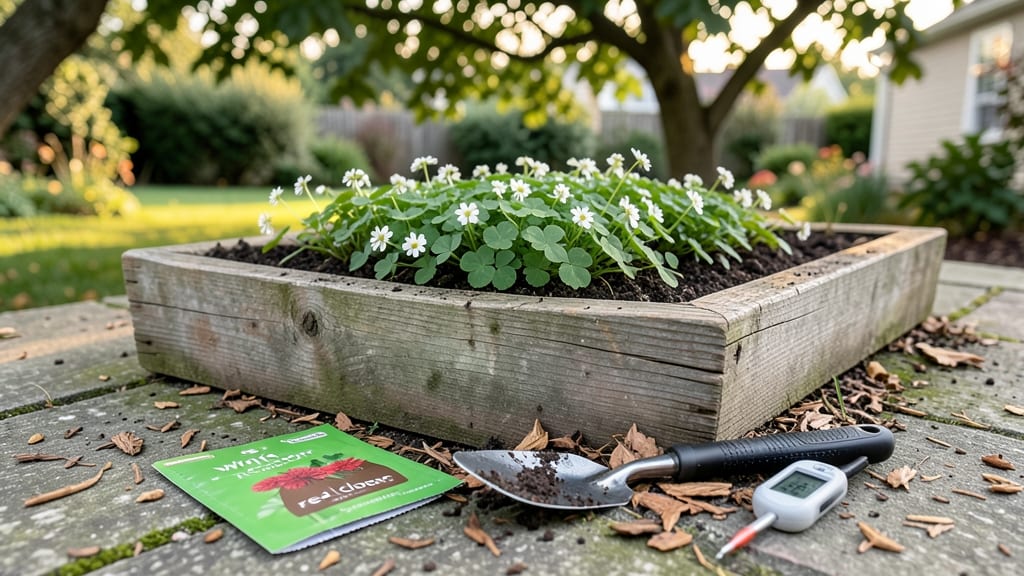
Timing your clover planting in Washington State isn’t just about the calendar—it’s about outsmarting the Pacific Northwest’s unpredictable shifts from rain to frost.
Whether you’re in Spokane’s Zone 6b or Seattle’s milder 8a-9a, getting it right means the difference between a lush, nitrogen-rich ground cover and a patchy, struggling lawn.
Most gardeners in Washington swear by early spring (March-April) or early fall (September-October) as the sweet spot for planting 🌱, but the real secret lies in reading your microclimate. Coastal areas stay wet longer, while inland zones like Yakima can dry out faster—both need tailored approaches.
Let’s break down exactly when to plant for your specific corner of the state.
You’ll discover how to align your planting with frost dates, soil temperatures, and even companion plants that thrive alongside clover. No more guessing games—just proven strategies to ensure your clover takes root strong and stays vibrant year-round.
Ready to transform your yard into a thriving ecosystem? I’ll walk you through the step-by-step timing, regional tweaks, and pro tips that’ll have your clover flourishing in no time.
Optimal planting months for clover in Washington’s 3 key climate zones
Washington State’s three distinct climate zones—coastal/maritime, inland/semi-arid, and high-elevation—each demand a tailored approach to planting clover. Getting the timing right means the difference between a lush, nitrogen-rich ground cover and a struggle to establish.
Let’s break down the best months for each region, including soil temperature thresholds and frost risk factors that matter most.
For Western Washington (coastal/maritime), think mild winters and high humidity. Here, clover thrives when planted in early spring (March-April) or early fall (September-October).
The soil temperature should be consistently above 45°F to encourage germination, and avoid planting when frost dates are still a risk—typically before March 15 in Seattle or April 1 in Portland.
In Eastern Washington (inland/semi-arid), hotter summers and colder winters create a different window. Plant clover in late winter (February-March) or early fall (September) to avoid the intense summer heat and early frosts that can occur as early as October 15 in Spokane.
The soil should warm to at least 50°F for best germination.
High-elevation areas like the Cascade Mountains or Mount Rainier region have their own rules. Here, plant clover in late spring (May-June) or early summer (July) to avoid late spring frosts, which can linger until May 20 or later.
Soil temperatures need to reach 55°F+ for successful establishment, and fall planting is riskier due to early snowfall.
| Climate Zone | Best Planting Months | Soil Temp Threshold (°F) | Last Frost Date | First Frost Date |
|---|---|---|---|---|
| Western WA (Coastal/Maritime) | March-April, September-October | 45°F+ | March 15 (Seattle), April 1 (Portland) | November 1 (Seattle), November 15 (Portland) |
| Eastern WA (Inland/Semi-Arid) | February-March, September | 50°F+ | March 1 (Spokane), April 1 (Walla Walla) | October 15 (Spokane), October 30 (Walla Walla) |
| High Elevation (Cascades) | May-June, July | 55°F+ | May 20 (Leavenworth), June 1 (Mount Rainier) | September 15 (Leavenworth), October 1 (Mount Rainier) |
One critical factor across all zones is soil preparation. Clover prefers well-draining, slightly acidic soil (pH 6.0-7.0). Before planting, mix in compost or aged manure to improve fertility and structure.
In Western WA’s wetter climates, ensure your soil isn’t waterlogged—raise beds if needed. Meanwhile, Eastern WA’s dry soils benefit from adding organic matter to retain moisture.
For spring planting, aim to sow seeds 4-6 weeks before the last frost in your area. This gives clover enough time to germinate and establish roots before summer heat sets in.
In fall, plant 6-8 weeks before the first frost to allow roots to develop before winter dormancy. For example, in Zone 7b (Portland), that means planting by September 15.
If you’re unsure about your local frost dates, check the USDA Plant Hardiness Zone Map or use a local gardening extension service like Washington State University’s resources. They provide hyper-localized frost forecasts that can save your clover from a failed establishment.
For instance, Pullman’s Zone 6b has a last frost date of April 15, while Bellingham’s Zone 8a sees frost as late as February 15.
Pro tip: In transition zones like Puget Sound, where coastal and inland climates meet, monitor soil temperature with a soil thermometer. Plant only when the top 2 inches of soil consistently read above 45°F—this small detail can make or break your clover’s success.
Pair this with a light mulch (straw or wood chips) to retain moisture and regulate temperature.
Timing your clover planting isn’t just about months—it’s about understanding your microclimate. Whether you’re in rainy Seattle, sunny Walla Walla, or the cool high Cascades, these guidelines ensure your clover gets the best possible start.
Next, we’ll explore how these microclimates impact clover’s long-term success rates and survival.
Pro tips for planting clover in Washington’s tricky transition seasons
Washington’s transition seasons—late summer and early spring—can be tricky for planting clover, but they’re actually the best times to establish resilient ground cover. The key is understanding how to work with your microclimate’s quirks, whether that’s coastal fog delays or inland heat spikes.
For late summer plantings (August-September), aim to get seeds in the ground 6-8 weeks before frost. This gives clover enough time to germinate and develop roots before winter sets in.
In Zone 7b (Portland), that means planting by mid-September, while Zone 6b (Spokane) gardeners should start by late August.
- 1. Stratify seeds for 2-4 weeks in a damp paper towel to mimic winter conditions and speed up germination.
- 2. Plant in partial shade during late summer to protect seedlings from intense afternoon sun.
- 3. Use a light mulch (straw or shredded leaves) to retain moisture and regulate soil temperature.
- 4. Companion plant with alfalfa or vetch to improve soil structure and deter pests.
- 5. Avoid planting when daytime temps exceed 85°F, as seeds may dry out before germinating.
Early spring plantings (February-March) should happen as soon as soil is workable, typically when daytime temps consistently stay above 45°F. In Western WA’s maritime zones, this might be as early as February, while Eastern WA’s inland areas often wait until mid-March.
One of my favorite tricks is to plant clover with winter rye in late fall. The rye provides temporary cover, and when it’s mowed down in spring, the clover has a head start. This dual-planting strategy works especially well in Zone 8a (Seattle), where winters are mild but unpredictable.
Always check your local frost dates—the USDA’s Plant Hardiness Zone Map is a great resource. For example, Seattle’s Zone 8a has an average first frost on November 15, while Spokane’s Zone 6b sees frost by October 31.
Planting too late in fall risks seedling damage from early cold snaps.
Finally, remember that clover thrives in cooler weather. If you’re planting in late summer, water deeply in the evening to cool the soil and encourage germination. For early spring plantings, a light fertilizer (5-10-10) can give seedlings a nutrient boost as they emerge.