
Plants
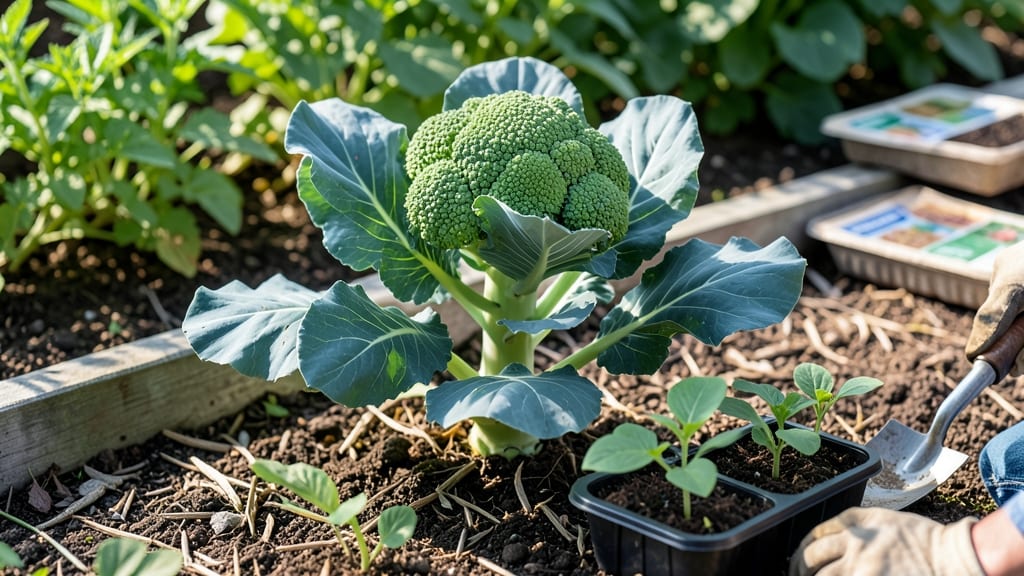
If you're dreaming of a bountiful broccoli harvest 🥦 in Washington State, timing is the secret ingredient—plant too early, and frost will nip your dreams in the bud; too late, and summer heat will turn your heads bitter.
The perfect window isn’t just about months, but microclimates: coastal Seattle’s milder springs contrast sharply with Eastern WA’s colder lowlands, where frost lingers longer.
Most gardeners in USDA zones 6b–8a swear by two planting waves: March–April for spring crops and August–September for fall harvests, but the real trick lies in adjusting for your specific last-frost date.
Whether you’re in the Puget Sound’s 165-day frost-free zone or the inland 200-day stretch, knowing when to pop those seeds in the ground means the difference between a garden full of tight, flavorful heads and one full of disappointment.
I’ve tested these strategies in my own Washington garden, and the results speak for themselves: fast-maturing varieties like ‘De Cicco’ thrive in spring, while heat-tolerant ‘Calabrese’ holds its own in fall.
But here’s the kicker—soil prep and succession planting are just as critical as the calendar. Skip these, and even the best timing won’t save your crop.
Ready to turn your backyard into a broccoli powerhouse? Let’s break down the exact steps—from soil prep to harvest—to ensure your plants grow strong, healthy, and ready to eat at the peak of flavor. Your future meals (and your dinner guests) will thank you.
Best planting times for broccoli in Washington’s climate zones
Washington State’s diverse climate—from the maritime Puget Sound to the drier Eastern WA—means broccoli planting times vary by region. Understanding your USDA zone (6b–8a) and last frost dates is key to avoiding bitter harvests or stunted growth.
For most of the state, spring and fall are ideal, but coastal areas can even plant in winter for cold-hardy varieties.
In Western WA (Zones 7–8), like the Puget Sound region, the last frost typically occurs around April 15, while Eastern WA (Zones 6b–7), such as the Columbia Basin, may see frost as late as May 1.
This delay affects when you should start seeds indoors or transplant seedlings. Fall planting works well until mid-September in most areas, with harvests stretching into November.
Here’s how to align your planting schedule with Washington’s microclimates for maximum success:
| Region | USDA Zone | Spring Planting Window | Fall Planting Window | Last Frost Date | Notes |
|---|---|---|---|---|---|
| Puget Sound (Seattle, Bellingham) | 7b–8a | March 15–April 15 | August 1–September 15 | April 1–15 | Cooler summers; can plant winter varieties like 'De Cicco'. |
| Eastern WA (Spokane, Wenatchee) | 6b–7a | April 1–May 1 | July 15–August 15 | April 15–May 1 | Hotter summers; use fast-maturing varieties (58–65 days). |
| Western Slopes (Mount Rainier) | 6a–7b | April 1–May 1 | July 15–September 1 | May 1–15 | Cooler nights; extend fall harvests into October. |
| Coastal (Olympia, Aberdeen) | 8a–8b | February 15–March 30 | July 1–August 30 | March 15–April 1 | Mild winters; can plant year-round with row covers. |
For spring planting, start seeds indoors 4–6 weeks before your last frost date or transplant 4–5 week old seedlings directly into the garden. In Zone 7–8a, this means late March to early April for most areas.
Use black plastic mulch to warm the soil faster in colder regions like Eastern WA.
In fall, aim to plant 8–10 weeks before the first frost. For Puget Sound, this is early August, while Eastern WA can extend planting until mid-August. Choose cold-tolerant varieties like 'Waltham 29' or 'Calabrese' for late-season success. Succession planting every 2–3 weeks ensures a continuous harvest.
Pro tip: Use a planting calendar tailored to your specific city (e.g., Seattle vs. Spokane) for precise timing.
Many WA extension offices provide free frost date maps—check your local WSU Extension for updates. Microclimates matter: A south-facing slope may warm up faster than a shady valley, so adjust accordingly.
If you’re in Zone 8a or warmer (e.g., Vancouver, WA), you can even try winter planting with row covers or cold frames. Varieties like 'Belstar' or 'Green Magic' handle light frosts well, giving you early spring harvests as early as March.
Just avoid planting too late in fall, or your broccoli may bolt prematurely in spring’s warmth.
For urban gardeners with limited space, container growing works well—just ensure pots are at least 12 inches deep and use a lightweight potting mix. Start seeds indoors in February for spring transplants or July for fall. Container-grown broccoli may need daily watering in summer
Best planting times for broccoli in Washington’s climate zones
Washington State’s diverse microclimates mean broccoli planting times vary dramatically—from Puget Sound’s mild coastal zones to the colder inland valleys. The key is aligning your schedule with your last frost date, which typically ranges from mid-April in lowlands to late May in high-elevation areas.
For most gardeners in USDA zones 6b–8a, the sweet spot is 4–6 weeks before your last frost, usually landing in March or early April.
But here’s the catch: fall planting often yields sweeter, more tender broccoli in Washington’s climate. Seedlings sown in late August or early September mature just before the first frost hits in October, avoiding the heat stress that turns heads bitter.
In Zone 7–8a (Eastern WA), where summers are hotter, fall planting is your best bet—Calabrese and Waltham 29 varieties hold up better in the heat.
🌱
For urban gardeners in cities like Seattle or Spokane, container planting extends flexibility—just ensure pots are at least 12 inches deep and use fast-draining soil. Start seeds indoors 6–8 weeks before transplanting to give them a head start.
In Zone 8a (lowland WA), where summers are longer, opt for heat-tolerant varieties like Packman or Belstar, which resist bolting.
Pro tip: Succession planting every 2–3 weeks after your initial sowing ensures a continuous harvest. In my own garden, I’ve found that fall-planted broccoli often outperforms spring crops—cooler nights in September and October prevent the bitterness that plagues summer-grown heads.
Just be sure to mulch heavily in late fall to protect roots from early frosts.
If you’re in a high-elevation area (like the Cascade foothills), push your spring planting to late April or early May—frost can linger well into May, and tender seedlings won’t survive if planted too early.
For these zones, cold-frame protection or row covers can shave weeks off your growing season.
🌿