
Plants
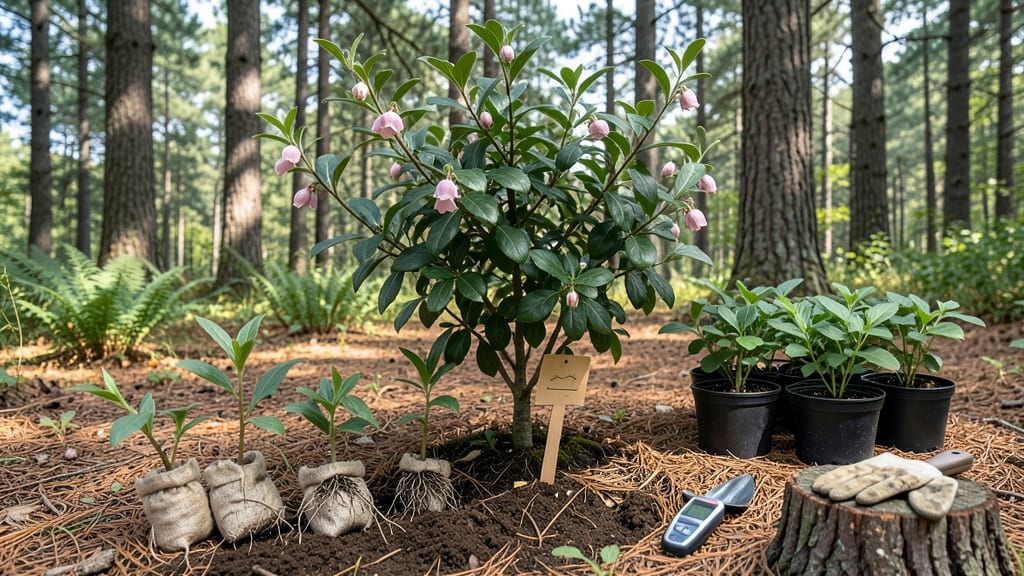
If you’ve ever dreamed of picking fresh 🫐 straight from your backyard in Washington State, timing your blueberry planting is the single most important factor—get it wrong, and you’ll be waiting years for that first harvest.
Washington’s diverse climate—from the dry hills of Eastern WA to the rainier Western coast—means the perfect planting window shifts depending on your hardiness zone (6b-8b). Plant too early, and frost will nip your young bushes; too late, and they won’t establish roots before winter.
The secret? Two ideal times: late winter to early spring (February–April) for bare-root plants or fall (September–October) for container-grown varieties.
Why does this matter? Because blueberries thrive when planted during dormancy, giving roots time to settle before active growth.
In Eastern WA (Zone 6b), you’ll want to beat the March 15 last-frost date, while Western WA (Zone 8b) gardeners have until April 15—but only if you prep your soil right.
I’ll break down the exact months for your zone, the best varieties for your region, and how to adjust soil pH to 4.5–5.5—the game-changer for sweet, juicy berries. Let’s get those bushes in the ground the right way.
Best planting months for blueberries in Washington by hardiness Zone
Washington State’s diverse climate—from the rainy Pacific Northwest to the drier eastern valleys—means blueberry planting timing varies by USDA Zone and microclimate. Most gardeners in Zones 6b–8b plant in either late winter/early spring or fall, but the best window depends on your location.
For example, Western WA (Zone 8b) can plant as late as April, while Eastern WA (Zone 6b) risks frost damage if planted after March 15. Understanding these differences ensures your blueberries establish strong roots before summer heat arrives.
In Western Washington, where milder winters and higher humidity prevail, fall planting (September–October) is ideal. The cooler soil and consistent moisture help roots grow before winter dormancy. Meanwhile, Eastern Washington’s harsher winters and earlier frosts make spring planting (March–April) the safer bet.
Both regions benefit from planting bare-root bushes in early spring, allowing roots to harden off before summer’s peak.
Washington’s soil pH is another critical factor. Blueberries thrive in acidic soil (pH 4.5–5.5), but native Western WA soils often test higher (6.0–7.0).
Amend your planting hole with peat moss or sulfur at least 2–3 months before planting to adjust pH. In Eastern WA, where soils may be naturally more acidic, test first—over-acidifying can harm roots.
Here’s a quick guide to Washington’s planting windows by zone and climate:
| Zone & Region | Best Planting Window | Soil Prep Tip | Key Consideration |
|---|---|---|---|
| Western WA (Zone 8b) | September–October (fall) or March–April (spring) | Add peat moss to lower pH | Avoid planting after April 15 (late frost risk) |
| Eastern WA (Zone 6b) | March–April (spring only) | Test pH; amend if >5.5 | Plant before buds swell (late frost danger) |
| Cascade Mountains (Zone 7a) | September–October (fall) or April (spring) | Mulch heavily for winter protection | Cooler nights extend fall planting |
For container-grown blueberries, fall planting works well in Western WA because the roots are already established, reducing transplant shock. In contrast, bare-root bushes planted in spring (March–April) give roots time to adapt before summer’s heat.
If you’re in Zone 7a (Cascade foothills), aim for September planting—the cooler nights and consistent rainfall create perfect conditions for root growth.
One common mistake in Washington is planting too late in spring. If you miss the March–April window, wait until fall (September)—but only if your soil isn’t frozen.
In Eastern WA, late spring plantings often suffer from summer drought stress, so prioritize deep watering if you plant after April 1. Always check your local last frost date (March 15 in Eastern WA, April 15 in Western WA) to avoid frost damage to new shoots.
Pro tip: If you’re planting in fall, add a 4–6 inch layer of mulch around the base to insulate roots during winter. Use pine needles or wood chips, which also help maintain acidic soil conditions.
In spring, remove old mulch and replace it with fresh organic matter to feed the soil as new growth begins.
Washington’s microclimates also affect planting. For example, Puget Sound areas (like Seattle) have milder winters, while Spokane or Wenatchee experience colder snaps. If you’re unsure about your zone, use the USDA Plant Hardiness Zone Map or ask your local extension office for tailored advice.
They can also recommend cold-hardy varieties like ‘Duke’ or ‘Legacy,’ which thrive in Washington’s Zone 6b–7a regions.
Finally, remember that blueberries need cross-pollination for fruit production. If you’re planting multiple bushes, choose compatible varieties (e.g., ‘Bluecrop’ + ‘Duke’) and space them 3–5 feet apart for optimal pollination.
In Western WA’s wetter climate, ensure your planting site has good drainage to prevent root rot—a common issue in heavy clay soils.
With the right timing and prep, your Washington blueberries can thrive year after year. Start with the ideal planting window for your zone, amend your soil, and protect your bushes from frost and drought. Soon, you’ll be harvesting juicy, homegrown blueberries in June–August! 🫐
Top blueberry varieties for Washington State and their planting timing
Washington State’s diverse climate means not all blueberry varieties thrive equally. Cold-hardy southern highbush types like 'Duke' and 'Legacy' dominate Eastern WA’s Zone 6b, while half-high varieties such as 'Bluecrop' and 'Jersey' excel in Western WA’s milder Zone 8b.
Choosing the right variety isn’t just about taste—it’s about survival. Late frosts in Eastern WA can devastate tender varieties, while Western WA’s wetter winters demand disease-resistant types.
For Eastern WA gardeners, 'Duke' and 'Legacy' are top picks—they handle Zone 6b’s harsh winters and bloom late enough to avoid frost damage. Plant these in late March to early April for bare-root plants or September for containers.
In Western WA (Zone 8b), 'Bluecrop' and 'Jersey' are workhorses, producing heavy yields with minimal fuss. Their ideal planting window is February–March or October–November.
Pollination is another critical factor. Most blueberries are self-pollinating, but planting two varieties ensures better yields. 'Duke' pairs well with 'Legacy', while 'Bluecrop' thrives alongside 'Earliblue'.
If you’re in Western WA’s rainier zones, opt for disease-resistant varieties like 'Chester' or 'O’Neal'—they handle humidity better than traditional types.
Here’s a quick guide to match your region, variety, and planting timing:
✅ Pros
- 🫐 'Duke' – Cold-hardy, late bloom, high yield
- 🫐 'Legacy' – Disease-resistant, sweet berries
- 📅 Plant March–April (bare-root) or September (containers)
❌ Cons
- ❄️ Risk of late frosts damaging flowers
- 🌡️ Needs acidic soil (pH 4.5–5.5) for best growth
✅ Pros
- 🫐 'Bluecrop' – Reliable producer, versatile
- 🫐 'Jersey' – Early season, disease-resistant
- 📅 Plant February–March or October–November
❌ Cons
- 🌧️ Humidity increases fungal diseases (e.g., botrytis)
- ⚠️ Needs well-draining soil to avoid root rot
If you’re in Western WA’s coastal regions, where winters are wetter, prioritize dwarf varieties like 'Top Hat' or 'Pink Lemonade' (yes, they’re edible!). These stay compact (2–3 feet tall) and produce earlier than standard bushes.
Plant them in late winter (February) to avoid soggy soil issues. For Eastern WA’s drier climate, 'Patriot' and 'Aurora' are excellent choices—they handle heat better and produce larger berries.
Pro tip: Adjust your planting timeline if you’re in a microclimate. For example, Pullman (Zone 6b) has colder springs than Spokane, so aim for late March instead of early April.
Always check your local frost dates—they’re the ultimate deciding factor. And remember, container-grown plants can be planted 6–8 weeks later than bare-root ones because their roots are already established.
Finally, don’t skip soil prep. Washington’s native soil is often alkaline, but blueberries crave acidity (pH 4.5–5.5). Mix in peat moss or pine needles before planting, and top-dress with sulfur-based fertilizer in early spring.
With the right variety and timing, you’ll be harvesting juicy, homegrown blueberries in just 2–3 years—not the 5+ years some varieties take.