
Plants
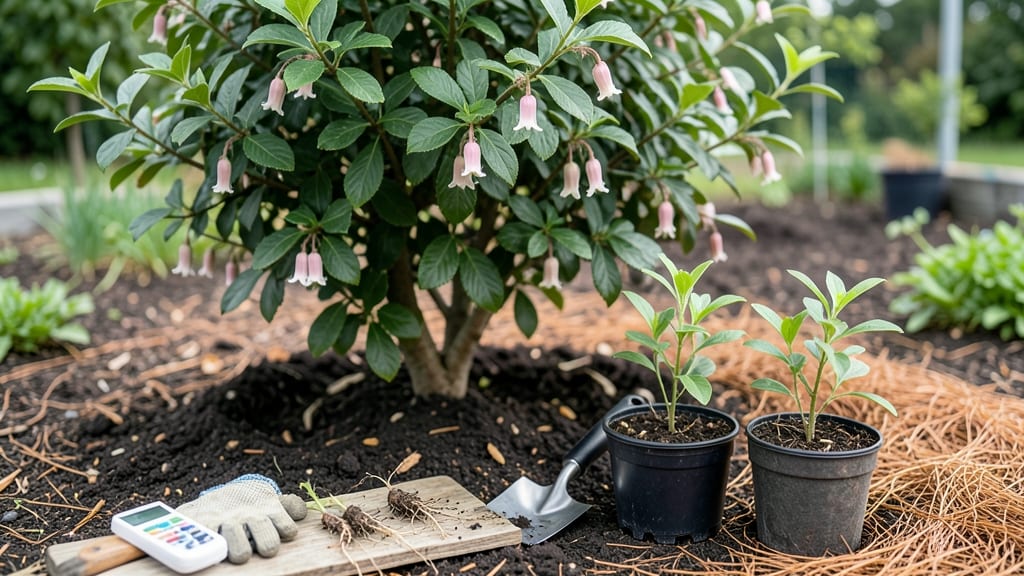
Timing is everything when you're planting blueberry bushes in Alabama—get it wrong, and your 🫐 harvest could vanish before it even ripens. Alabama's mild winters mean traditional planting advice doesn't always apply, forcing gardeners to think differently about chill hours and frost dates.
The good news? With the right approach, you can still grow thriving bushes that produce sweet berries from May through July.
Most Alabama gardeners should aim for late winter to early spring planting, ideally between February and March, after the last frost date. This window gives your blueberry bushes enough time to establish roots before summer heat arrives.
But here's the catch: not all varieties thrive equally in our 7a-8b climate zones, which is why matching your plants to Alabama's chill-hour requirements is the key to success.
If you're working with low-chill varieties like 'Climax' or 'Premier,' you might even get away with planting in early spring—just be prepared to protect young plants from unexpected late frosts.
For those in warmer southern regions, container planting offers flexibility to extend your growing season. The goal? A strong start that leads to juicy berries by harvest time.
I'll walk you through exactly how to time your planting, choose the right varieties, and give your blueberry bushes the best shot at flourishing in Alabama's unique climate.
Let's make sure your bushes get off to the right start—because when it comes to blueberries, patience in the planting pays off with big rewards.
Best planting months in Alabama by chill-hour requirements
Alabama’s USDA Zones 7a-8b create unique challenges for blueberry growers. Unlike northern states, our short winters mean most varieties need low chill hours (400-700 hrs) to set fruit.
Planting too early or late can starve your bushes of winter dormancy, while timing it right ensures robust growth and maximum berry production.
For North Alabama (Zones 7a-7b), where winters are slightly cooler, you have a wider planting window—both fall and spring work well. But in South Alabama (Zone 8a-8b), milder winters demand spring planting only to avoid heat stress during dormancy.
Let’s break down the best months for each scenario.
📅 Key Dates to Remember:
- Last frost date: Around March 15 (varies by region)
- First frost date: Around November 15
- Best soil temps: 40-70°F for root establishment
| Planting Window | Chill Hours Needed | Best Months | Region Fit | Pro Tip |
|---|---|---|---|---|
| Late Fall | 600-700 hrs | October-November | North AL (Zones 7a-7b) | Plant 6-8 weeks before first frost for root establishment. |
| Early Spring | 400-500 hrs | February-March | All AL (Zones 7a-8b) | Wait until soil temps reach 40°F to avoid root shock. |
| Late Spring (Backup) | 400-500 hrs | April-May | South AL (Zones 8a-8b) | Use container planting for flexibility in microclimates. |
If you’re in North Alabama, fall planting (October-November) gives roots time to establish before winter. But if you miss that window, February-March is your next best bet. For South Alabama, stick to spring (February-March) to avoid heat stress during dormancy.
One critical mistake I see Alabama gardeners make? Planting in summer or early fall when soil temps exceed 70°F. Roots struggle to establish, leading to poor winter survival. Always check soil temps with a soil thermometer or wait for cooler evenings.
For container growing, timing is even more flexible. You can plant year-round in pots, but aim for spring (March-April) to maximize the growing season. Just ensure your containers have drainage holes and use a lightweight potting mix.
Pro Alabama-specific tip: If you plant in fall, mulch heavily with pine straw or wood chips to insulate roots during mild winters. This mimics the natural forest floor where blueberries thrive.
Remember, chill hours matter most. If you’re unsure about your variety’s needs, check the tag—low-chill varieties (400-500 hrs) like 'Climax' or 'Premier' are your safest bets for Alabama’s climate.
Planting at the right time ensures your bushes get the dormancy they need to produce juicy, sweet berries next summer. 🫐
Best planting months in Alabama by chill-hour requirements
Alabama’s mild winters and hot summers mean blueberry bushes need precise timing to thrive. The key factor? Chill hours—the number of hours below 45°F your bushes need to produce fruit.
Most Alabama varieties require 400-700 chill hours, but planting too early or late can stunt growth or prevent fruiting entirely.
For low-chill varieties (400-500 hrs), like 'Climax' or 'Premier,' aim for late February to early March in North Alabama (Zone 7a).
Warmer South Alabama (Zone 8a-8b) can plant as late as April for these types. Mid-chill varieties (600-700 hrs), such as 'Tifblue,' still need February-March planting to ensure enough winter chill.
Fall planting is risky in Alabama due to early frosts. If you must plant in fall, do so 8-10 weeks before first frost (typically by late October in North Alabama). Container-grown bushes handle fall planting better—they establish roots faster in cooler soil.
| Variety Type | Chill Hours | Best Planting Months | North AL (Zone 7a) | South AL (Zone 8a-8b) |
|---|---|---|---|---|
| Low-Chill (400-500 hrs) | 400-500 | Late Feb - Early Mar | Feb 20 - Mar 10 | Mar 15 - Apr 15 |
| Mid-Chill (600-700 hrs) | 600-700 | Feb - Early Mar | Feb 1 - Mar 5 | Mar 1 - Mar 15 |
| Fall Planting (Risky) | Any | Late Oct - Early Nov | Oct 20 - Nov 5 | Not Recommended |
Pro tip: Check your local last frost date—North Alabama’s average is March 15, while South Alabama’s can be as late as April 1. Planting 4-6 weeks before ensures roots establish before heat stress hits.
For container bushes, you can push planting to May in South Alabama, but expect delayed fruiting.
Soil prep is just as critical as timing. Alabama’s native soil is often alkaline and nutrient-poor, so amend with peat moss or sulfur to lower pH to 4.5-5.5.
Test soil 2-3 weeks before planting—this gives microbes time to adjust. Evergreen bushes (like 'Climax') need extra winter mulch to protect roots from freeze-thaw cycles.
Remember: Spring planting is your safest bet. It aligns with natural growth cycles and gives bushes time to flower and fruit in their first season. If you’re in Zone 8b (southern Alabama), prioritize low-chill varieties—they’re your best bet for consistent harvests.